China to Cut Tariffs on US Farm Goods, but Soybeans Left Out
 |
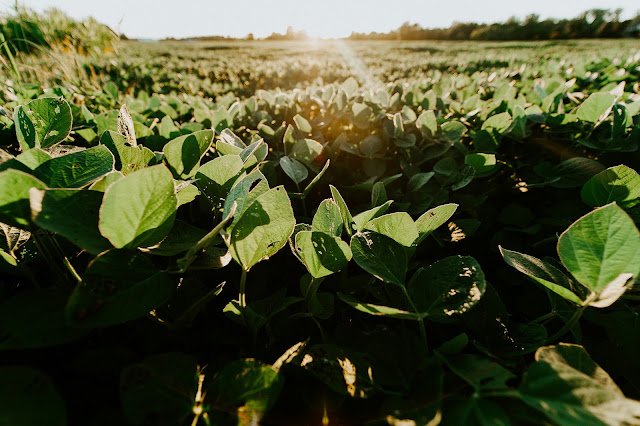
| Soybean crops growing in a US agricultural field. Photo credit: Unsplash. |
BEIJING, September 28, 2026: China is set to reduce tariffs on a wide range of agricultural products imported from the United States, but US soybeans have been left out of the latest tariff-reduction list, keeping an additional 10% tariff on the crop.
The move comes after last week’s meeting between US President Donald Trump and Chinese President Xi Jinping in Washington, where the two countries discussed trade relations and steps to reduce some tariffs.
China’s Commerce Ministry said the two sides had agreed on a framework covering about $30 billion worth of imports from each country. Under the arrangement, China will provide lower tariff treatment for selected US products, including agricultural goods, medical equipment, coal and personal-care products, subject to domestic legal procedures.
The Chinese list includes several major US agricultural products. Reuters reported that the products covered include corn, wheat, sorghum, meat, dairy products, vegetable oils and meals such as soyoil and soymeal. Soybeans, however, were not included.
The exclusion is significant because China is the world’s largest soybean importer and US soybeans are an important part of agricultural trade between the two countries. US soybeans will continue to face an additional 10% tariff, according to Reuters.
At the same time, Chinese state-owned agricultural companies Sinograin and COFCO have purchased more than 12 million metric tons of US soybeans, Reuters reported. That is nearly half of the 25 million metric tons that the White House has said China committed to purchase annually through 2028.
The tariff changes are part of a broader effort to stabilise US-China trade after years of tariff disputes. The two governments have also agreed to establish a trade council, with reciprocal tariff reductions on around $30 billion of goods among its initial areas of work.
For US farmers, the decision creates different conditions across agricultural commodities. Producers and exporters of products included in the Chinese list could benefit from lower duties, while soybean exporters continue to face the additional tariff.
China’s decision to keep soybeans outside the tariff-reduction list also highlights the importance of the crop in wider US-China trade negotiations. Reuters reported that Chinese state buyers are continuing to purchase US soybeans despite the tariff.
The two countries are expected to continue discussions through the newly established trade mechanism, while the tariff reductions will be implemented after the required domestic procedures are completed.