Trade War Alert: U.S. House Passes Historic Russia Sanctions Bill Targeting India with 100% Tariffs
 |
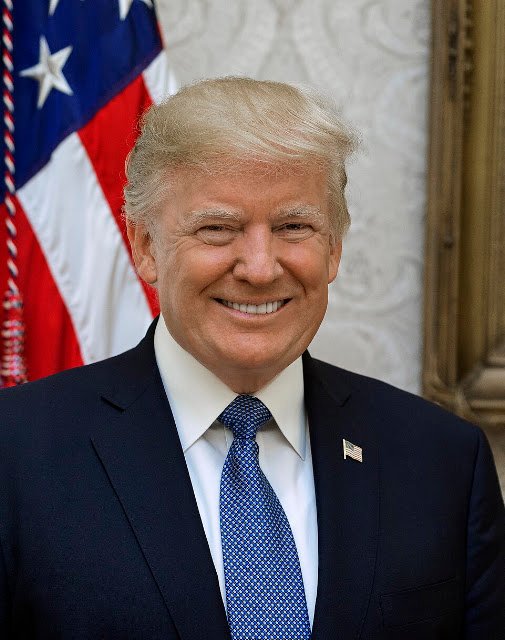
| Photo credit: Shealeah Craighead/ Wikimedia commans |
In a dramatic legislative move that could trigger a massive diplomatic showdown, the U.S. House of Representatives has officially passed a strict new Russia sanctions bill. The heavily discussed legislation explicitly aims to impose penalizing tariffs of up to 100% on countries—including major strategic partners like India—that continue to engage in bilateral trade with Moscow using local currencies to bypass Western restrictions.
The bipartisan bill, which passed with a significant majority, reflects Washington’s growing frustration over the expanding financial frameworks designed to de-dollarize global trade. Lawmakers supporting the bill argued that secondary sanctions are now absolutely necessary to block the continuous flow of capital into Russia’s economy. The bill directly targets non-Western payment systems and local currency clearing mechanisms that have allowed nations to sustain robust energy and defense trades with Moscow despite heavy G7 sanctions.
The passage of this bill creates a severe diplomatic dilemma for New Delhi, which has consistently defended its strategic autonomy and heavily increased its imports of discounted Russian crude oil over the past few years. Indian trade officials have previously stated that diversifying payment options is essential for national economic security. While the bill must still clear the U.S. Senate and receive presidential approval before becoming law, its successful house passage signals an aggressive shift in U.S. trade policy that could deeply strain the India-U.S. strategic partnership.
Quick Highlights: What You Need to Know
• The 100% Tariff Threat: The newly passed house bill gives Washington the authority to levy up to 100% import duties on nations continuing bilateral trade with heavily sanctioned Russian entities.
• Targeting De-Dollarization: The legislation explicitly penalizes the use of independent financial clearing networks and local currencies (like the Rupee-Ruble mechanism) intended to bypass the U.S. dollar.
• Bipartisan Pressure: The bill achieved an absolute majority in the U.S. House, showcasing a unified American legislative front against global trade networks supporting Moscow’s economy.
• Next Legal Steps: To become official U.S. law, the sanctions bill must now be debated and passed by the Senate before heading to the White House for final executive approval.