Middle East Nexus: Massive Swarms of Tactical Drones Infiltrate Fortified Air Defenses, Striking Major Military Installations Across Northern Border Wings
 |
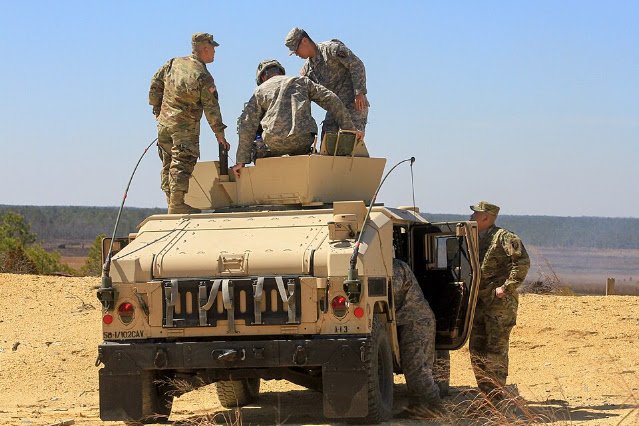
| A heavily armored military combat asset stationed in a desert theater representing regional defense perimeters. (Photo: Wikimedia Commons/Staff Sgt. Nicholas Young) |
The tactical parameters of the escalating Middle East conflict underwent a volatile expansion early Saturday morning as massive swarms of low-altitude kamikaze drones successfully penetrated multi-layered Western-supplied air defense umbrellas. The coordinated, high-impact aerial offensive explicitly targeted critical defense infrastructure, communication intelligence wings, and vital energy hubs spanning the northern border regions and adjacent logistics corridors, pushing regional combat readiness to an unprecedented red alert threshold.
The structural severity of the ongoing crisis was laid bare following a newly declassified oversight report published by the Department of Defense Inspector General. The official federal assessment confirmed that military installations housing U.S. personnel and strategic assets—specifically across primary hubs in Kuwait, Bahrain, and Prince Sultan Air Base in Saudi Arabia—have sustained extensive, long-term damage from persistent long-range drone and precision ballistic missile strikes. High-level defense imagery confirmed the destruction of multiple logistics buildings and tactical aircraft, including a sophisticated E-3 Sentry airborne early warning and control platform valued at $270 million, which was severely disabled during an unacknowledged strike.
 |
| A high-tech surveillance command room monitoring multiple digital intelligence streams. (Photo: Unsplash) |
Simultaneously, Saudi Arabian civil defense commands and border security forces mobilized extensive counter-measures along the southwestern maritime sectors. The deployment follows a tense week where Iran-aligned Houthi factions seized control of strategic island outposts overlooking the vital Bab el-Mandeb shipping strait, threatening to choke international oil transits rerouted from the highly disrupted Strait of Hormuz. Local military architects emphasize that the rapid proliferation of decentralized, low-cost drone launch platforms hidden across border territories presents a massive challenge to conventional Patriot missile arrays. As regional coalition forces scramble to secure underground data command rooms and reinforce frontline perimeters, international security analysts warn that the shifting targeting doctrine of preemptive strikes could permanently unravel the fragile regional balance, triggering an uncontainable multi-front war.
Bulletins: Agency Key Takeaways
• Extensive Military Damage: A declassified Pentagon watchdog report officially revealed that U.S. and coalition military bases in Kuwait, Bahrain, and Saudi Arabia have suffered severe, long-term damage from relentless drone strikes.
• High-Value Assets Hit: The precision aerial attacks successfully disabled a $270-million E-3 Sentry airborne surveillance aircraft stationed at Prince Sultan Air Base.
• Choking Global Shipping Lanes: Iran-backed Houthi fighters have aggressively captured vital land sectors overlooking the Bab el-Mandeb strait, placing heavy pressure on international oil pipelines and transit routes.
• Defensive Strategy Overhaul: The persistent low-cost drone swarms bypassing expensive missile shields are forcing regional commands to rapidly shift multi-billion dollar tech setups and data storage hubs deep underground.