Houthi Blitz Leaves Saudi Arabia Exposed, Iran Emboldened Amid Red Sea Escalation
 |
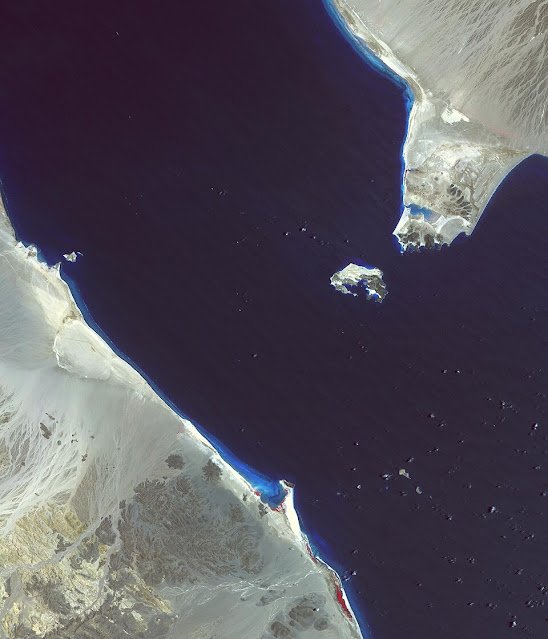
| Photo credit: NASA/METI/AIST/Japan Space Systems, and U.S./Japan ASTER Science Team |
The Middle East has witnessed a massive geopolitical shift as Iran-aligned Houthi rebels executed a swift and aggressive military offensive along Yemen’s Red Sea coast. The Houthi forces successfully captured crucial ground overlooking the strategic Bab el-Mandeb Strait, including the key port city of Mocha and the vital Perim Island. This military breakthrough has dealt Saudi Arabia its gravest setback in Yemen in years, exposing severe intelligence failures and the complete collapse of Saudi-backed local forces.
Military analysts describe this dynamic as a double blow to Riyadh. With Iran already tightly disrupting commercial shipping through the Strait of Hormuz, the Houthi control over the Bab el-Mandeb passage means Tehran and its proxies now effectively influence two of the world’s most critical maritime oil chokepoints. The blitz has left Saudi Arabia highly vulnerable, scrambling to defend its vital energy infrastructure and domestic cities from escalating daily drone and ballistic missile attacks.
Further complicating the situation for Crown Prince Mohammed bin Salman is the apparent reluctance of Western powers, particularly the United States, to offer direct military intervention or air defense support on Yemeni soil. This lack of immediate U.S. backing has severely weakened Riyadh’s leverage and raised deep doubts over old security guarantees. Consequently, an emboldened Iran has seen its regional influence massively restored, turning this geopolitical conflict into a major strategic victory for Tehran.
Quick Highlights: What You Need to Know
• The Double Chokepoint Crisis: By controlling the Bab el-Mandeb Strait along with the Strait of Hormuz, Iran and its proxies now influence the two most critical oil shipping routes in the world.
• Riyadh’s Security Shield Broken: The unexpected Houthi advance caught the Saudi military off guard, resulting in the retreat of local forces and the loss of advanced tactical positions.
• The Washington Dilemma: The United States has shown reluctance to launch direct military operations inside Yemen, leaving Saudi Arabia to defend its borders with limited Western support.
• Tehran’s Strategic Victory: This massive military shift has significantly boosted Iran’s geopolitical leverage, turning the Yemen conflict into a major power play in the Middle East.