Trump Rejects Iran Proposal to Reopen Strait of Hormuz in Seven Days
 |
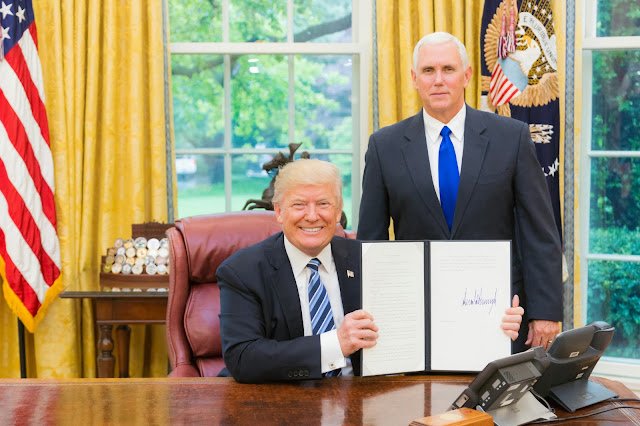
| File photo of U.S. President Donald Trump during an official event./ Photo credit Unsplash. |
U.S. President Donald Trump has rejected an Iranian proposal that Tehran said could reopen the strategically important Strait of Hormuz within seven days and help bring an end to fighting in the wider Middle East conflict.
Iran presented the proposal during diplomatic discussions surrounding the United Nations General Assembly in New York. Iranian Foreign Minister Abbas Araghchi said the plan had been communicated to the United States through Qatari mediators. Under the proposal, a seven-day countdown would begin once the necessary conditions were accepted, with the Strait of Hormuz reopening at the end of that period.
Trump, however, said on Saturday that he had rejected the Iranian proposal. Speaking to reporters outside the White House, he said Iran wanted an agreement to reopen the waterway immediately and indicated that he did not consider the proposed terms acceptable.
What was Iran proposing?
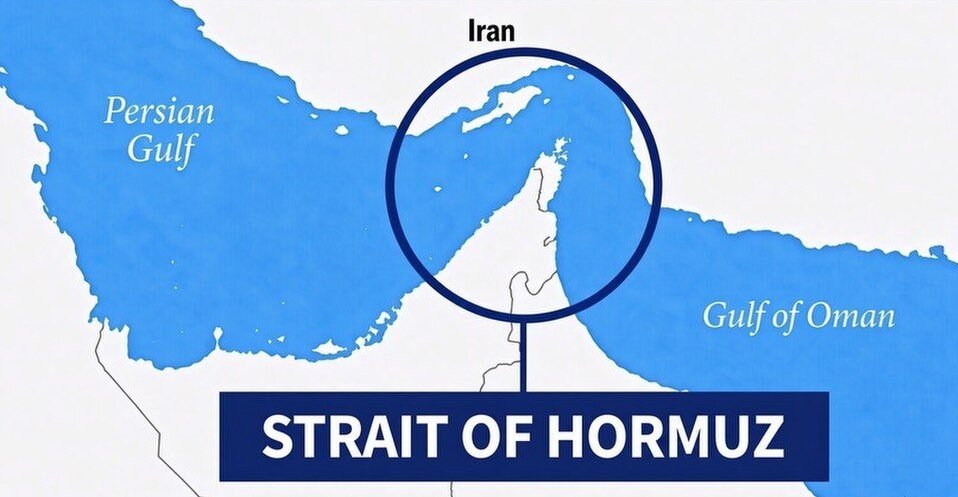 |
| A map depicting the Strait of Hormuz as a U.S. territory, shared byDonald J. Trump / Public Domain, via Wikimedia Commons |
According to Iranian officials, the plan linked the reopening of the Strait of Hormuz to several conditions. Iran wanted the United States to lift its naval blockade of Iranian ports, ease or waive restrictions on Iranian oil exports and observe a ceasefire covering the wider region, including Lebanon.
Araghchi said that, if Washington accepted the proposal, the waterway could be reopened after seven days and broader negotiations could then begin on mutually agreed issues, potentially including Iran’s nuclear programme.
The Strait of Hormuz is one of the world’s most important energy shipping routes. The conflict and restrictions around the waterway have disrupted oil flows and increased concerns about the impact on global energy markets.
Trump rejects the proposal
Trump’s rejection leaves the Iranian initiative without an agreement from Washington. Reuters reported that the White House had previously described indirect discussions through mediators as “positive and constructive,” although the Wall Street Journal subsequently reported that Trump was skeptical about whether Iran would meet U.S. demands. Reuters said it could not immediately independently confirm the Journal report about Trump’s private expectations.
Iran has continued to seek diplomatic engagement while the conflict has affected shipping, energy supplies and regional security. The latest disagreement over the Hormuz proposal adds another obstacle to efforts to establish a broader ceasefire and reopen the waterway.
For now, the seven-day reopening plan remains a proposal from Iran and has not been accepted by the United States.