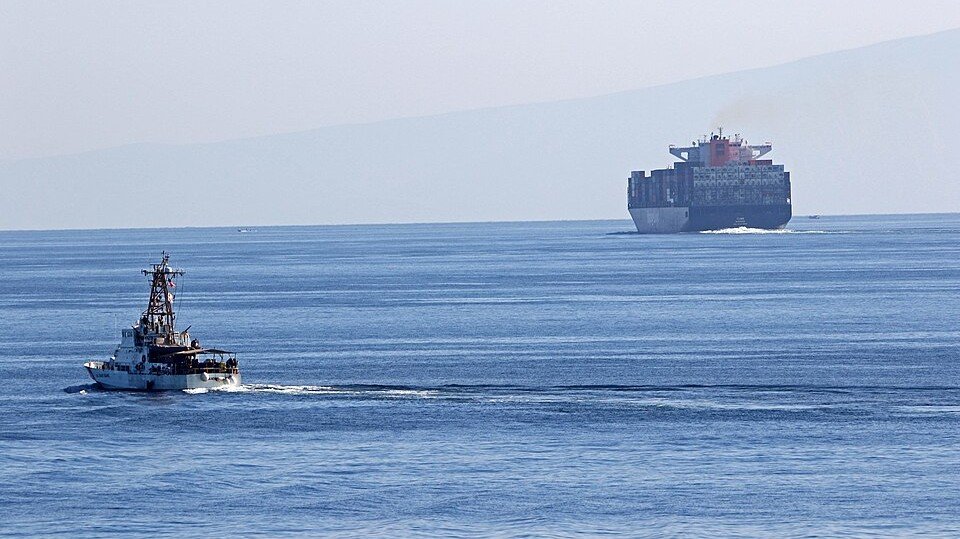

Iran has renewed its offer to reopen the strategically important Strait of Hormuz, urging the United States to accept Tehran’s conditions for restoring maritime traffic and restarting diplomatic negotiations.
Iranian Foreign Minister Abbas Araqchi said on Sunday that the proposal remained on the table despite continuing disagreements between Tehran and Washington over how to end their eight-month conflict.
Under the proposal, the waterway could reopen within six days if the United States accepted Iran’s terms, with negotiations between the two countries resuming on the seventh day.
The offer comes as disruptions to shipping through the Strait of Hormuz continue to affect one of the world’s most important routes for oil and liquefied natural gas supplies.
Iran Sets Conditions for Reopening the Waterway
Araqchi said Iran had already presented its proposal to Washington and was reviewing the American response.
Tehran’s conditions include lifting the US blockade on Iranian ports, removing sanctions on Iranian oil exports and ending hostilities across regional fronts.
Iran has argued that restoring maritime security and reopening the strait should be the immediate priority in negotiations. It wants broader discussions, including those concerning its nuclear programme, to follow.
Washington, however, has pressed Tehran to address concerns about its uranium enrichment capabilities as part of any agreement to end the conflict.
The differences over the order and scope of negotiations remain a major obstacle to reaching a deal.
Diplomatic Efforts Remain Stalled
Iran submitted its proposal in mid-September after an interim ceasefire collapsed and fighting resumed.
Messages between the two sides have been exchanged through intermediaries, including Qatar and other regional partners. However, the negotiations have not produced an agreement acceptable to both governments.
Iran’s security leadership has previously criticised the US response, saying several of the conditions remained unresolved or insufficiently addressed.
Araqchi’s latest remarks indicate that Tehran is still prepared to pursue the proposal, although reopening the waterway depends on Washington agreeing to the terms.
There has been no confirmed announcement that the United States has accepted the latest offer.
Why the Strait of Hormuz Matters
The Strait of Hormuz connects the Persian Gulf with the Gulf of Oman and the wider Arabian Sea. It is a critical shipping corridor for oil and liquefied natural gas exports from major energy-producing countries in the Gulf.
Before the conflict, roughly one-fifth of global oil and liquefied natural gas trade passed through the strait, making its security important for energy markets worldwide.
Any prolonged disruption can increase shipping costs, complicate energy deliveries and put upward pressure on fuel prices. The effects can extend well beyond the Middle East, reaching import-dependent economies in Asia and other regions.
For countries such as India, which relies heavily on imported crude oil, the security of Gulf shipping routes is particularly significant.
Nuclear Dispute Remains a Key Obstacle
The disagreement extends beyond maritime traffic. Washington wants Iran to make substantial reductions in its uranium enrichment capacity, while Tehran has argued that the initial negotiations should focus on reopening the strait and restoring regional security.
The competing priorities have complicated efforts to reach a wider settlement.
Although Iran’s latest proposal offers a timetable for reopening the waterway, it does not guarantee that an agreement will be reached. The next steps depend on whether the United States considers Tehran’s conditions acceptable and whether both sides can resolve their differences over security, sanctions and nuclear issues.
For now, the proposal remains an option for diplomacy, but the future of shipping through the Strait of Hormuz remains tied to the wider conflict.