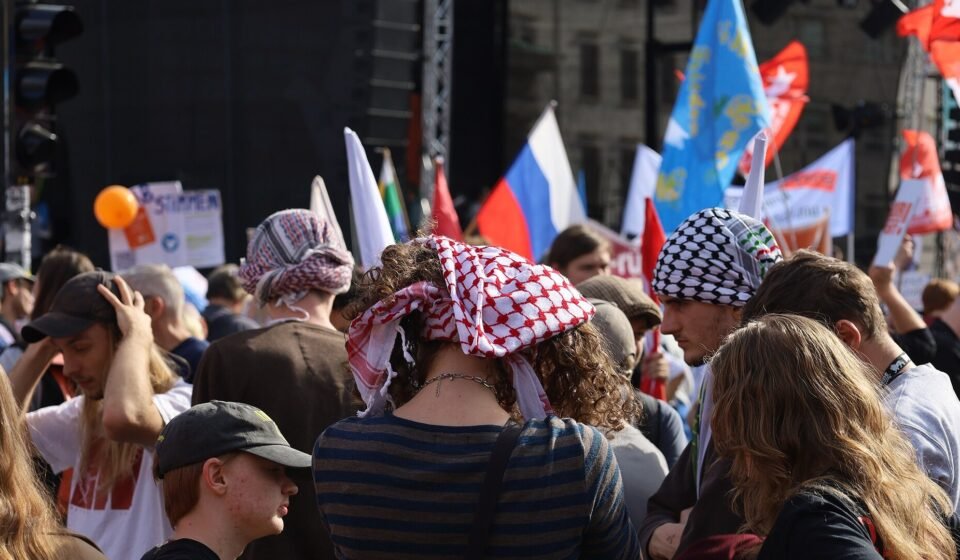

Germany is bracing for a major wave of youth-led demonstrations on Halloween, with more than 160,000 people expected to participate in rallies across 34 cities. The protests reflect growing frustration among young people over the cost of living, underfunded education, public spending priorities and plans for compulsory military service.
Organised under the banner of the youth initiative Gen Z regelt, the demonstrations form part of a wider wave of youth activism spreading across Europe. Participants argue that political decisions affecting their education, financial security and future careers are being made without giving younger generations enough influence.
The protests are scheduled to take place in major German cities, including Berlin, Hamburg, Munich, Frankfurt and Cologne, alongside rallies in other urban centres. The number of people who have registered or indicated plans to attend represents expected participation, rather than a verified final turnout.
Why Young Germans Are Protesting
The demonstrations bring together several concerns that have increasingly shaped political debate among young people.
Education is one of the central issues. Organisers want greater investment in schools, universities and public services. They argue that inadequate facilities, financial pressure on educational institutions and reductions in public spending could limit opportunities for students.
The rising cost of everyday life is another major concern. Housing, food, transport and other expenses can make financial independence difficult for younger people, particularly students and those beginning their careers.
Protesters also oppose compulsory military service. Germany has been debating how to strengthen its armed forces and attract more recruits amid a deteriorating European security environment. For some young people, the prospect of being required to undertake military service raises questions about personal freedom, education and future employment.
Climate policy, healthcare, social security and the distribution of public money are also part of the movement’s wider demands. Together, these issues reflect a broader question: whether government priorities adequately address the needs of younger generations.
Authorities Prepare for Large Crowds
The scale of the planned demonstrations has prompted security preparations, particularly in Berlin, where police have announced an additional deployment of approximately 1,500 officers.
Authorities are monitoring the possibility that extremist groups could attempt to exploit the gatherings. However, Berlin police said they had no specific evidence of coordinated calls for violence ahead of the protest day. Officials have stressed the importance of protecting peaceful demonstrations while responding to any criminal activity.
The timing presents an additional challenge because the demonstrations coincide with Halloween celebrations, when city centres may already be busy with parties and public events.
Some businesses have reportedly taken precautionary measures, including closing early or protecting shopfronts, amid concerns about possible disorder. These steps reflect preparation for potential disruption and do not establish that violence will occur.
The organisers have publicly rejected violence and urged participants to demonstrate peacefully. The distinction matters because the movement’s stated goals concern education, affordability and political representation, while authorities are separately responsible for addressing any unlawful conduct.
Questions Over the Movement’s Organisation
Despite the scale of interest, the initiative has faced criticism over its organisation and political independence.
Germany’s national student umbrella organisation has distanced itself from the demonstrations, citing concerns about the initiative’s organisational structure and the possibility that young people’s legitimate concerns could be used for political purposes. It has nevertheless acknowledged the importance of issues such as education and students’ future prospects.
The organisation plans a separate demonstration in Berlin in November, indicating that youth activism is not limited to a single campaign or event.
The debate also highlights the difficulty of building a broad youth movement around issues that do not always have identical solutions. Students concerned about education spending may have different priorities from young workers struggling with housing costs or people worried about military obligations.
Whether the movement can translate its large online following into sustained political influence will depend partly on its ability to maintain a clear agenda and engage constructively with policymakers.
A Wider European Wave of Youth Discontent
Germany’s planned rallies follow demonstrations and unrest in other European countries, where younger people have voiced anger over economic pressures, public services and political decision-making.
The experiences of other countries have heightened concern among German officials about the possibility of demonstrations escalating. However, the existence of unrest elsewhere does not mean German rallies will follow the same course.
The protests nevertheless point to a wider challenge for European governments. Younger citizens are confronting uncertainty about living costs, employment prospects, public services and the long-term consequences of government decisions.
These concerns can become politically significant when young people believe that traditional institutions are not responding effectively to their needs.
What the Protests Could Mean for Germany
Analysis: The immediate impact of the demonstrations will depend on turnout, the conduct of participants and the response from government officials. Large, peaceful rallies could increase pressure on political leaders to explain their priorities on education, social spending and military recruitment.
If the movement maintains momentum, its demands could become more prominent in debates over government budgets and Germany’s future security policy. Education spending and living costs are particularly important because they affect not only students but also families, employers and the wider economy.
The demonstrations could also expose tensions between competing policy objectives. Germany faces pressure to strengthen defence capabilities while continuing to fund public services and respond to domestic economic challenges. These priorities are not necessarily mutually exclusive, but decisions about taxation, spending and recruitment can generate disagreement over who bears the costs.
There is also a risk that isolated incidents of violence, if they occur, could shift public attention away from the movement’s policy demands. Peaceful organisation and clear communication will therefore be important if demonstrators want to build broader public support.
The protests alone do not guarantee policy changes. Their longer-term significance will depend on whether the government responds with concrete proposals and whether organisers can sustain participation beyond a single day.
The Next Test Is Political Influence
The Halloween demonstrations offer Germany’s younger generation an opportunity to make its concerns more visible. But the larger challenge will be converting public mobilisation into measurable changes in policy.
Government leaders will face pressure to address complaints about education, affordability and military service without neglecting the country’s broader economic and security responsibilities.
For now, the planned rallies represent a significant test of how Germany handles youth discontent at a time of financial pressure and changing security priorities. The scale of participation and the response from political leaders will help determine whether the movement becomes a lasting force in national debate.