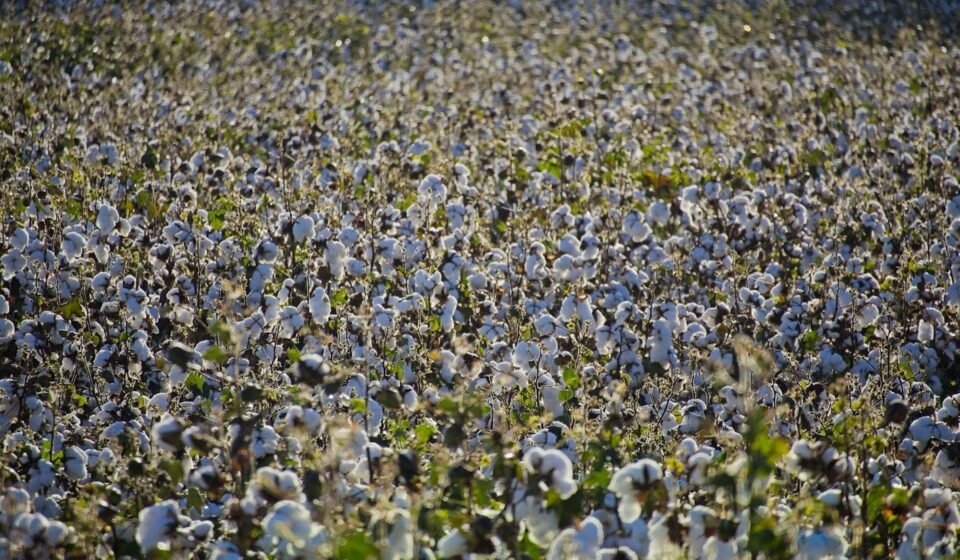

India has extended its duty-free cotton import window by another two months, giving textile manufacturers additional time to source raw materials without paying the customs duty that was scheduled to return at the end of October. The exemption will now remain in place until December 31, 2026, under a government notification issued on October 30.
The decision aims to improve cotton availability in the domestic market, ease pressure on textile manufacturers and help moderate prices. It comes at a time when cotton prices have remained firm despite the arrival of the new harvesting season, raising concerns about raw material costs across India’s textile and apparel industry.
The extension amends an earlier customs notification issued on May 30, 2026. Under the original arrangement, the exemption from customs duty applied to cotton imports from June 1 through October 31. The latest amendment replaces the October deadline with December 31, extending the relief by two months.
Why the Government Extended the Exemption
Cotton is one of the most important raw materials for India’s textile industry. It is used to manufacture yarn, fabrics, clothing, home textiles and a wide range of other products.
When cotton becomes expensive or difficult to obtain, textile mills face higher production costs. Those additional expenses can affect businesses throughout the supply chain, from yarn producers and garment manufacturers to exporters and retailers.
The government had originally removed the import duty to improve supplies during the cotton off-season, when domestic availability can be relatively limited. The latest extension indicates that the authorities want to maintain access to imported cotton for longer while the industry manages its raw material requirements.
The exemption had covered an 11% import duty. Keeping that duty suspended until the end of December could make imported cotton more competitive with domestic supplies, depending on international prices, freight charges, currency movements and other import-related expenses.
Why Cotton Prices Have Remained Firm
Domestic cotton prices typically face additional supply pressure when new-season arrivals begin in October. This year, however, prices have remained firm amid concerns about lower production following uneven monsoon rainfall.
The concern is significant because the textile industry requires a steady supply of cotton to maintain production schedules. If domestic output falls short of expectations, manufacturers may have to compete more aggressively for available supplies or increase their reliance on imports.
Industry estimates cited in recent market reporting suggest that India’s cotton output in the 2026–27 season could fall below 29 million bales, while demand may exceed 34 million bales. These are estimates rather than final production figures, and the actual supply-demand balance will depend on harvesting results and market conditions.
The gap between projected production and consumption helps explain why textile manufacturers have sought continued relief from import duties. Additional imports could give mills another source of supply if domestic availability proves insufficient.
However, removing the duty alone cannot guarantee a substantial fall in prices. International cotton prices, shipping expenses, the rupee’s value against the US dollar and the availability of exportable supplies will also influence the final cost of imported cotton.
Textile Mills and Small Businesses Could Benefit
The extension is expected to provide additional support to spinning mills, fabric producers and garment manufacturers that depend on cotton as a primary input.
For smaller manufacturers, raw material costs can be particularly important because they may have less financial flexibility than larger companies. A period of duty-free imports could help them compare domestic and international supplies and manage procurement expenses.
If imported cotton becomes more economical, some mills could reduce their overall raw material costs. That may help them maintain production, manage cash flow and remain competitive in domestic and international markets.
The wider textile industry could also benefit if manufacturers gain more confidence in the availability of raw materials. Better supply planning may help businesses avoid sudden procurement pressures and disruptions to production schedules.
India’s textile sector competes with manufacturing centres such as Bangladesh and Vietnam in several international markets. Lower input costs could help Indian producers remain competitive, although export performance also depends on labour costs, productivity, logistics, trade conditions and overseas demand.
Could the Move Reduce Clothing Prices?
Consumers may eventually benefit if lower cotton procurement costs translate into lower prices for yarn, fabrics and finished garments. However, that outcome is not automatic.
Cotton is only one component of the final price of clothing. Processing, dyeing, stitching, transportation, packaging, retail expenses and taxes also contribute to the cost paid by consumers.
Manufacturers may initially use any savings to absorb existing cost pressures, improve their margins or maintain production rather than immediately reducing retail prices.
Analysis: The most immediate potential benefit is likely to be improved flexibility for textile manufacturers in sourcing cotton. Any reduction in the prices of clothing and other cotton-based products would depend on how much costs decline and whether those savings are passed along the supply chain.
What About India’s Cotton Farmers?
The extension presents a potential challenge for domestic cotton growers.
Duty-free imports can increase competition for locally produced cotton, particularly if imported supplies are available at lower landed prices. This may put pressure on domestic market prices and influence the returns farmers receive for their produce.
That concern is important because farmers’ earnings depend on several factors, including crop yields, cultivation expenses, market prices and the quality of the cotton harvested.
At the same time, textile manufacturers argue that affordable and reliable supplies are necessary to sustain production, employment and export competitiveness. The government therefore faces the task of balancing the needs of cotton growers with those of the textile industry.
The impact on farmers will depend on actual import volumes, domestic arrivals, market demand and the prices offered by buyers during the extended exemption period. A lower import duty does not, by itself, establish how much domestic cotton prices will change.
Will Cotton Imports Increase?
The extension creates an additional two-month window for imports from overseas suppliers, including the United States, Brazil and Australia. These countries could provide additional supplies if international prices and shipping costs make shipments commercially attractive.
Nevertheless, duty-free access does not guarantee a surge in imports. Importers must still consider global cotton prices, transport costs, delivery schedules, exchange rates and the availability of suitable grades of cotton.
The decision will also have to be assessed against actual domestic arrivals as the harvesting season progresses. If local supplies improve substantially, the need for imports could differ from current expectations.
What Happens Next?
The extended exemption remains in force until December 31, 2026. During this period, the balance between domestic cotton arrivals, imported supplies and textile industry demand will be important in determining how the policy affects the market.
Manufacturers will be watching whether the additional import window helps reduce procurement costs and improve supply stability. Cotton growers, meanwhile, will be concerned about the effect of imported supplies on domestic prices.
The key takeaway: India’s two-month extension of duty-free cotton imports is intended to ease pressure on textile manufacturers and improve raw material availability. It could help moderate costs, but the eventual benefits for businesses and consumers—and the consequences for farmers—will depend on how cotton supplies and prices develop over the coming weeks.