UN Court Set to Deliver Landmark Rohingya Genocide Judgment Against Myanmar: What the World Is Watching

The United Nations’ highest court is preparing to deliver a landmark judgment on allegations that Myanmar committed genocide against its Rohingya Muslim minority during a brutal military crackdown in 2017. The decision by the International Court of Justice (ICJ), based in The Hague, is scheduled for Thursday, November 19, and could become one of the most consequential international legal rulings involving state responsibility for genocide in recent years.
The judgment has not yet been announced as of the time of writing. The case was brought by The Gambia, which alleges that Myanmar violated the 1948 Genocide Convention through its military campaign in Rakhine State. Myanmar has rejected the accusation, maintaining that its security forces were conducting a counterterrorism operation.
The outcome is being closely watched by Rohingya refugees, international legal experts and governments because it could shape the future interpretation of genocide law and influence other cases before international courts.
Key Highlights
• The ICJ is scheduled to deliver its judgment on November 19 in The Gambia’s case against Myanmar.
• The case concerns the 2017 military crackdown that forced more than 700,000 Rohingya to flee to Bangladesh.
• The Gambia alleges violations of the 1948 Genocide Convention; Myanmar denies committing genocide.
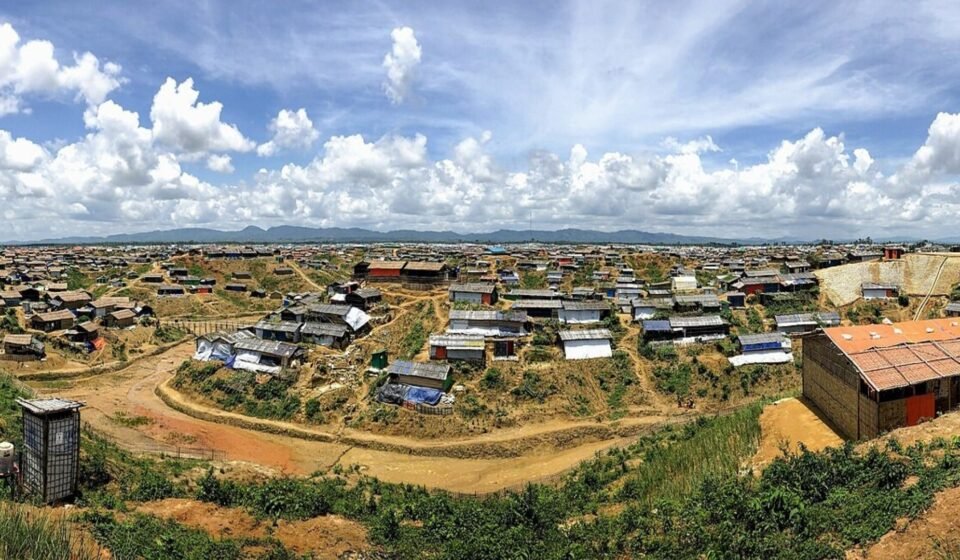
• Around 1.2 million Rohingya refugees remain in Bangladesh, with many living in camps around Cox’s Bazar.
• The ruling could establish an important legal precedent, although enforcing any orders against Myanmar may prove difficult.
Why the International Court of Justice Is Ruling on Myanmar
The case began in November 2019, when The Gambia filed proceedings against Myanmar at the ICJ. The West African country acted with the backing of the Organisation of Islamic Cooperation, which represents 57 member states.
The Gambia argues that Myanmar’s treatment of the Rohingya violated the Convention on the Prevention and Punishment of the Crime of Genocide, adopted in 1948. The treaty requires countries to prevent and punish genocide.
The legal proceedings focus on the conduct of Myanmar’s state authorities and whether the country breached its international obligations. The court is not being asked to conduct criminal trials of individual soldiers or military commanders. Its responsibility is to determine whether Myanmar, as a state, violated the convention.
In January 2020, the ICJ ordered Myanmar to take provisional measures to protect the Rohingya from acts covered by the Genocide Convention and to preserve evidence connected with the allegations. Those measures were issued while the wider case continued.
The court later rejected Myanmar’s preliminary objections to the case, allowing the proceedings to move forward. Public hearings on the merits took place in January 2026, with The Gambia and Myanmar presenting their arguments.
What Happened During the 2017 Rohingya Crackdown?
The case centres on the Myanmar military’s campaign in northern Rakhine State in August 2017. The military described its operations as a response to attacks by the Arakan Rohingya Salvation Army on security posts.
The campaign triggered a mass exodus. More than 700,000 Rohingya crossed the border into Bangladesh, joining earlier refugee populations. Survivors described killings, sexual violence, village burnings and the destruction of homes.
United Nations investigators documented serious abuses and said the military campaign included acts that could amount to genocide. The allegations became the subject of international concern and calls for accountability.
The Rohingya have faced longstanding restrictions in Myanmar, including severe limits on citizenship, movement and access to basic services. Many have been treated as foreigners despite generations of residence in the country. The denial of citizenship has contributed to their statelessness and vulnerability.
Myanmar has consistently disputed the genocide allegations. Its authorities have argued that the military operation was aimed at armed militants and was a legitimate security response. The central legal question for the judges is whether the evidence establishes the specific intention to destroy the Rohingya group, in whole or in part.
What Must Judges Establish to Find Genocide?
Under the 1948 convention, genocide involves certain prohibited acts committed with the specific intent to destroy, wholly or partly, a national, ethnic, racial or religious group.
That requirement makes genocide cases particularly difficult to prove. Evidence of mass killings, forced displacement or other grave abuses does not automatically establish genocide under international law. Judges must also assess whether the acts were committed with the required destructive intent.
The court can examine official statements, military conduct, patterns of violence and other evidence when assessing intent. The Gambia argues that the scale and nature of the campaign demonstrate genocidal intent. Myanmar rejects that interpretation.
The judges may find that Myanmar committed genocide, reject the allegation, or determine that the country breached certain obligations under the Genocide Convention without concluding that genocide was committed. The precise legal findings and reasoning will be important beyond the immediate outcome.
What the Judgment Could Mean for Rohingya Refugees
For the Rohingya community, the decision is about more than a legal dispute between two countries. It is also about recognition, accountability and the possibility of a safer future.
Approximately 1.2 million Rohingya refugees remain in Bangladesh, many of them in overcrowded settlements in Cox’s Bazar. Repeated efforts to organise repatriation have not produced a safe and sustainable return on a large scale.
A finding of genocide could strengthen international pressure on Myanmar and provide formal legal recognition of the gravity of the crimes alleged by The Gambia. The country could also face demands for reparations and measures to address the consequences of the violence.
However, a court judgment alone cannot rebuild destroyed villages, restore citizenship or guarantee that refugees can return safely. Conditions in Rakhine State remain unstable, and Myanmar has been affected by conflict and political upheaval since the military coup of 2021.
The Gambia has sought measures that include reparations and steps to support the Rohingya’s safe return. Whether such demands can be implemented will depend heavily on political and security conditions inside Myanmar.
Why the Ruling Matters Beyond Myanmar
The judgment could influence how international courts assess state responsibility under the Genocide Convention. It may provide guidance on the evidence needed to establish genocidal intent and how judges evaluate patterns of violence.
The decision is also being watched because the ICJ is handling other cases involving allegations of genocide, including South Africa’s case against Israel over the war in Gaza. The legal and factual circumstances of those proceedings are different, and the Myanmar judgment will not automatically determine their outcomes. However, its interpretation of the convention could become an important reference for future arguments.
The ICJ is distinct from the International Criminal Court. The ICJ settles legal disputes between states and determines their responsibilities under international law. The ICC, by contrast, prosecutes individuals accused of crimes such as genocide, war crimes and crimes against humanity.
Strategic & Future Implications
The immediate importance of Thursday’s decision will lie in the court’s legal findings, not simply in whether one side claims victory. A carefully reasoned judgment could clarify how international law evaluates allegations of genocide when a state argues that its actions were part of a counterterrorism campaign. It could also strengthen expectations that governments must prevent genocide and preserve evidence when serious risks emerge.
Yet the gap between legal recognition and practical justice remains substantial. ICJ judgments are final and legally binding, but the court has limited direct enforcement powers. Any meaningful improvement in the lives of Rohingya refugees will require sustained diplomatic pressure, cooperation from relevant authorities, humanitarian support and credible guarantees of safety and rights.
For the Rohingya, the judgment is an important step in a long search for justice. But the larger test will be whether international recognition can eventually translate into citizenship, security, dignity and a realistic path home.