

Global Yield Shock: Bank of Japan Hikes Interest Rates to 31-Year High in Unprecedented Monetary Policy Shift
 |
| Photo credit: Hirho / Wikimedia Commons |
In a historic monetary policy shift that has triggered immediate volatility across global financial markets, the Bank of Japan (BOJ) concluded its multi-day policy evaluation by unanimously voting to raise its benchmark overnight lending rate to its highest level since 1995. The aggressive tightening cycle underpins an absolute conclusion to Japan’s decades-long ultra-loose monetary frameworks, driving institutional bond yields significantly higher and fueling a rapid structural surge in the value of the Japanese Yen against the U.S. Dollar.
The benchmark rate hike represents a massive policy turning point under BOJ Governor Kazuo Ueda, who assumed office with a mandate to carefully manage the exit from the central bank’s controversial yield curve control (YCC) frameworks. The policy board’s definitive statement confirmed that persistent structural wage inflation and resilient domestic consumer spending readings throughout the financial quarters have successfully verified that the nation has moved firmly away from deflationary cycles. “The plain economic data indicates that sustainable inflation is steadily anchoring near our long-term 2 percent price stability objective,” the BOJ stated in its official policy brief.
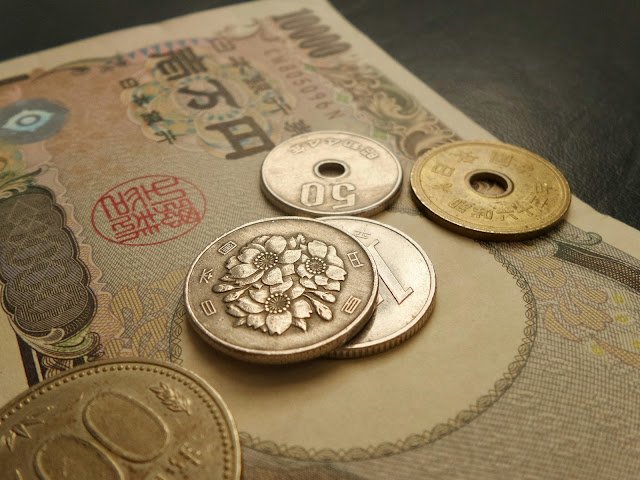 |
| Representational Image (Photo: Unsplash) |
The shock tightening has caused immediate shockwaves through global fixed-income assets and equity desks, with currency traders bracing for a massive unwinding of the trillions of dollars tied up in the historical “Yen carry trade”—a mechanism where global funds borrowed cheap Yen to invest in higher-yielding assets like U.S. Tech stocks and emerging market sovereign bonds. During his highly anticipated post-meeting press conference in Tokyo, Governor Ueda strongly defended the central bank’s decisive strategy, clarifying that maintaining deeply negative or near-zero real borrowing costs was no longer structurally justifiable. Market analysts emphasize that by shifting toward normalized credit costs, Japan’s policy turn will heavily compress global liquidity margins, placing sustained upward pressure on borrowing metrics worldwide for the remainder of the fiscal year.
Bulletins: Agency Key Takeaways
• The Historical Peak: The Bank of Japan unanimously approved an aggressive interest rate hike, raising its policy rate target to the highest ceiling observed in 31 years.
• The Deflation Exit: BOJ Governor Kazuo Ueda confirmed that robust domestic wage increases and structural consumer demand signify a definitive end to Japan’s decades-long deflation era.
• Carry Trade Shockwaves: Global macro funds are rapidly scaling back the historic “Yen carry trade,” triggering deep position liquidations in Western tech equities and foreign fixed-income bonds.
• Global Yield Surge: Financial analysts warn that Japan’s structural pivot toward normalized monetary policy will tighten international credit markets and squeeze asset liquidity worldwide.