Russian Air Defences Intercept 92 Drones in Major Overnight Alert Over Leningrad Region

Russian air-defence forces reportedly intercepted 92 drones over the northwestern Leningrad region early on Wednesday, in a large overnight aerial alert that has renewed attention on the security of an important industrial and export area.
Regional Governor Aleksandr Drozdenko announced the figure in a message on Telegram. The reported interceptions took place over the Leningrad region, which surrounds St. Petersburg and is located northwest of Moscow.
The exact locations where the drones were detected and intercepted have not been fully disclosed. Authorities have also not provided a complete account of possible damage or disruptions linked to the incident.
The reported figure of 92 drones has not been independently verified. Information released so far does not establish how many drones were directed towards particular facilities or whether any reached their intended targets.
Leningrad region's strategic importance
The Leningrad region is an important part of Russia's economic and transport network. Its location along the Baltic Sea gives it access to major maritime routes used for international trade.
The region includes the ports of Ust-Luga, Primorsk and Vysotsk, which are important for Russian oil and grain exports. It is also home to the Kirishi oil refinery, one of the country's largest petroleum-processing facilities.
These installations make the area strategically significant for Russia's energy and commercial activities. Any prolonged disruption to transport, industrial production or port operations could have wider economic consequences.
However, there has been no confirmation that the 92 drones intercepted on Wednesday caused damage to these facilities. Their presence in the wider region should not be taken as evidence that any specific port or industrial site was struck during this incident.
Air-defence response
The announcement indicates that Russian air-defence units were active during the overnight alert. Drones detected in the region were reportedly engaged and brought down before the authorities announced that 92 had been intercepted.
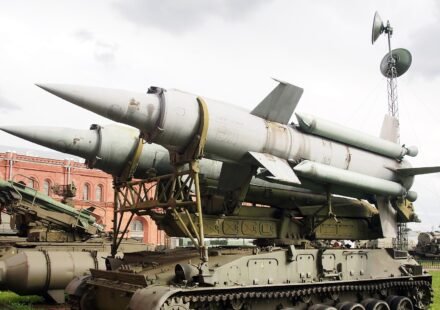
Officials have not released detailed information about the types of weapons or air-defence systems used during the operation. They have also not published a full breakdown of the locations where the interceptions took place.
Such details are often restricted during military operations because they can reveal information about defensive capabilities and the protection of important infrastructure.
For residents, a large drone alert can create uncertainty even when authorities report successful interceptions. Falling debris, temporary restrictions and precautionary security measures can affect communities near the areas where air-defence operations take place.
At present, the available public information does not provide a complete picture of the impact on local residents or essential services.
Wider pressure from drone warfare
The incident comes as drone attacks have become a major feature of the Russia-Ukraine war. Both countries have increasingly relied on unmanned aerial vehicles to target military positions, infrastructure and facilities considered important to the opposing side.
Long-range drones have changed the security environment far beyond the immediate front lines. Industrial areas, energy installations, transport networks and cities located deep inside national territory have all become part of the wider security challenge.
For Russia, protecting its western regions is particularly important because of their industrial concentration and access to the Baltic Sea. The Leningrad region's proximity to international borders and major trade routes adds another layer of concern.
Air-defence systems are therefore required to monitor large areas and respond to incoming threats that may travel at different altitudes and along changing routes.
The reported interception of 92 drones illustrates the scale of the aerial alert, although the available information does not establish the precise operational circumstances behind it.
Questions remain over the full impact
Several important details remain unclear following the governor's announcement. Authorities have not provided a comprehensive account of where the drones were intercepted, whether any buildings or infrastructure were damaged, or whether emergency services had to respond to incidents on the ground.
Independent verification is also difficult during an active military conflict. Information released by officials on either side may not provide the complete picture, particularly when military operations and national security are involved.
The number announced by the regional governor should therefore be treated as an official Russian claim rather than an independently confirmed total.
The latest incident underlines the continuing pressure that drone warfare is placing on Russia's regional security arrangements. The Leningrad region's ports, industrial facilities and energy infrastructure make it an especially important area to protect.
Further information from regional authorities will be needed to establish whether Wednesday's operation caused any damage or disruption beyond the reported interceptions.