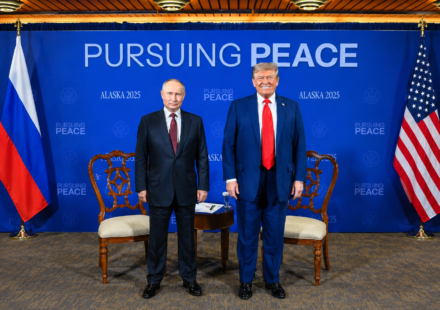
Kremlin Confirms Ukraine Peace Talks in Abu Dhabi as US Pushes for Breakthrough

The Kremlin has confirmed that Russia, Ukraine and the United States are preparing to resume trilateral peace negotiations in Abu Dhabi on November 10–11, 2026, renewing diplomatic efforts to find a way out of the war that has reshaped Europe's security landscape. The announcement signals a fresh attempt by Washington to bring the two sides back to the negotiating table, although major disagreements over territory, security guarantees and the future of occupied Ukrainian regions remain unresolved.
Russian presidential aide Vladimir Medinsky is expected to lead Moscow's delegation, Kremlin spokesperson Dmitry Peskov confirmed on November 3. The discussions will take place in the capital of the United Arab Emirates, with the United States acting as mediator between the Russian and Ukrainian delegations.
The upcoming meeting could provide an opportunity to explore areas where both countries might be willing to compromise. However, confirmation that negotiations will take place should not be mistaken for an agreement on ending the war. The immediate objective is to restart diplomatic engagement and examine possible steps towards de-escalation and a broader settlement.
Abu Dhabi to Host the Next Round of Negotiations
The announcement followed efforts by US officials to revive negotiations after earlier discussions failed to produce a breakthrough. US special envoy Steve Witkoff said Washington would bring Russian and Ukrainian representatives together in Abu Dhabi on November 10 and 11 for working-level discussions.
The proposed agenda includes security arrangements for the period after the war, measures to reduce tensions, humanitarian efforts and possible next steps towards peace. These issues are closely connected: any ceasefire would require both sides to understand how it would be monitored, how violations would be handled and what protections Ukraine could expect against a renewed attack.
The United States is seeking to use renewed diplomatic contact to narrow the differences between Moscow and Kyiv. Yet the success of the meeting will depend on whether the delegations can move beyond restating their existing positions and identify proposals that both sides are prepared to consider.
Vladimir Medinsky to Lead Russia's Delegation
Medinsky, a senior aide to Russian President Vladimir Putin and a former culture minister, will continue as Moscow's chief negotiator. His appointment indicates continuity in Russia's negotiating team rather than a completely new diplomatic approach.
Kremlin spokesperson Peskov confirmed the Russian delegation's planned participation but did not announce a personal attendance commitment from Putin. The scheduled meeting is therefore a negotiation between delegations, not a confirmed summit involving the Russian, Ukrainian and American presidents.
For Moscow, the talks offer another opportunity to pursue its stated objectives through negotiations while maintaining its position on the conditions it considers necessary for a settlement. For Kyiv, the central challenge is to determine whether diplomatic progress can protect Ukraine's sovereignty and security without forcing it to accept terms that could leave the country vulnerable in the future.
The identities of the negotiators matter, but their ability to secure political backing for any proposed agreement will be equally important. Even if working-level officials identify possible areas of compromise, major decisions are likely to require approval from their respective national leaderships.
Territorial Disputes Remain a Major Obstacle
One of the hardest questions facing negotiators is the future of Ukrainian territory occupied by Russia. Moscow has continued to demand full Ukrainian withdrawal from parts of the Donetsk region that remain under Kyiv's control, while Ukraine has rejected surrendering territory as the price of peace.
This disagreement is fundamental because a territorial settlement would affect Ukraine's borders, its population and its long-term defence. Any proposal involving changes to control on the ground would also face difficult political and legal questions.
Security guarantees present another challenge. Ukraine wants credible protections against another Russian attack, while the structure and enforcement of any post-war security arrangement would need to be negotiated. A ceasefire without a workable monitoring mechanism or credible safeguards could leave the underlying conflict unresolved.
The Abu Dhabi meeting may help clarify whether the parties are prepared to discuss these questions in greater detail. However, there is no confirmed indication that either side has abandoned its existing position on the most contentious issues.
Europe Seeks a Role in Ukraine's Future Security
The negotiations also raise questions about the role European countries could play in a future settlement. Ukraine's long-term security would have implications for neighbouring states and the wider European defence environment, making the participation of European governments important to any durable arrangement.
According to reporting on the US diplomatic initiative, American representatives also planned discussions in Brussels with officials from France, Germany, the United Kingdom, the European Union and NATO. Those discussions are expected to address security guarantees for Ukraine, Europe's post-war security framework and reconstruction.
These consultations could help Washington understand what European governments might be prepared to contribute to a future agreement. They may also help identify how international security commitments and financial support could work if the fighting stops.
However, European involvement in parallel consultations does not automatically mean European representatives will participate directly in the Abu Dhabi trilateral negotiations. The format of the November meeting remains centred on Russia, Ukraine and the United States.
What the Talks Could Mean for Civilians
For civilians affected by the war, the most immediate benefit of diplomatic progress would be a reduction in violence. Any credible de-escalation could create opportunities to protect communities, improve humanitarian access and support people displaced by fighting.
Humanitarian discussions could also help address practical concerns involving vulnerable civilians and the consequences of continued hostilities. Nevertheless, progress at the negotiating table would need to translate into concrete measures on the ground before communities could experience meaningful relief.
A successful meeting would not necessarily produce an immediate ceasefire. Negotiators may first need to agree on the principles of a possible arrangement, establish further meetings or identify specific confidence-building measures.
Conversely, a failure to narrow differences could leave the conflict continuing without a clear diplomatic path forward. That is why the substance of the discussions will matter more than the announcement that they are taking place.
Can Abu Dhabi Deliver a Breakthrough?
The November 10–11 meeting represents a renewed diplomatic opening, but substantial obstacles remain. Russia and Ukraine continue to differ on territory and security, while the United States must find proposals that can gain acceptance from both sides.
The talks will be an important test of whether renewed engagement can produce practical progress after earlier negotiations stalled. Possible indicators of movement would include agreement to continue discussions, more detailed work on security arrangements or concrete steps towards humanitarian cooperation and de-escalation.
For now, no peace agreement or ceasefire has been announced as a result of the upcoming meeting. The central question is whether the three delegations can turn renewed diplomatic contact into a realistic framework for ending the war.
Abu Dhabi will therefore be watched closely by governments and communities hoping for a reduction in hostilities. The meeting offers another opportunity for diplomacy, but achieving lasting peace will require difficult decisions, credible guarantees and commitments that extend beyond the negotiating room.