Ethiopia’s Conflict Pushes Hospitals to the Brink as Civilians Face Deadly Attacks

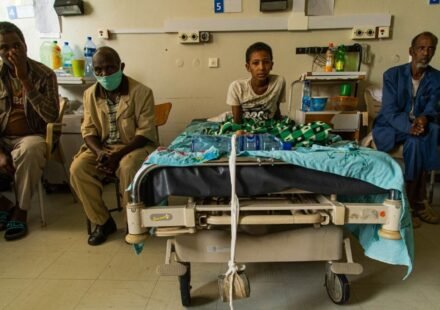
Renewed violence in northern Ethiopia is deepening a humanitarian crisis, with reported attacks killing civilians, including children, while hospitals struggle to provide essential medical care. World Health Organization (WHO) Director-General Tedros Adhanom Ghebreyesus has warned that the country’s already fragile health system is moving closer to collapse as insecurity disrupts medical services and blocks the delivery of life-saving supplies.
In a statement on Monday, Tedros raised concerns about reported attacks in the Amhara and Tigray regions. Children, including a newborn, were reportedly among those killed at the Jaari 2 displacement camp in Amhara. In Rama, a town in neighbouring Tigray, several people were reportedly killed while trying to obtain food.
Tedros did not provide casualty totals or specific dates for the incidents in his statement. He also did not identify those responsible. The reports come amid continuing insecurity across several parts of Ethiopia, where civilians face the combined pressures of armed violence, displacement and limited access to basic services.
Hospitals Face Shortages of Staff and Medicines
The effects of the violence extend far beyond the immediate loss of life. According to Tedros, hospitals in northern Ethiopia are facing shortages of healthcare workers, medicines and medical equipment. Ambulance services are severely limited, while insecurity is making it difficult to transport essential supplies to communities that need urgent treatment.
These problems can be particularly dangerous for patients requiring emergency surgery, maternal care, treatment for serious injuries or help with other life-threatening conditions. When ambulances cannot travel safely and hospitals lack essential supplies, patients may experience delays that worsen their chances of recovery.
The WHO and other United Nations partners are working to deliver additional medical supplies to affected areas. However, the success of these efforts depends partly on whether humanitarian organisations can reach communities safely and consistently.
Tedros called for civilians to be protected and for healthcare workers and humanitarian supplies to be allowed to reach people in need. His warning highlights the importance of maintaining medical services even as fighting and insecurity continue.
Violence Threatens Displaced Families
The reported attack on the Jaari 2 displacement camp has raised further concerns about the safety of people who have already been forced to leave their homes. Displacement camps are intended to provide temporary shelter, but residents can remain exposed to danger when fighting spreads or essential protection measures fail.
A separate report published on October 30 said at least 15 people, including five children, were killed in drone strikes on the Jaari 2 camp, according to sources involved in rescue efforts. The camp was reported to house more than 1,700 people displaced by earlier violence. The attackers and their motives had not been established in that report.
The deaths and injuries add pressure to an already stretched emergency response. Families who survive attacks may need urgent medical treatment, safe shelter, food and psychological support. Children, older people and those with disabilities can face additional difficulties when they are forced to move or lose access to routine healthcare.
In Tigray, the reported killings in Rama involving people seeking food underline how insecurity can interfere with even the most basic activities. When civilians cannot safely obtain food or reach healthcare facilities, humanitarian needs can grow quickly.
Renewed Fighting Undermines Ethiopia’s Peace Efforts
The latest violence comes amid renewed fighting that has undermined the November 2022 peace agreement between Ethiopia’s federal government and forces linked to the Tigray People’s Liberation Front. The agreement had raised hopes of ending the devastating conflict in Tigray, but fresh tensions have increased fears of further instability.
Amhara has also experienced prolonged fighting between federal security forces and Fano militias since 2023. Meanwhile, armed opposition and insecurity have affected other parts of the country, including Oromia.
Separately, Ethiopia’s Orthodox Church reported that at least 60 Orthodox Christians were killed in attacks in Oromia. The United States ambassador to Ethiopia condemned reported targeted killings in the region’s Arsi zone and called for an investigation. These incidents add to concerns about civilian protection in areas beyond the immediate focus of the latest WHO warning.
Ethiopian Prime Minister Abiy Ahmed, meanwhile, said government leaders were taking part in military training at the Hurso Military Training Centre in eastern Ethiopia. A coalition of seven opposition groups has also announced plans to strengthen cooperation and expand political and diplomatic activity, while accusing the government of contributing to conflict and displacement. Those accusations represent the opposition coalition’s position and are not an independently established finding.
Humanitarian Access Is Becoming More Urgent
The combination of attacks, displacement, staff shortages and disrupted deliveries creates a serious challenge for emergency responders. Medical supplies are useful only if they can reach facilities and patients, while healthcare workers need safe conditions to treat people without fear of further violence.
The WHO’s warning also points to the risk that a prolonged crisis could weaken routine healthcare, not just emergency treatment. Interruptions to vaccination, maternal care, disease surveillance and treatment for chronic illnesses can create further health problems over time.
Analysis: If insecurity continues to restrict medical access, the consequences could extend well beyond the communities directly affected by the reported attacks. Delayed treatment, interrupted healthcare and shortages of essential medicines could increase preventable suffering. Displacement may also make it harder for aid organisations to identify vulnerable families and deliver assistance consistently.
Preventing further deterioration will require protection for civilians, safe passage for humanitarian workers and medical supplies, and efforts to reduce fighting. Independent investigations into reported attacks would also help establish what happened and who was responsible.
For now, the WHO and its partners are working to support affected communities, but the needs remain substantial. The latest reports serve as a reminder that Ethiopia’s conflict is not only a security challenge: it is also placing lives at risk by weakening the healthcare system people depend on in emergencies.