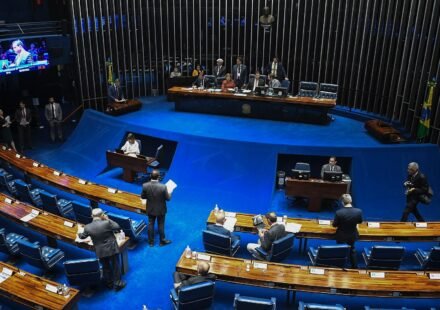
Brazil Senate Approves Shorter Workweek in Major Win for Lula Ahead of Presidential Runoff

Brazil’s Senate has approved a constitutional amendment to reduce the country’s maximum working week from 44 hours to 40 hours without cutting salaries, delivering a significant legislative victory for President Luiz Inácio Lula da Silva ahead of the October 25 presidential runoff.
The reform would also move Brazil away from the widely used six-day work schedule, giving covered workers two days of weekly rest. The measure has attracted support beyond Lula’s political camp, reflecting public pressure for shorter working hours and improved work-life balance.
What Does the New Workweek Proposal Change?
The amendment would reduce the maximum standard workweek from 44 hours to 40 hours, while protecting workers’ salaries. Under the proposed transition, the limit would initially fall to 42 hours and then reach 40 hours over approximately 14 months.
The plan also provides for a five-day working schedule and two weekly rest days. The changes are expected to benefit more than 37 million workers in Brazil’s formal economy, although informal workers may not receive the same direct benefits.
Why Is the Decision Important for Lula?
The vote comes as Lula prepares for a presidential runoff against Senator Flávio Bolsonaro on October 25. Lula and his allies have supported the reform as a measure to improve workers’ quality of life and strengthen labour protections.
The timing gives the president a prominent policy achievement to highlight during the campaign. However, the vote alone does not determine the election outcome, and the proposal has received support from lawmakers outside Lula’s coalition.
Flávio Bolsonaro Also Backs the Reform
Flávio Bolsonaro, Lula’s runoff opponent, had previously opposed the proposal but announced support ahead of the Senate vote. Reuters reported that the shift was intended in part to avoid losing support on an issue with broad public appeal.
The change in position illustrates how the workweek debate has become a significant campaign issue. Supporters emphasise additional rest and family time, while business groups have raised concerns about the potential effects on labour costs and competitiveness.
What Happens Next?
If implemented as outlined, the reform would represent a substantial change to Brazil’s working-time rules, with the transition designed to give businesses time to adapt.