New York Child’s Death Highlights Growing Measles Threat as Cases Rise Across the State

A child has died in Lewis County, New York, in connection with an ongoing measles outbreak, marking the state’s first known measles-associated death in more than 30 years. The announcement on November 2 has renewed concerns about the spread of a highly contagious disease that can cause serious complications, particularly among children who lack immunity.
The New York State Department of Health and Lewis County Public Health confirmed the death in a joint statement. Officials expressed condolences to the family and requested privacy during this difficult time. They have not publicly disclosed the child’s age or vaccination history.
The death comes as health authorities continue efforts to control measles infections across New York. The state had recorded 178 cases by October 24, 2026, including 170 outside New York City and eight within the city. Officials are working with local health departments to monitor infections, improve public awareness and help residents access vaccinations.
Measles Cases Put Health Authorities on Alert
The latest death highlights the challenges facing public health officials as measles infections spread through communities in the United States. Although vaccination has made the disease far less common than it once was, outbreaks remain possible when the virus reaches groups with low vaccination coverage.
Lewis County, located in northern New York, is among the areas affected by the outbreak. State health authorities have offered additional support to local officials, including assistance with community outreach and vaccination efforts.
The response follows an emergency declaration issued by Governor Kathy Hochul in October. The measure was intended to help the state respond more quickly to the outbreak, expand access to vaccination and make additional resources available where needed.
Hochul expressed sorrow following the child's death and extended her condolences to the family. The incident has reinforced calls from health officials for residents to check their immunisation records and consult healthcare professionals if they are unsure whether they are protected.
The immediate priority is to limit further transmission, identify possible exposures and ensure that people who need vaccination can obtain it.
Why Measles Can Become Life-Threatening
Measles is a viral respiratory infection that spreads through the air when an infected person coughs or sneezes. The virus is exceptionally contagious and can remain infectious in the air for a period after an infected person has left an enclosed space.
Symptoms generally develop between seven and 14 days after infection, although they can take as long as 21 days to appear. The illness often begins with a high fever, cough, runny nose and red, watery eyes.
A rash usually develops several days later, starting around the face and hairline before spreading to other parts of the body. Fever can become particularly high when the rash appears.
While some patients recover without serious complications, measles can lead to pneumonia, severe dehydration and inflammation of the brain. It can also weaken the immune system's ability to fight other infections, leaving patients vulnerable to additional illnesses.
Young children, infants and people with weakened immune systems can face greater risks. In severe cases, the disease can result in permanent complications or death.
One reason outbreaks are difficult to contain is that infected people can transmit the virus before the characteristic rash appears. People who do not realise they have measles may unknowingly expose family members, classmates and others in their community.
Vaccination Offers Strong Protection
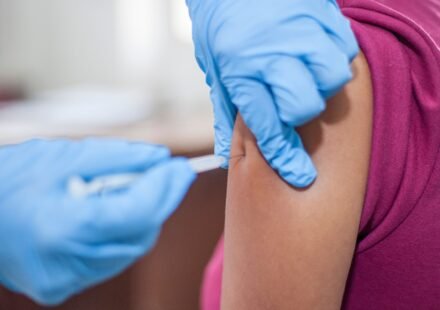
Health officials continue to identify vaccination as the most effective way to prevent measles and reduce the likelihood of serious illness.
The measles, mumps and rubella vaccine, commonly known as the MMR vaccine, provides strong protection against the disease. According to public health guidance, one dose is approximately 93% effective against measles, while two doses provide about 97% protection.
In the United States, children generally receive their first routine dose at 12 to 15 months of age and a second dose between four and six years. Different recommendations may apply during outbreaks, particularly for infants who are travelling to affected areas or face an increased risk of exposure.
Parents should check their children's vaccination records and contact a healthcare professional if any doses have been missed. Adults who are uncertain about their immunity can also seek medical advice.
New York authorities are working with county health departments and local partners to provide vaccinations to unvaccinated people who request them. Officials are also investigating reported cases and conducting contact-tracing activities to help prevent further infections.
The state's guidance urges residents to pay particular attention to vaccination before travelling to areas experiencing measles transmission.
A Wider Challenge for Public Health
New York's experience reflects a broader concern about the return of measles in the United States. The country declared measles eliminated as a continuously circulating domestic disease in 2000, but that achievement did not mean imported infections or local outbreaks were impossible.
When the virus enters a community where many people are unvaccinated, it can spread rapidly. Gaps in immunisation can also put infants who are too young for routine vaccination and people unable to receive certain vaccines for medical reasons at greater risk.
The current outbreak has therefore placed renewed attention on vaccination coverage, public awareness and the ability of local health systems to respond quickly.
The implications extend beyond the immediate number of reported cases. Outbreaks can require additional medical resources, public health investigations and changes to how exposed people are monitored. Preventing infections can reduce pressure on healthcare facilities and protect vulnerable members of the community.
However, the available information does not establish the vaccination status of the child who died, and officials have not released enough personal details to determine the circumstances of the infection.
What Families Should Do Now
Health authorities are encouraging residents to recognise possible symptoms, review vaccination records and seek professional advice if they believe they have been exposed to measles.
Anyone who develops symptoms consistent with the disease should contact a healthcare facility before arriving in person. Calling ahead allows medical staff to take precautions and reduce the risk of exposing other patients.
People who may have been exposed should follow advice from their healthcare provider or local public health department. Unvaccinated individuals, infants and people with weakened immune systems may need particular attention.
New York's latest tragedy is a reminder that measles remains a serious threat even after decades of progress against the disease. Maintaining high vaccination coverage, identifying infections promptly and communicating accurate health information will be essential to containing the outbreak.
For families and communities, the most important step is to ensure that eligible children and adults are protected. Strong immunisation programmes and timely public health action can help prevent further infections and reduce the risk of another preventable death.
Ho Chi Minh City Steps Up Child Health Protection as Hand, Foot and Mouth Cases Surge
Health authorities in Vietnam’s Ho Chi Minh City have launched an intensified campaign to contain hand, foot and mouth disease after the city recorded more than 44,000 cases this year, including five deaths. The rising number of infections, alongside the circulation of a virus associated with severe complications, has prompted officials to strengthen surveillance, hygiene measures and early detection, particularly in kindergartens and childcare facilities.
According to the municipal Department of Health, reported cases have increased by more than 65 per cent compared with the same period last year. More than 1,600 outbreaks have also been recorded, raising concerns about the potential for further transmission among young children.
The city launched its latest prevention campaign on October 31. Authorities are coordinating with schools, healthcare facilities and local administrations to identify suspected infections quickly, improve sanitation and ensure that children who develop warning signs receive timely medical attention.
Why the Rising Case Numbers Matter
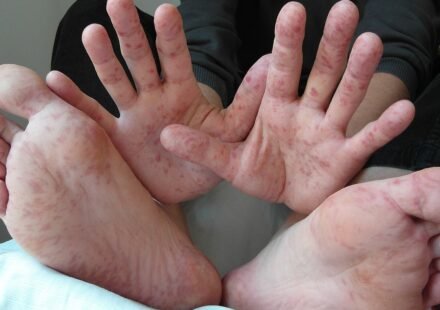
Hand, foot and mouth disease is a contagious viral illness that mainly affects infants and children under five, although older children and adults can also become infected. Common symptoms include fever, painful sores in the mouth and a rash or small blisters on the hands and feet. Some children may also develop spots on their buttocks.
Most patients recover within seven to ten days, but the illness can occasionally become severe. Certain viruses associated with the disease can affect the nervous system and cause complications requiring urgent hospital treatment.
The presence of Enterovirus 71, commonly known as EV71, has added to the concerns in Ho Chi Minh City. This strain has been linked to serious complications, including inflammation affecting the brain and brainstem. In severe cases, patients can develop breathing difficulties or other life-threatening problems.
Health surveillance reported 60 samples testing positive for EV71 by October 18. This finding does not mean every reported case involves the strain, but it highlights the importance of monitoring infections and recognising symptoms that may indicate a more serious illness.
The overall rise in cases also puts pressure on families, schools and paediatric healthcare services. Early identification and appropriate care can help reduce the risk of complications and prevent avoidable delays in treatment.
Schools and Childcare Centres Face Greater Scrutiny
Children often spend extended periods together in classrooms, play areas and childcare facilities, where close contact and shared objects can help infections spread. Young children may also struggle to maintain consistent hand hygiene without adult supervision.
Under the prevention campaign, kindergartens and childcare groups have been instructed to monitor children's health daily and promptly report suspected cases to local health authorities. Schools are also expected to clean and disinfect classrooms, toys, furniture, floors and frequently touched surfaces.
The city's health authorities have called for routine cleaning every day and disinfection at least once a week, with more frequent measures when infections or outbreaks are identified.
These precautions are intended to reduce the chances of contaminated surfaces contributing to transmission. However, cleaning alone is not enough: handwashing, symptom monitoring and cooperation between families and schools remain essential parts of prevention.
Childcare facilities are also being encouraged to strengthen communication with parents so that families receive timely information about symptoms, hygiene practices and the steps to take if a child becomes unwell.
What Parents Should Watch For
Parents and caregivers are being urged to pay attention to fever, mouth ulcers and unusual rashes or blisters on a child's hands, feet or buttocks. A child who appears unwell should be assessed by a healthcare professional, particularly if cases have been reported at their school or childcare centre.
Certain symptoms require urgent medical attention. These include persistent high fever, repeated or unusual startling during sleep, trembling limbs, difficulty walking, unusual drowsiness or a noticeable deterioration in the child's condition.
Such signs should not be dismissed as ordinary childhood illness. Serious complications can develop, and delaying assessment may postpone treatment that a child needs. Caregivers should seek emergency medical help if severe symptoms appear and follow professional advice about monitoring and care.
Parents should also cooperate with schools and health officials when a child is suspected of having the infection. Keeping an ill child at home in accordance with medical guidance can reduce exposure to other children and help limit further spread.
Regular handwashing with soap and clean water is particularly important before preparing food, feeding a child and after changing nappies or using the toilet. Toys and frequently handled household objects should also be cleaned regularly.
A Wider Public Health Challenge
The outbreak illustrates the difficulty of controlling contagious childhood illnesses in a densely populated city. Even when most cases are mild, a sharp increase can create additional demands on clinics, hospitals and families.
The campaign is scheduled to continue through the end of 2026. Local authorities, educational institutions and healthcare providers are expected to maintain surveillance, investigate suspected outbreaks and improve their ability to identify children who need specialist care.
The authorities are also seeking closer coordination between schools and medical services so that emerging clusters can be identified and addressed quickly. Consistent reporting is important because delayed recognition can allow infections to spread before preventive measures are introduced.
For families, the most useful response is not panic but consistent prevention and prompt attention to symptoms. Parents should rely on qualified healthcare professionals for diagnosis and treatment rather than attempting to assess serious warning signs at home.
Ho Chi Minh City's rising case count is a reminder that protecting children requires sustained cooperation between health services, schools and households. With infections already exceeding 44,000 and EV71 circulating, the effectiveness of the campaign will depend on whether daily hygiene, early detection and appropriate medical care become routine practices across the city.