Delhi High Court Refuses to Stop CJP Protest at Connaught Place on October 16

The Delhi High Court on Thursday declined to stop a protest planned by the Cockroach Janata Party (CJP) at Central Park in Connaught Place on Friday, October 16. The court recorded an assurance from Delhi Police that all necessary steps would be taken to regulate the gathering and maintain public order.
The protest has been called by CJP founder Abhijeet Dipke under the slogan “Lehra Do Tiranga”, with supporters urged to gather carrying the national flag. The demonstration follows the detention and judicial custody of party leaders Saurav Das and Ashutosh Ranka.
The court’s decision does not amount to unconditional approval of every activity planned by the organisers. Instead, it leaves the authorities responsible for managing the gathering in accordance with the law.
Why Was the High Court Approached?
The court was hearing a public interest litigation filed by Anil Kumar Gupta, a licensed street vendor at Palika Bazar in Connaught Place.
Gupta argued that a protest at Central Park could disrupt traffic, restrict pedestrian access and affect traders’ livelihoods during a busy period. He also questioned the choice of venue, arguing that Connaught Place is not among the officially designated locations for public demonstrations.
The petitioner said the plea was not intended to deny the right to peaceful protest but to ensure compliance with existing restrictions and protect access to commercial areas.
Representing the authorities, Additional Solicitor General Chetan Sharma assured the court that Delhi Police would take appropriate measures to regulate the gathering and address the concerns raised by the petitioner.
What Did the Court Say?
A bench comprising Acting Chief Justice Nitin Wasudeo Sambre and Justice Sanjay Sharma recorded the police assurance. The court declined to issue the requested order directly prohibiting the demonstration.
According to legal reporting, the court also made clear that the relevant respondent would include CJP office-bearers and associated members, rather than only the party founder.
The matter has been listed for further consideration on November 3. The court’s order leaves room for authorities to take lawful action if the gathering breaches applicable restrictions.
Why Is CJP Planning the Protest?
CJP announced the demonstration after its leaders Saurav Das and Ashutosh Ranka were sent to five days of judicial custody.
The two leaders were arrested over allegations that they entered Jantar Mantar without authorisation, breached peace-bond conditions and obstructed police personnel. These allegations remain subject to the relevant legal proceedings.
Dipke has urged supporters to gather with the national flag, presenting the demonstration as a response to the detention of party members. The planned event comes amid wider protests and political disagreements concerning electoral-roll revisions and the functioning of the Election Commission.
The CJP and opposition groups have alleged that voter-list changes have unfairly affected sections of the electorate. The Election Commission and the BJP have rejected allegations of political manipulation.
Connaught Place Braces for Possible Disruption
Connaught Place is one of New Delhi’s major commercial districts, attracting shoppers, office workers, visitors and tourists. A large demonstration could require traffic diversions, police deployment and restrictions around Central Park.
Police will need to balance public safety and access to nearby businesses with the organisers’ ability to hold a gathering within the law.
Authorities may impose reasonable operational controls, including barricades and route management, depending on the size and conduct of the crowd. Any restrictions would need to be consistent with applicable legal requirements and official directions.
Residents and visitors planning to travel through central Delhi on Friday should check police traffic advisories before setting out.
What Happens Next?
The immediate focus is on whether the demonstration proceeds as announced, how police regulate the gathering and whether any restrictions are imposed during the event.
The High Court’s decision leaves the matter with law-enforcement authorities for now, while the underlying petition remains pending.
Delhi Court Orders Release of CJP Leaders Abhijeet Dipke, Saurav Das and Ashutosh Ranka
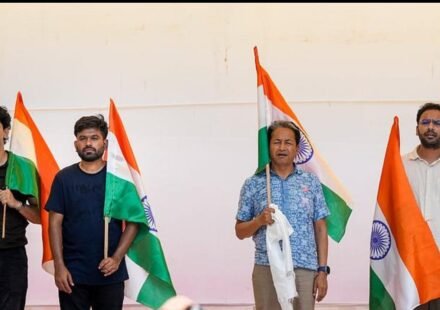
A Delhi court on Sunday ordered the release of Cockroach Janata Party (CJP) founder Abhijeet Dipke and party leaders Saurav Das and Ashutosh Ranka, a day after Delhi Police detained them ahead of a planned protest in the national capital.
The three leaders were produced before an Executive Magistrate in Delhi Cantonment following their preventive detention. Reports said their release was subject to a condition that they must not breach the peace for one year.
Their detention and subsequent release came amid heightened security in Delhi over the CJP’s proposed demonstration at Jantar Mantar against Chief Election Commissioner Gyanesh Kumar.
Why Were the CJP Leaders Detained?
Dipke, Das and Ranka were detained by Delhi Police on Saturday, October 10, shortly after their flight arrived in Delhi. They had travelled to the capital to participate in a planned protest demanding the resignation of the Chief Election Commissioner.
The proposed demonstration was linked to allegations of irregularities in the Special Intensive Revision (SIR) of electoral rolls. The SIR process has become a point of political contention, with critics raising concerns about voter-list changes and the need for transparency.
Delhi Police had denied permission for the planned gathering, citing law-and-order and public-safety concerns. Police personnel detained the three leaders after their aircraft landed, according to media reports.
The CJP had criticised the action and called for the leaders’ release.
Court Orders Release With a Condition
On Sunday, the three leaders were taken before an Executive Magistrate in Delhi Cantonment. The court subsequently ordered their release from detention.
Reports citing the party’s legal representative said the release came with a condition that the leaders must not breach the peace for one year. Their release did not amount to a judicial finding on the political allegations behind the proposed protest.
The court’s order brought an end to the immediate detention of the three CJP figures, although the wider dispute over the planned demonstration and electoral-roll revision remained unresolved.
Protest Over Electoral Rolls
The CJP’s planned demonstration sought to raise questions about the SIR exercise and demand accountability from the Election Commission. The party’s campaign has drawn attention to concerns over voter-list revisions, while the allegations remain contested.
Police had tightened security around central Delhi to prevent unauthorised gatherings at Jantar Mantar. The restrictions and preventive detentions also affected other people seeking to participate in protests, according to news reports.
The developments followed a wider police operation on Saturday, during which protesters and political figures were detained in different parts of the capital and many were later released.
What Happens Next?
The release of Dipke, Das and Ranka resolves their immediate detention but does not settle the broader disagreement over the proposed protest or the SIR process.
Any further demonstrations will depend on the organisers’ plans and the applicable police permissions and restrictions. The leaders’ release condition will also remain relevant to their conduct over the coming year.
The episode has renewed attention on the balance between maintaining public order and allowing peaceful political expression. Further developments may depend on whether the CJP announces another protest and how authorities respond.
Javed Akhtar Questions Whether Shivaji Park Residents Will Object to Political Rallies Too
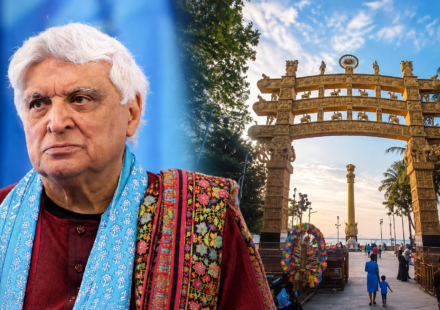
Writer and lyricist Javed Akhtar has questioned whether residents around Mumbai's Shivaji Park in Dadar will raise similar objections to political rallies in the area after some locals opposed a planned protest by the Cockroach Janata Party (CJP), citing noise and disruption.
In a post on X on Friday, Akhtar said he welcomed residents' concerns about noise pollution and suggested that the same objections should also apply when political parties organise public gatherings at Shivaji Park. His comments came as CJP activists and other civil society groups prepared to hold a demonstration at the venue.
Residents raise objections to protest
Some Shivaji Park residents have opposed the use of the ground for the CJP demonstration, citing concerns about noise, traffic and disruption to normal life in the neighbourhood.
Resident Sunil Bhagwat told reporters that people regularly use the park for walks and that repeated protests have created difficulties for local residents. Another resident, Ravindra, referred to problems he said occurred during an earlier demonstration, including crowding and traffic disruption.
Residents also pointed to nearby schools and a hospital while explaining their concerns about large gatherings in the area. These statements represent the views of individual residents and do not necessarily represent every person living in the neighbourhood.
CJP protest focuses on Election Commission
The CJP demonstration is linked to demands concerning Chief Election Commissioner Gyanesh Kumar and alleged irregularities in the Special Intensive Revision (SIR) of electoral rolls.CJP spokesperson Saurav Das said the group was beginning its protest in Mumbai and appealed to people to participate.
Police deployment was increased around Shivaji Park and nearby Dadar areas in anticipation of the gathering.
The allegations made by protesters concerning the Election Commission and the SIR process are contested political claims and have not been established as facts by the reporting cited here.
Why Shivaji Park is significant
Shivaji Park has long been an important public gathering place in Mumbai and has hosted political events and rallies.The area was declared a silence zone in 2010 because of the presence of schools, hospitals and residential buildings nearby.
The Free Press Journal reported that the applicable noise limits are 50 decibels during the day and 40 decibels at night.
The location's history as a venue for political gatherings has therefore become part of the discussion surrounding the latest protest.
Akhtar's broader question
Akhtar's comments focused on whether residents who are objecting to noise from the current protest would maintain the same position when political parties hold rallies at the same venue.His post did not endorse a particular political party.
Instead, he questioned whether the same standard concerning noise and disruption would be applied to political gatherings generally.
The issue has also generated discussion about how Mumbai balances the right to hold public demonstrations with the interests of residents, businesses, schools and hospitals located close to major protest venues.
Police security increased
Authorities increased security around Shivaji Park and Dadar ahead of the demonstration. The police presence was intended to manage the gathering and maintain public order as protesters assembled.
Separately, Maharashtra Chief Minister Devendra Fadnavis criticised the protest and defended the Election Commission, saying the allegations being raised against the poll body had been countered by statements from the Election Commission.
The political dispute and the residents' concerns are therefore unfolding at the same time, with the protest drawing attention both to electoral issues and to the practical impact of large demonstrations on the surrounding neighbourhood.
Source attribution: This report is based on current reporting from The Times of India, India Today and Free Press Journal. Statements and allegations made by political activists, residents and public figures are attributed to their respective speakers.