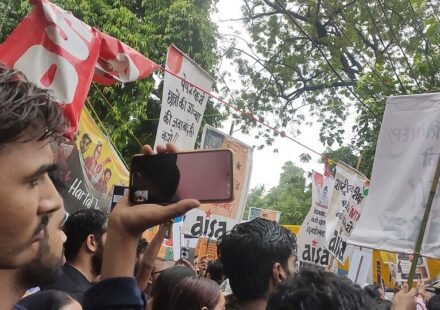
CJP Leaders and Opposition Figures Among Those Detained Before Delhi Demonstration

Delhi Police detained hundreds of people as authorities stepped up security across the national capital ahead of a planned protest by the Cockroach Janta Party (CJP) at Jantar Mantar on Saturday. Several CJP leaders and opposition figures were also reportedly taken into custody as they attempted to join the demonstration.
The protest was called to demand the resignation of Chief Election Commissioner Gyanesh Kumar over alleged irregularities in the Special Intensive Revision (SIR) of electoral rolls. The Election Commission’s voter-list revision process has become a focus of political debate, with critics questioning its implementation.
According to a report by Press Trust of India published by ThePrint, police detained around 200 protesters attempting to reach Jantar Mantar. The report also cited police sources saying preventive detentions had been carried out across Delhi’s 15 districts.
The detentions took place amid extensive security measures intended to prevent the gathering from proceeding without permission.
CJP Leaders Detained at Delhi Airport
Among those detained were CJP founder and convener Abhijeet Dipke and party representatives Saurav Das and Ashutosh Ranka. According to media reports, the three were taken into custody shortly after their flight landed at Delhi’s Indira Gandhi International Airport.
The leaders were travelling to the capital ahead of the planned demonstration. The party criticised the action and said its members intended to participate in the protest against the electoral-roll revision process.
YouTuber Dhruv Rathee was also detained from his residence in Gurugram ahead of the demonstration, according to reports citing police sources.
The detention of prominent activists and political figures drew attention to the authorities’ approach to the planned protest. However, the precise legal status of each detained person and the duration of their custody require confirmation from official updates.
Why Was the Protest Planned?
CJP and its supporters had called for a demonstration at Jantar Mantar to demand accountability over the SIR exercise and seek the resignation of Chief Election Commissioner Gyanesh Kumar.
The Special Intensive Revision process involves reviewing electoral rolls to check and update voter records. Critics have raised concerns about the possibility of eligible voters being removed from the lists, while the Election Commission’s stated role is to maintain accurate electoral records.
The dispute has prompted political criticism and protests. Allegations of deliberate or politically motivated voter deletions remain contested and should be assessed against official records, documented cases and responses from the Election Commission.
The protest was also part of a broader campaign by CJP and allied groups seeking greater scrutiny of the electoral process.
Delhi Police Impose Extensive Security Restrictions
Delhi Police had denied permission for the planned gathering, according to media reports, and prepared a large deployment to prevent protesters from reaching the designated location.
Security preparations included barricades, checkpoints and detention facilities. Authorities also introduced restrictions affecting movement around parts of central Delhi.
Reports indicated that the measures extended beyond Jantar Mantar, with police attempting to stop demonstrators from travelling to the capital or assembling at other locations. The scale of the deployment reflected officials’ concerns about managing a large gathering without formal permission.
Police sources said preventive action was intended to maintain law and order. CJP and other critics, meanwhile, questioned the restrictions and the detention of people seeking to participate in the protest.
Opposition Leaders Also Reportedly Detained
Several opposition figures were reported to have been detained in connection with the planned demonstration. The Communist Party of India (Marxist) said leaders including party general secretary M.A. Baby, Kerala Chief Minister Pinarayi Vijayan, John Brittas and other party representatives were among those detained or affected by police action.
The reported detentions added a political dimension to the dispute, as opposition figures questioned the restrictions imposed ahead of the protest.
The precise circumstances varied by individual, and the status of those detained may change as police release further information.
Debate Over Electoral Transparency and Protest Rights
The police action has intensified debate over the balance between public order and the right to peaceful assembly. Authorities can impose lawful restrictions on public gatherings, but the scope and implementation of those restrictions can also attract scrutiny when activists, journalists or elected representatives are detained.
For CJP, the immediate demand is for its detained members and supporters to be released and for concerns about electoral-roll revision to be addressed. The authorities’ stated position has focused on security arrangements and the absence of permission for the planned demonstration.
The central issue behind the protest remains the integrity of electoral rolls and the need for transparency in the revision process. Establishing whether particular voters were wrongly excluded requires evidence from electoral records and an opportunity for the relevant authorities to respond.
As the situation develops, updates on the detainees’ release, any legal proceedings and the Election Commission’s response to the allegations will be important.
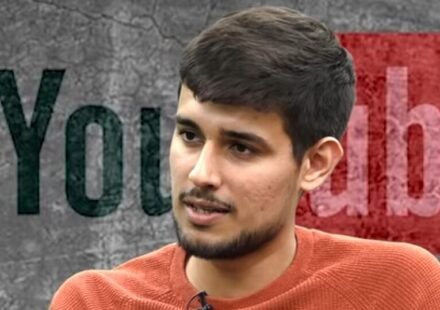
YouTuber Taken Into Custody Ahead of CJP Rally Over Electoral Roll Revision
Popular YouTuber Dhruv Rathee was detained by police at his residence in Gurugram on Saturday ahead of a planned protest in Delhi organised by the Cockroach Janta Party (CJP). The party condemned the detention and demanded his immediate release, along with other protesters and activists reportedly taken into custody.
Rathee was reportedly preparing to attend the demonstration at Jantar Mantar, where protesters planned to raise concerns about the revision of electoral rolls and demand the resignation of Chief Election Commissioner Gyanesh Kumar.
The detention took place amid heightened security arrangements in the national capital ahead of the protest. Reports from Indian media outlets said police personnel reached Rathee’s residence in Gurugram’s Sector 56 and detained him before he could join the demonstration.
Why Was Dhruv Rathee Detained?
According to media reports citing police sources, authorities had attempted to persuade Rathee not to attend the proposed protest. Police cited prohibitory orders in Delhi and the absence of permission for the gathering.
The demonstration was organised by the Cockroach Janta Party and its supporters to raise allegations concerning the Special Intensive Revision (SIR) of electoral rolls. Protest organisers have questioned the exercise and demanded accountability from the Election Commission.
Police had denied permission for the planned gathering, citing security and procedural concerns. Authorities increased security across parts of Delhi to prevent demonstrators from assembling at the designated site.
As of the latest reports available on Saturday, the precise legal grounds and duration of Rathee’s detention had not been fully detailed publicly.
CJP Demands Immediate Release
The Cockroach Janta Party strongly criticised the detention and demanded the immediate and unconditional release of Rathee and other people it said had been detained.
In its statement, the party accused authorities of attempting to suppress dissent over electoral roll irregularities. These allegations represent the party’s position; the authorities’ stated justification for restricting the gathering was based on permission and security-related concerns.
CJP also called for the release of student activists and other citizens reportedly held during the police action. The incident has intensified debate over the handling of demonstrations and the right to peaceful political expression.
Protest Focuses on Electoral Roll Revision
The proposed protest at Jantar Mantar was linked to objections over the Special Intensive Revision of electoral rolls and demands for Chief Election Commissioner Gyanesh Kumar to resign.
The SIR process involves reviewing voter lists. Supporters of the protest have alleged irregularities and raised concerns about its implementation. Such claims require examination against official records and responses from the Election Commission.
The Election Commission’s role in maintaining accurate electoral rolls is central to the dispute. Any specific allegation of wrongful deletion or manipulation should be assessed using documented evidence, official data and responses from the relevant authorities.
Security Tightened Across Delhi
Police stepped up security in the national capital ahead of the planned demonstration. News reports said more than 150 protesters were detained at different locations as authorities sought to prevent the gathering from proceeding without permission.
The security measures and detentions affected people attempting to reach the protest site. The wider response has drawn attention to the balance between maintaining public order and allowing citizens to assemble and express political views.
Police restrictions on an event do not, by themselves, establish whether the organisers’ allegations about electoral rolls are correct. Likewise, allegations of suppression by the organisers should be distinguished from independently established facts.
What Happens Next?
Rathee’s detention and CJP’s demand for his release have become a major development surrounding the planned demonstration. Further information about his custody status, the legal basis for the detention and the release of other protesters will be important in determining the next steps.
The episode also highlights continuing public debate over electoral transparency, police powers and the right to peaceful protest in India.
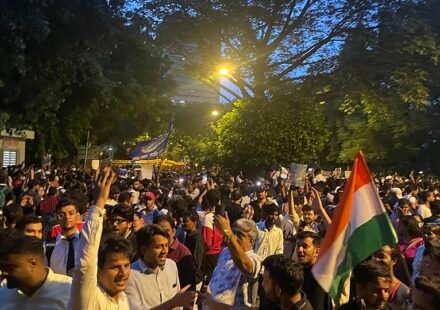
Delhi Internet Shutdown Tonight: Mobile Data to Be Suspended Near Jantar Mantar for 24 Hours
Mobile internet services are set to be suspended in parts of central Delhi from 10 pm on Friday, October 9, until 10 pm on Saturday, October 10, as authorities prepare for a planned protest at Jantar Mantar.
According to reports citing a Delhi Police notification, the restriction will cover an area within a four-kilometre radius of the Janpath–Kartavya Path crossing. The measure comes ahead of a demonstration called by the Cockroach Janta Party (CJP), which has demanded the resignation of Chief Election Commissioner Gyanesh Kumar.
The restriction is intended to help authorities maintain public order and prevent potential disruption during the planned gathering. Residents, commuters and visitors in the affected area may face difficulties accessing mobile internet services during the 24-hour period.
Why Is Mobile Internet Being Suspended?
The shutdown comes amid heightened security preparations for the October 10 protest. Organisers have called for demonstrations over alleged irregularities in the Special Intensive Revision (SIR) of electoral rolls, a voter-verification exercise that has become a major political issue.
The CJP has demanded accountability from the Election Commission and called for Kumar to step down. Opposition groups and activists have also raised concerns about voter-list deletions and the possible exclusion of eligible voters.
The Election Commission's voter-verification process and the claims surrounding it remain politically contested. Allegations of wrongdoing should not be treated as established facts without supporting evidence.
Delhi Police Denies Permission for Protest
Delhi Police has denied permission for the proposed CJP demonstration at Jantar Mantar. Police officials have cited the short notice given for the event, previous alleged non-compliance with directions and concerns involving public safety, traffic management and law and order.
Authorities have also imposed prohibitory restrictions in the New Delhi area under Section 163 of the Bharatiya Nagarik Suraksha Sanhita (BNSS). Police have warned that legal action may be taken against people who violate the applicable orders.
Despite the restrictions, the planned protest has prompted extensive security preparations across the capital.
Delhi Metro Commuters May Also Be Affected
The internet suspension is part of a broader set of precautionary measures announced ahead of the demonstration.
Reports published on Friday said Delhi Police had asked the Delhi Metro Rail Corporation (DMRC) to close entry and exit gates at 57 metro stations from 9 pm on October 9. The proposed restrictions are intended to prevent large groups from gathering at sensitive locations and moving towards protest sites.
Commuters should check official DMRC announcements before travelling, as station access and other arrangements may change depending on the security situation.
The metro measures are separate from the mobile internet restriction. Travellers should verify which stations are affected rather than assume that the entire metro network will be closed.
What Should Mobile Internet Users Know?
People living, working or travelling within the notified area should prepare for a possible interruption to mobile internet access.
They may wish to download essential documents, save important contact details and arrange alternative ways to communicate before the restriction begins. The exact impact on individual services depends on the terms of the official order and the networks affected.
The reported restriction is scheduled to remain in effect for 24 hours, ending at 10 pm on October 10. People should follow official updates from the authorities for any changes to the timing or geographical coverage.
What Happens Next?
Security arrangements are expected to remain tight around central Delhi as authorities prepare for Saturday's proposed demonstration. The situation may affect travel, communications and access to public areas.
The key details for residents and commuters are the stated start time of 10 pm on October 9, the reported four-kilometre restriction zone around the Janpath–Kartavya Path crossing, and the scheduled end time of 10 pm on October 10.