Macron Pledges Education Reforms as Student Protests Put French Government Under Pressure

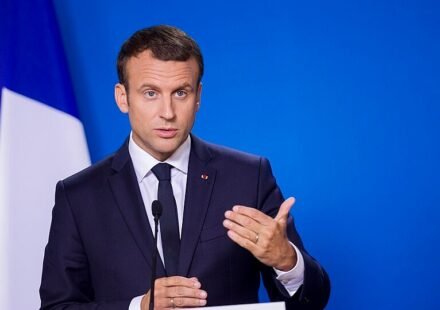
French President Emmanuel Macron has promised concrete government measures to address student grievances after weeks of demonstrations over underfunded schools, poor learning conditions and unequal access to higher education intensified into a wider wave of unrest across France.
Speaking during a visit to Marseille on Monday, Macron said he had instructed his government to respond to the demands behind the protests. Prime Minister Sébastien Lecornu and other officials were expected to outline measures following discussions with student representatives. The announcement comes as the government faces growing pressure to address concerns that have spread beyond classrooms into a broader debate about living costs, public services and social inequality.
Students Demand Better Schools and Fairer Opportunities
The demonstrations began in mid-September, when high school students started organising boycotts, blockades and protests over deteriorating school conditions.
Students have called for more teachers, smaller classes, improved school buildings and changes to teaching schedules. They have also raised concerns about Parcoursup, France's national online university admissions platform, arguing that its selection procedures can disadvantage students and restrict access to their preferred courses.
For many demonstrators, the dispute goes beyond individual school policies. They say unequal resources between communities can affect the quality of education students receive and the opportunities available to them after graduation.
The government has already announced plans to deploy 3,000 additional substitute teachers to address staffing shortages in struggling high schools. However, students continue to demand a broader response to problems involving funding, infrastructure and access to education.
Protests Expand Into Wider Social Unrest
What began as a student-led movement has attracted support from trade unions, workers and activists associated with France's Yellow Vest protest movement.
Demonstrators have increasingly connected school funding concerns with rising living costs, pressure on public services and the perception that younger generations face uncertain economic prospects.
The unrest reached a particularly serious point on October 17, when demonstrations in several cities were accompanied by fires, looting, clashes with police and damage to public buildings. In Marseille, protesters briefly entered the city hall during the disorder.
Subsequent demonstrations were generally less violent, although authorities continued to prepare for further disturbances. On October 24, police were deployed in large numbers across the country as unions and protesters organised additional rallies. The government reported 1,435 arrests during that day's demonstrations, highlighting the scale of the security operation.
The distinction between peaceful demonstrators and people involved in violence remains important. Students demanding education reforms are not necessarily involved in vandalism or clashes, and the wider movement includes groups with different priorities.
University Admissions Become a Central Issue
Parcoursup has emerged as one of the main points of disagreement between students and the government.
The platform is used to manage applications to higher education institutions across France. Critics argue that its selection criteria can be difficult to understand and that students from disadvantaged backgrounds may face greater barriers when competing for places in popular courses.
Students want a system that offers clearer decisions and fairer opportunities, alongside improvements to the resources available in schools.
Any changes will require the government to balance students' expectations with the capacity of universities, available funding and the demand for places in different academic programmes. Changes to admissions procedures alone may not resolve concerns if schools continue to face staff shortages, overcrowded classrooms or ageing facilities.
The government's response is therefore likely to be judged not only by what it announces but also by whether the measures improve students' everyday experiences.
Macron Faces Pressure Over Public Spending
The president's promise comes at a difficult time for the French government, which must respond to public dissatisfaction while dealing with strained public finances.
Expanding school staffing, renovating buildings and improving educational services would require funding and careful implementation. At the same time, the spread of protests has increased pressure on authorities to demonstrate that they are listening to public concerns.
The government must also manage the security consequences of the unrest without allowing enforcement measures to overshadow the issues that initially brought students onto the streets.
The protests have created a difficult balance for Macron: restoring public order is an immediate priority, but a response focused only on policing would leave the underlying educational and economic grievances unresolved.
Economic Consequences Reach Local Businesses
The unrest has also affected businesses in areas where demonstrations and violence have taken place.
Some shopkeepers have closed their premises as a precaution, while damaged property and disrupted shopping activity have added to the financial pressure on local businesses. Business representatives have warned that repeated disruption can reduce sales and discourage customers from visiting affected areas.
Further unrest could also disrupt transport, education and ordinary commercial activity. A sustained period of demonstrations would create additional uncertainty for businesses already dealing with higher operating costs.
A credible political response that reduces tensions could help restore confidence, although the pace of recovery will depend on whether protests subside and damaged areas return to normal activity.
What Happens Next?
The immediate test will be whether the government presents measures that students consider meaningful and whether those proposals lead to negotiations rather than further confrontation.
Student groups are likely to examine the details of any commitments on staffing, school facilities and university admissions. The effectiveness of the response will depend on implementation, available funding and the government's ability to demonstrate measurable improvements.
Authorities are also preparing for the possibility of further demonstrations. Interior Minister Laurent Nuñez has warned that disturbances could recur during protests planned for October 31. The government therefore faces both a policy challenge and an ongoing public-order concern.
Macron's pledge signals recognition that the crisis cannot be addressed through security measures alone. Whether it marks a turning point will depend on the substance of the announcements and the response from students, teachers and unions.
For young people across France, the central question remains whether the promised action will translate into better-funded schools, fairer educational opportunities and a more secure path into adult life.
Macron Condemns ‘Unbridled’ Violence During France Protests, Says Nothing Justifies It
French President Emmanuel Macron has condemned the violence that erupted during nationwide protests in France, declaring that nothing could justify the destruction and looting reported in several cities.
Addressing the nation on Sunday, October 18, Macron said the scenes of unrest had caused widespread anger and shame. He stressed that authorities must distinguish between people making legitimate demands and those involved in vandalism, destruction and looting.
“Nothing justifies it, nothing explains it, nothing excuses it,” Macron said, expressing his condemnation of the violence.
Macron Calls for Accountability
The French president said those responsible for destroying property must face consequences. He pledged that the government would take a firm approach towards people involved in violent acts.
Macron also promised support for businesses affected by the unrest and said senior officials would coordinate with mayors to protect cities, public buildings and commercial establishments.
He described the damage to streets and buildings as unacceptable and said the authorities needed to respond decisively.
Peaceful Protest and Violence Must Be Distinguished
Macron emphasised that people protesting over genuine concerns should not be treated in the same way as those engaging in criminal acts.
His remarks came amid demonstrations linked to rising living costs and other public grievances. While many people participated in peaceful protests, incidents of looting, vandalism and clashes were reported in multiple locations.
The president said the actions of those responsible for violence should not overshadow the demands of peaceful demonstrators.
Review of Security Response
Macron also called for greater transparency regarding the security forces’ response to the unrest.
He said he had asked Interior Minister Laurent Nuñez to examine whether there had been shortcomings in intelligence gathering and preparations before the demonstrations.
The review is intended to establish whether lessons need to be learned to improve the authorities’ handling of similar situations in the future.
Macron’s central message was that peaceful demonstrations and legitimate public demands must be distinguished from violence, and that those responsible for destruction should be held accountable.
Macron Vows Action Against ‘Sowers of Chaos’ as France Protests Turn Violent
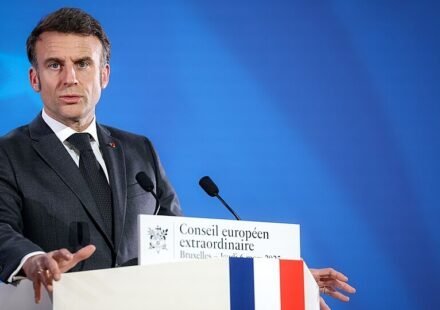
French President Emmanuel Macron has vowed strict action against people responsible for violence, looting and attacks on public buildings after nationwide protests over the cost of living and deteriorating public services escalated into unrest in several cities.
In a statement posted on social media late Saturday, Macron said those who attacked public institutions and businesses or took part in looting would face prosecution and punishment. He also condemned what he described as “sowers of chaos,” accusing them of undermining public institutions and preventing peaceful demonstrators from expressing their demands.
The protests, held on October 17, brought together students, trade union members and other demonstrators across France. While many marches remained peaceful, some gatherings were overshadowed by clashes with police, fires and damage to shops and public buildings.
Paris Activates Crisis Response
Authorities in Paris faced a challenging security situation as unrest spread through parts of the capital. The supplied report says the city activated a crisis unit amid the nationwide demonstrations.
Police used tear gas during confrontations with groups of protesters, while some businesses were reportedly looted and vehicles set on fire. Public buildings and commercial properties were also targeted in other French cities.
The incidents prompted renewed concerns about maintaining public order while protecting the right to peaceful assembly.
Hundreds Arrested as Violence Spreads
French authorities reported around 400 arrests following violent incidents during Saturday’s demonstrations, according to reports published after the protests. The precise number may change as police operations and investigations continue.
Violence was reported in several cities, including Paris, Lyon, Marseille and Limoges. In Limoges, the city hall was set ablaze, while other public and commercial buildings suffered damage elsewhere.
The unrest has also raised concerns about injuries to demonstrators and police officers. Questions about police tactics and the use of crowd-control weapons have added to tensions surrounding the protests.
Rising Living Costs Fuel Public Anger
The demonstrations grew out of student-led protests that began in and around Paris last month. Initial concerns about teacher shortages and poor school facilities developed into broader demands involving living costs, public spending, inequality and the quality of public services.
Students, unions and other groups have expressed frustration over economic pressures and what they see as inadequate government action. The demonstrations have also revived memories of France’s earlier Yellow Vest movement, which mobilised citizens against living costs and government economic policies.
Although the protests have included a range of political and social demands, the violence has complicated efforts to distinguish peaceful demonstrators from people involved in criminal acts.
Government Defends Peaceful Protest, Condemns Violence
Macron said peaceful demonstrations have a legitimate place in French democracy but insisted that attacks, arson and looting would not be tolerated. He also expressed support for law-enforcement personnel responsible for protecting public order.
Prime Minister Sébastien Lecornu similarly condemned the violence and warned that the government would not allow political groups or individuals to use unrest to impose their agenda.
The government now faces the challenge of responding firmly to criminal activity while addressing the grievances that brought large numbers of people onto the streets.
Political Pressure Builds Ahead of Elections
The latest unrest comes as France faces mounting economic and political pressures ahead of the 2027 presidential election. The protests highlight divisions over living standards, public services, government spending and the direction of national policy.
The coming days will be important in determining whether tensions ease or further demonstrations take place. Investigations into the attacks and damage are expected to shape the authorities’ response.
For Macron’s government, the immediate priorities are restoring public order, holding those responsible for violence accountable and preventing further escalation without undermining the right to peaceful protest.