
Kyiv Endures Fresh Russian Missile Barrage as Energy and Transport Links Come Under Fire

Ukraine's capital Kyiv and surrounding regions faced another major wave of Russian attacks overnight, with Moscow claiming it had struck military-industrial facilities, energy installations and transport infrastructure. Ukrainian officials, meanwhile, reported damage to residential buildings, injuries and fresh disruption to essential services as the country braces for winter.
Russia's Defence Ministry said its forces carried out a large-scale overnight operation against what it described as facilities supporting Ukraine's military capabilities. The claimed targets included the Northern Bridge in Kyiv, the Meridian industrial plant and several energy and industrial installations across the wider region.
The Ukrainian account highlighted the impact on the capital and its residents. Kyiv Mayor Vitali Klitschko said the overnight assault damaged energy infrastructure and affected the city's heating and water supply systems. The situation surrounding electricity supplies was described by the mayor as extremely difficult.
Russia outlines targets of overnight operation
In its statement, Russia's Defence Ministry said the Northern Bridge was among the targets hit in Kyiv. Moscow alleged that the crossing was being used to move weapons, military equipment and vehicles for the Ukrainian armed forces.
The ministry also claimed that the Meridian plant, which it said was involved in producing Flamingo cruise missiles, had been struck. Russia further reported damage to energy and industrial facilities in the Kyiv region, including a power plant, an electricity substation and a facility associated with ammunition manufacturing.
Beyond the capital region, Moscow said its forces had hit an electricity substation in the Zhytomyr region. It also claimed to have struck a cargo vessel in the Black Sea that was allegedly transporting military equipment and dual-use goods to Ukraine.
These details represent the Russian military's account of the operation. Independent confirmation of the full list of targets and the extent of damage at each site was not immediately available.
Kyiv reports injuries and damage to civilian buildings
Ukrainian authorities described a night of repeated explosions as ballistic missiles approached the capital in several waves. The attacks began late on Friday, November 6, and continued into the early hours of Saturday.
Kyiv Mayor Vitali Klitschko reported that five people were injured in the city. A 14-year-old girl was among those hurt, while two people were taken to hospital, according to reports from Ukrainian officials.
The attack also damaged a five-storey residential building in the Solomianskyi district. Windows were shattered at another residential building, while a fire broke out at a non-residential property. A kindergarten building in the same district was also reported damaged.
In the surrounding Kyiv region, officials reported another injured person after a drone attack in the Brovary district damaged a home and caused a fire. The injured man was reportedly rescued from the damaged structure and taken to hospital with burns and shrapnel wounds.
The reports underline the risks faced by civilians even when Russia says its operations are directed at military or strategic infrastructure. The full assessment of damage and the possibility of further casualties remained subject to updates from emergency services.
Northern Bridge closed after reported damage
One of the most significant infrastructure consequences was the reported damage to Kyiv's Northern Bridge, also known as the Pivnichnyi Bridge.
Klitschko said the crossing had been closed to traffic in both directions while specialists examined its condition. The bridge is an important route across the Dnipro River, making the closure a concern for commuters and transport movement in the capital.
The mayor later described damage to the bridge's surface and to overhead trolleybus and power lines. Vehicles parked near the crossing were also reportedly affected by the blast wave.
The closure could complicate movement between parts of the city while repair and safety assessments are carried out. Authorities had not provided a confirmed timeline for reopening the crossing.
Energy pressure deepens ahead of winter
Damage to energy infrastructure is particularly serious as Ukraine approaches the colder months. Russia has repeatedly targeted power generation and distribution facilities during the war, while Ukrainian authorities have warned that attacks on substations and other equipment can create problems even when electricity generation remains available.
Klitschko said the latest strike had affected heating and water supply systems in Kyiv. Such disruptions can have consequences beyond electricity access, particularly for apartment buildings, hospitals, public services and households that rely on central heating.
President Volodymyr Zelenskyy had warned on Friday that Ukrainian intelligence indicated Russia was preparing further attacks on energy facilities, bridges and civilian infrastructure. He said the country's air force and armed forces were preparing to defend against the expected assault.
Zelenskyy also renewed his appeal to international partners to speed up deliveries of missiles for US-made Patriot air defence systems. These systems are among Ukraine's key tools for intercepting ballistic missile threats, although supplies and delivery schedules remain major challenges.
Attack comes days before planned diplomatic talks
The latest bombardment also comes at a sensitive diplomatic moment. Ukraine, Russia and the United States are expected to take part in another round of talks in Abu Dhabi on Tuesday, November 10, aimed at exploring a possible path towards ending the war.
The planned meeting would follow earlier rounds of negotiations that have failed to resolve major disagreements, particularly over territory and security arrangements. The latest attack is likely to add pressure to an already difficult diplomatic process.
The Ukrainian government has continued to seek stronger security guarantees and additional military support from its Western partners. Moscow, meanwhile, maintains that its strikes are aimed at military-related facilities and infrastructure supporting Ukraine's armed forces.
For residents of Kyiv, the immediate concerns are more practical: restoring damaged services, assessing the safety of buildings and reopening transport routes. Emergency and technical teams are expected to continue inspections and repair work as authorities establish the full consequences of the overnight operation.
Conflicting accounts remain under examination
The two sides have presented different emphases in their accounts of the attack. Russia has highlighted alleged military-industrial and logistical targets, while Ukrainian officials have reported damage to homes, a kindergarten, transport infrastructure and energy services.
The precise extent of damage to the facilities named by Moscow has not been independently verified. Nor was there an immediate comprehensive assessment of all missile and drone activity across the affected regions.
What is clear from the initial reports is that the overnight operation added to the pressure on Kyiv's infrastructure and civilian population. With winter approaching and diplomatic discussions due to resume, the attack highlights how military escalation continues alongside efforts to find a negotiated end to the conflict.
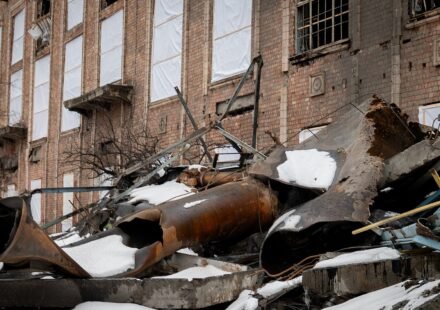
Russian Strikes Leave Hundreds of Thousands Without Electricity as Ukrainian Drones Hit Industrial Site
Hundreds of thousands of households across Ukraine were left without electricity on Sunday after Russian strikes hit energy infrastructure in four regions, while Russian authorities reported significant damage to an industrial facility following a large Ukrainian drone attack in the Nizhny Novgorod region. The parallel attacks highlighted the continuing vulnerability of energy and industrial infrastructure as the war between the two countries enters another difficult phase.
Ukrainian President Volodymyr Zelenskyy said Russian forces attacked electricity infrastructure overnight in Dnipropetrovsk, Vinnytsia, Zhytomyr and Khmelnytskyi regions. The affected facilities included substations, transformers and power lines that supply electricity to homes and other users.
Repair crews were working to restore electricity, but hundreds of thousands of families remained without power as of Sunday morning, according to Zelenskyy. The outages added pressure to Ukraine’s already strained energy system after repeated attacks during the war.
Four Ukrainian Regions Face Electricity Disruptions
The latest attacks affected several parts of Ukraine’s electricity network, raising immediate concerns about the reliability of power supplies for households and essential services.
Substations and transformers are crucial for moving electricity through the grid and delivering it to homes, businesses and public facilities. Damage to these components can interrupt supplies even when electricity generation remains available elsewhere.
Zelenskyy said repair teams had been deployed to affected locations. The speed of restoration will depend on the extent of the damage, the availability of replacement equipment and whether repair workers can safely access the affected infrastructure.
Power interruptions can have consequences beyond household lighting. Hospitals, communications networks, water systems, public transport and businesses may also face disruption when electricity supplies are interrupted. The extent of any such effects from Sunday’s attacks had not been fully established in the information available at the time of reporting.
The latest outages are particularly concerning as Ukraine continues to defend its energy infrastructure against missile and drone attacks. Repeated damage can make the grid more difficult to operate because repairs must be carried out while other components remain under pressure.
Zelenskyy Warns About Air Defence Shortages
Zelenskyy said Russia was attempting to take advantage of Ukraine’s shortage of ballistic-missile interceptors. He renewed calls for Ukraine’s international partners to provide air-defence equipment and ensure that promised deliveries arrive quickly.
Ukraine has relied on international military support to defend its cities and critical infrastructure against Russian aerial attacks. Interceptor missiles are an important part of protecting high-value targets, although the effectiveness of air defence depends on the type and number of incoming weapons, the systems available and the areas that need protection.
Zelenskyy also reported that Russia had launched large numbers of attack drones, guided aerial bombs and missiles against Ukraine over the preceding week. The figures he provided underscored the scale of the aerial campaign, although the full impact varies between individual attacks and locations.
The latest damage illustrates a difficult calculation for Ukraine: air-defence resources must be distributed across cities, military positions and energy infrastructure, while Russian forces continue to attack multiple areas.
Ukrainian Drone Attack Damages Russian Industrial Facility
At the same time, authorities in Russia’s Nizhny Novgorod region reported significant damage to an industrial facility following a large overnight drone attack.
Regional Governor Gleb Nikitin said the attack had struck an industrial enterprise in the Kstovo district. He did not publicly identify the facility in his initial announcement. Russian authorities said more than 100 drones had been destroyed during the overnight operation and reported no casualties in the initial information.
The region is home to the NORSI oil refinery, a major Russian fuel-processing site. Ukrainian media reports said the refinery may have been targeted, but Russian authorities had not confirmed that the damaged industrial facility was the refinery. The identity of the site and the full extent of the damage therefore remained uncertain.
Authorities also said they were taking steps to maintain fuel supplies at petrol stations and urged motorists to avoid panic buying. That warning raised questions about whether the incident could affect regional fuel operations, although it did not establish that fuel production had been interrupted.
The reported attack came amid Ukrainian efforts to strike facilities inside Russia that Kyiv considers connected to Moscow’s war effort. Such operations can force Russian authorities to devote resources to air defence, emergency response and repairs far from the front line.
Kyiv Also Reports a Strike on a Russian Plant
Zelenskyy said Ukraine had struck the Kamensky plant in Russia’s Rostov region, describing it as an enterprise involved in manufacturing Russian missiles. He said the attack had caused substantial damage. Moscow had not commented on the reported strike at the time of the available reporting, so the extent of the damage could not be independently established from the public information cited here.
The reported strike and the damage in Nizhny Novgorod were separate developments. The available information did not establish that the same facility was involved in both incidents.
Attacks on industrial and energy infrastructure have become an important part of the conflict, with each side seeking to reduce the other’s capacity to sustain military operations and maintain essential supplies. However, the immediate military or economic consequences of an individual strike can be difficult to assess before damage inspections and operational updates become available.
Why Energy Infrastructure Matters
Electricity is essential to civilian life and the functioning of the economy. Large-scale outages can interrupt household routines, affect industrial production and create additional costs for businesses that need backup power.
For Ukraine, restoring electricity after repeated attacks requires repair equipment, trained crews and access to replacement components. If damage occurs at multiple locations at once, the challenge becomes more complex because repair teams and resources must be allocated across different regions.
Damage to industrial facilities in Russia can create a different set of pressures. Depending on the site’s function and the seriousness of the damage, an attack may interrupt production, require costly repairs or lead authorities to strengthen security. In the case of the Nizhny Novgorod incident, the facility had not been officially identified, so its precise economic impact remained unclear.
The two developments also demonstrate how the war can affect civilians far from active ground combat. Ukrainian families faced electricity disruptions, while Russian authorities responded to an attack on an industrial site and took steps to reassure motorists about fuel availability.
Fighting Continues Despite Local Ceasefire
The latest aerial attacks took place as a six-day local ceasefire around the Russian-controlled Ukrainian town of Oleshky reached its final day. The limited arrangement did not bring a broader halt to fighting or long-range attacks elsewhere, according to reporting on Sunday’s developments.
The continued attacks underline the limits of local arrangements when the wider conflict remains unresolved. Even when fighting pauses in a specific area, energy infrastructure and industrial facilities elsewhere may remain exposed.
For residents affected by the power cuts, the immediate priority is the restoration of electricity and the protection of essential services. In Russia, attention is focused on assessing the damage to the unidentified industrial facility and ensuring that local fuel supplies remain stable.
What is confirmed: Zelenskyy reported Russian attacks on energy infrastructure in four Ukrainian regions and widespread electricity outages. Russian regional authorities separately reported significant damage to an industrial facility in Nizhny Novgorod after a drone attack.
What remains uncertain: The exact identity of the damaged Nizhny Novgorod facility, the full extent of the damage at the reported Russian targets and the time required to restore all affected Ukrainian electricity supplies.