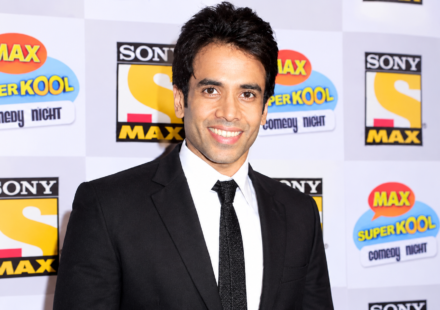
Tusshar Kapoor Receives ₹5 Crore Extortion Threat, Police Suspect Impersonation

Bollywood actor Tusshar Kapoor has reportedly received an extortion threat demanding ₹5 crore from a caller who claimed to be associated with the Lawrence Bishnoi gang. However, a preliminary examination of the threatening audio has raised doubts about the caller’s identity, with Mumbai Police suspecting that someone may have used the gang’s name to intimidate the actor and demand money.
The incident has drawn attention to the risks posed by criminals who allegedly impersonate members of organised gangs to frighten prominent personalities. Investigators are now attempting to trace the person behind the threatening communication and establish whether the caller had any genuine connection to the gang.
According to information reported on November 3, 2026, Kapoor informed Mumbai Police about the alleged threat. The matter was subsequently taken up by the Crime Branch and its Anti-Extortion Cell, which are examining the available evidence.
Caller Allegedly Demanded ₹5 Crore
The caller reportedly introduced himself as Harry Boxer, a person alleged to be associated with the Lawrence Bishnoi gang. During the communication, the individual allegedly demanded ₹5 crore from Kapoor.
The demand has become the central focus of the investigation. In an extortion attempt, a person seeks money through threats, intimidation or pressure. Investigators must establish not only who made the demand but also whether the threat was genuine, whether the caller had the ability or intention to carry it out, and whether anyone else was involved.
In this case, the caller’s claimed identity remains unverified. Using the name of a known criminal organisation does not, by itself, establish that a threat originated from that group.
Police are therefore examining the communication rather than accepting the caller’s claim at face value. Identifying the person responsible will be important in determining the motive behind the demand and whether the incident involved an attempt to exploit the gang’s reputation.
Voice Analysis Raises Questions About the Caller
One of the most significant developments in the preliminary investigation has been the examination of the threatening audio recording.
The Crime Branch’s technical team reportedly compared the voice in the recording with available reference samples associated with Harry Boxer. According to information attributed to police sources, the two recordings did not match.
This finding has strengthened suspicions that the caller may have been impersonating the alleged gang member. Investigators are considering the possibility that an unidentified person used a recognisable criminal name to create fear and pressure the actor into paying money.
However, a mismatch between two voice recordings does not, on its own, establish the caller’s identity or reveal the full circumstances of the alleged extortion attempt. The investigation must still determine who sent or made the communication and whether the person acted alone.
The preliminary findings also do not establish that the Lawrence Bishnoi gang was responsible for the threat. Until investigators obtain further evidence, the alleged connection should be treated as an unverified claim made by the caller.
Mumbai Police Continue Efforts to Trace the Source
The investigation is focused on identifying the person behind the threatening communication. The Crime Branch and Anti-Extortion Cell are reportedly examining the available audio and working to establish its origin.
Tracing the source of a threat can involve examining communication records, relevant technical information and other evidence that may help investigators identify a suspect. The precise steps taken in this case have not been fully disclosed publicly.
As of November 3, reports indicated that a First Information Report, or FIR, had not been registered. The absence of an FIR at that stage does not mean the complaint has been dismissed or that investigators have established the threat was harmless. It means the publicly reported investigation had not yet reached that formal stage.
The next important developments will be whether investigators identify a suspect, obtain evidence supporting the alleged extortion attempt and determine whether the caller had any connection to an organised criminal group.
Kapoor’s security has also reportedly been strengthened following the threat. Authorities will need to assess the credibility of the communication as they continue their inquiry.
Why Impersonation Can Make Extortion Threats Difficult to Assess
The case highlights a wider challenge for law enforcement: distinguishing a genuine threat from an attempt to exploit the reputation of a criminal organisation.
A caller may use the name of a well-known gang because the association itself can create anxiety. A target may fear that refusing to pay could lead to physical harm, even when the caller has not demonstrated a genuine connection to the group.
For investigators, this makes verification particularly important. A claim of affiliation must be supported by evidence rather than accepted solely because a caller uses a particular name. Audio analysis can provide one useful investigative lead, but other evidence may be needed to establish the source, motive and seriousness of a threat.
For people receiving suspicious calls or messages, the incident also underlines the importance of preserving evidence and reporting threats to the authorities. Attempting to negotiate with an unidentified caller or transferring money without verification can expose a victim to further demands.
Members of the public should avoid circulating unverified recordings or identifying individuals as members of a criminal organisation without reliable evidence. Such claims can spread misinformation and complicate efforts to establish what actually happened.
What the Case Means for Tusshar Kapoor
For Kapoor, the immediate issue is the investigation into the alleged demand for ₹5 crore and the credibility of the threat. The reported voice mismatch offers a reason to question the caller’s claimed identity, but it does not yet provide a complete explanation of the incident.
The actor has reportedly brought the matter to the attention of Mumbai Police, allowing investigators to examine the communication and pursue the person responsible.
The outcome will depend on the evidence collected during the inquiry. If investigators identify the caller, they may be able to determine whether the incident involved deliberate impersonation, an attempted extortion scheme or another form of intimidation.
At present, there is no publicly established evidence confirming that the Lawrence Bishnoi gang issued the demand. The police investigation remains important both for identifying the alleged caller and for assessing whether any continuing security risk exists.
The key question is no longer simply who the caller claimed to be, but who was actually behind the ₹5 crore demand. Until that question is answered through evidence, the alleged gang connection and the precise circumstances of the threat remain matters under investigation.