Meloni Calls Trump’s Russia Diesel Deal a ‘Very Risky Choice’ Amid Ukraine War

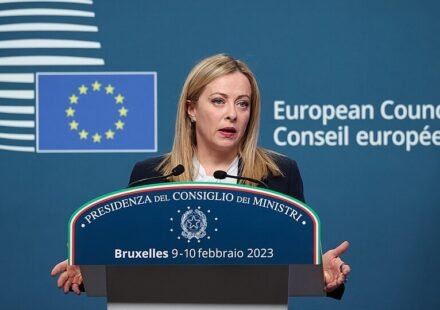
Italian Prime Minister Giorgia Meloni has criticised a diesel supply agreement between the United States and Russia, describing the move as a “very risky choice” that could undermine Western efforts to pressure Moscow to negotiate an end to the war in Ukraine.
Speaking to Italy’s parliament on Wednesday ahead of a European Union summit, Meloni questioned whether the agreement would deliver meaningful benefits while warning that it could provide Russia with additional revenue as its war against Ukraine continues.
The remarks highlight growing tensions between energy security priorities and the sanctions imposed on Russia following its full-scale invasion of Ukraine in February 2022.
What Is the US–Russia Diesel Deal?
According to Reuters, the United States and Russia agreed last week that Moscow would initially supply more than 300,000 metric tonnes of diesel to US and global markets.
US President Donald Trump has defended the arrangement, arguing that additional fuel supplies could help bring down energy prices. Fuel costs have become a significant political and economic concern in the United States.
However, the deal has raised questions about the relationship between Washington’s energy policy and its broader strategy towards Russia’s war in Ukraine.
The precise arrangements, including how much fuel will ultimately reach particular markets, remain important factors in assessing the deal’s impact.
Why Meloni Is Concerned
Meloni told lawmakers that the benefits of the agreement were uncertain, while its risks were clearer. She argued that the arrangement could lend legitimacy to Moscow, generate additional revenue for Russia’s war effort and weaken the effectiveness of sanctions.
Her criticism reflects a wider European concern that commercial arrangements with Russia could complicate efforts to increase pressure on President Vladimir Putin.
Meloni’s comments were made ahead of an EU summit at which leaders were expected to discuss the war, European security and the bloc’s response to Russian activities.
Ukraine Also Criticises the Agreement
Ukrainian President Volodymyr Zelenskyy has also criticised the diesel arrangement, describing it as an investment in prolonging the war.
Ukraine has repeatedly urged Western partners to maintain economic pressure on Russia, arguing that revenue from energy exports helps Moscow sustain its military operations.
The controversy comes as Ukrainian cities and energy infrastructure continue to face Russian attacks. European governments are also concerned about cyberattacks, sabotage and other activities they attribute to Russian-linked operations.
Trump Defends the Energy Decision
Trump has presented the agreement as a way to increase fuel availability and ease prices. His administration’s position reflects the pressure governments face when energy shortages and rising prices affect households and businesses.
Critics, however, question whether the arrangement will provide substantial relief to consumers and whether any economic benefits would justify the geopolitical risks.
The agreement has also drawn criticism from lawmakers in the United States, where concerns have been raised about sanctions and the legal basis for permitting Russian energy supplies.
Meloni Calls for a Stronger European Role
Beyond the diesel agreement, Meloni urged European Union countries to appoint an authoritative representative to negotiate on the Russia–Ukraine conflict.
She also suggested that France, Germany and the United Kingdom—the E3 group—could act with a formal mandate on behalf of the wider European Union if those countries were to take the lead in negotiations.
Her proposal reflects a debate within Europe over how the bloc can coordinate its diplomatic efforts and strengthen its influence in discussions about the future of the war.
Meloni additionally called for stronger protection of critical infrastructure, including energy networks, ports, airports and undersea cables, amid concerns about hybrid threats.
What Happens Next?
The impact of the diesel deal will depend on the quantity of fuel delivered, the markets it reaches and its effect on prices. Its broader political consequences will depend on how Washington and its European partners balance energy needs with their policies towards Russia.
Meloni’s criticism makes clear that the agreement is not simply a commercial arrangement: it has become part of a wider debate about sanctions, energy security and Western unity over Ukraine.