Maruti Suzuki EV Exports Cross 50,000 Units, Reaching 93% Share

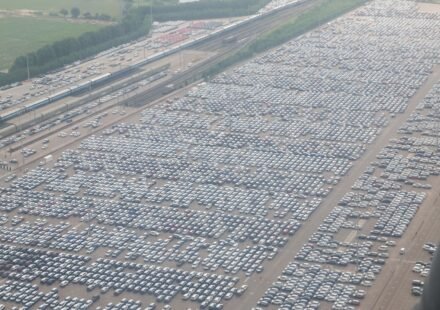
Maruti Suzuki India has crossed a major milestone in its electric vehicle business, exporting more than 50,000 electric cars since beginning international shipments in August 2025. The achievement highlights the growing role of Indian manufacturing in the global electric vehicle market and comes as demand for advanced automotive technology continues to expand.
The company also accounted for nearly 93% of India's electric passenger vehicle exports between April and September 2026, according to industry data cited in published reports. Its electric vehicles are now being shipped to approximately 50 countries, with Europe remaining the largest overseas market.
The milestone is significant for India's automotive industry because it demonstrates that domestic manufacturing facilities can supply electric vehicles to customers beyond the home market. It also gives Maruti Suzuki an opportunity to expand its international presence while developing its capabilities in electric mobility.
e VITARA Leads Maruti Suzuki’s Electric Export Push
The company's export journey for electric vehicles began in August 2025 with the introduction of the e VITARA, Suzuki's first global battery-electric vehicle.
The model is manufactured at Maruti Suzuki's Hansalpur facility in Gujarat, which serves as the dedicated production base for the vehicle. From there, the company has expanded shipments to markets including the United Kingdom, Norway, Germany, Japan and Switzerland.
Europe remains the largest destination for these exports. The region's established electric vehicle market, charging infrastructure and emissions policies provide an important opportunity for manufacturers seeking to increase international sales of battery-powered cars.
Crossing the 50,000-unit mark in a little over a year gives Maruti Suzuki a stronger foundation for future export growth. However, maintaining that momentum will depend on demand in individual markets, competition from other electric vehicle brands and the company's ability to deliver vehicles that meet local regulations and customer expectations.
What the 93% Export Share Means
Maruti Suzuki's reported 93% share of India's electric passenger vehicle exports during April–September 2026 illustrates how concentrated the country's EV export shipments were around the company during that period.
The figure refers specifically to electric passenger vehicle exports, not India's entire electric vehicle market. It should not be interpreted as a 93% share of domestic EV sales or of all vehicle exports.
The distinction matters because exports and domestic sales reflect different market conditions. A manufacturer may have a large share of overseas shipments while facing different competitive pressures in its home market.
For India, the export performance points to an opportunity to build a stronger position in the international electric vehicle supply chain. Successful exports can support factory utilisation, supplier activity and employment while helping manufacturers develop experience in global markets.
Nevertheless, one company's export share does not by itself establish that India has become a leading producer of every category of electric vehicle. Continued investment, technology development and a broader range of competitive models will be important to sustaining progress.
Gujarat Factory Supports the Expansion
The Hansalpur manufacturing facility is central to Maruti Suzuki's EV export strategy. The company has invested approximately ₹25,288.7 crore in the facility, which has recently expanded its annual production capacity to one million vehicles across its operations.
The plant is also an important part of the company's wider export network. During the 2025–26 financial year, it accounted for nearly half of Maruti Suzuki's total overseas vehicle shipments, according to published reports.
Manufacturing vehicles at scale can help a company manage production costs, coordinate suppliers and meet export orders more efficiently. A large production base can also provide flexibility as demand changes between domestic and international markets.
For Gujarat, the facility represents a significant industrial investment, supporting the broader ecosystem of automotive suppliers, logistics providers and manufacturing services.
However, higher production capacity does not automatically translate into higher exports or profits. The company must match output to demand while managing component costs, shipping expenses and the different technical requirements of international markets.
Competition in the Global Electric Vehicle Market
The international EV market is becoming increasingly competitive. Manufacturers from China, Europe, South Korea, Japan and other countries are expanding their electric vehicle portfolios, while established automakers are investing in batteries, software, power electronics and charging-related technologies.
For Maruti Suzuki, the challenge will be to establish the e VITARA and future electric models in markets where customers have a growing choice of brands and vehicle types.
Factors such as driving range, charging speed, safety, reliability, pricing and after-sales support can influence a vehicle's performance in overseas markets. Import duties, incentives and local regulations may also affect competitiveness.
The company's existing manufacturing scale and export experience could provide advantages, but long-term success will depend on how well its products meet the needs of individual markets.
What This Means for India's Automotive Industry
The 50,000-unit milestone provides evidence that Indian factories can supply battery-electric passenger vehicles to a growing number of international destinations.
A sustained export business could benefit the domestic automotive ecosystem by increasing demand for components, encouraging investment in production technology and giving Indian suppliers opportunities to participate in international supply chains.
It could also strengthen India's efforts to expand manufacturing and reduce dependence on imported finished vehicles in some market segments. The wider economic impact, however, will depend on how much value is created domestically, including through components, engineering, research and supplier development.
The next stage will require manufacturers to continue improving vehicle technology while building reliable supply chains for batteries and other key components. Charging infrastructure and access to raw materials will remain important issues across the global EV industry.
The Road Ahead
Maruti Suzuki's EV exports crossing 50,000 units marks an important early milestone for its international electric vehicle programme. Its reported 93% share of India's electric passenger vehicle exports during the first half of the 2026–27 financial year further demonstrates the scale of its current export position.
The company's priorities will now include expanding production where demand supports it, strengthening overseas distribution and maintaining competitiveness as more electric models enter the market.
For India, the broader opportunity is to turn vehicle exports into a sustained manufacturing advantage. That will require more than shipment growth: technology, product quality, supplier capabilities and long-term demand will all help determine whether the current momentum can continue.