Florida Declares State of Emergency in 25 Counties as Tropical Storm Isaias Strengthens

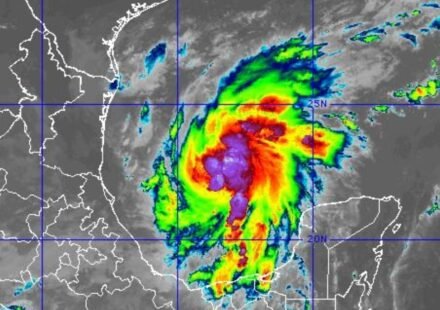
Florida has declared a state of emergency in 25 counties as Tropical Storm Isaias strengthens over the Gulf of Mexico and threatens parts of the northern Gulf Coast.
Florida Gov. Ron DeSantis signed Executive Order 26-202 on October 6, initially declaring an emergency ahead of Tropical Depression Nine. The system strengthened into Tropical Storm Isaias on Wednesday as forecasters warned that it could continue intensifying and potentially become a hurricane before reaching the U.S. Gulf Coast.
25 Florida counties under emergency declaration
The emergency declaration covers counties across Florida's Panhandle, Big Bend and parts of North Florida. They are Baker, Bay, Calhoun, Columbia, Dixie, Escambia, Franklin, Gadsden, Gilchrist, Gulf, Hamilton, Holmes, Jackson, Jefferson, Lafayette, Leon, Liberty, Madison, Okaloosa, Santa Rosa, Suwannee, Taylor, Walton, Wakulla and Washington.
The declaration allows state agencies to mobilize personnel and emergency resources ahead of the storm's potential impacts.
Florida's State Emergency Response Team has been positioning generators, fuel, flood barriers, drinking water, meals, tarps and sandbags in areas including Tallahassee and Santa Rosa County.
Isaias could strengthen into a hurricane
The National Hurricane Center is forecasting additional strengthening as Isaias moves across the Gulf. The storm is expected to turn northward and could reach hurricane strength before approaching the northern Gulf Coast later this week.
Current forecasts indicate that landfall could occur along the northern Gulf Coast late Friday or early Saturday, although the exact track and intensity can still change.
The storm was producing maximum sustained winds of around 40–45 mph on Wednesday, with forecasters warning that conditions could deteriorate as the system strengthens.
Heavy rain, flooding and storm surge threats
Officials are preparing for several potential hazards, including heavy rainfall, strong winds, coastal flooding and isolated tornadoes.
Forecasts call for roughly 3 to 6 inches of rain along parts of the Gulf Coast, with isolated totals potentially reaching 10 inches. Such rainfall could increase the risk of flash and urban flooding, particularly because parts of North Florida have already experienced significant recent rainfall.
A hurricane watch has also been issued for portions of the northern Gulf Coast, while authorities are warning residents to monitor official forecasts as the storm's track develops.
Florida urges residents to prepare
State officials are urging residents in potentially affected areas to review their emergency plans, keep supplies ready and follow updates from local and state emergency-management authorities.
The emergency declaration is intended to give Florida agencies time to position equipment and personnel before the storm's strongest impacts arrive.
Isaias is developing unusually late in the Atlantic hurricane season. If it becomes a hurricane, it could become the first Atlantic hurricane of the 2026 season and potentially approach a record for the latest first hurricane formation in more than a century.
The storm remains a developing weather event, and its projected path and intensity may change as it moves through the Gulf.