Mahmoud Khalil Appeals to US Supreme Court Over Immigration Detention Powers

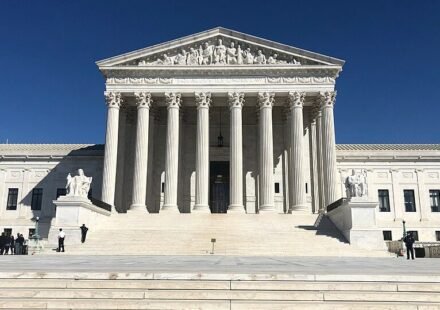
Palestinian activist Mahmoud Khalil has asked the US Supreme Court to clarify whether federal judges can promptly review immigration-related detentions, challenging a legal ruling that could allow the Trump administration to arrest and deport him again.
Khalil’s lawyers filed the appeal on Monday, arguing that people should be able to seek judicial protection when they claim immigration authorities have detained them unlawfully, including in cases involving constitutionally protected speech.
The case could have implications beyond Khalil himself, as federal appeals courts have reached conflicting conclusions over when judges can intervene in immigration detention disputes.
Legal Battle Over Judicial Review
Khalil is challenging a ruling by the 3rd US Circuit Court of Appeals, which concluded that federal district courts could not review his detention claims through the route he had used before immigration proceedings were completed.
His legal team wants the Supreme Court to overturn that decision and establish that immigration law does not prevent people from bringing constitutional claims before federal judges when they allege their detention is unlawful.
The dispute centres on the relationship between immigration procedures and the federal courts’ authority to protect constitutional rights. Khalil’s lawyers argue that people should not have to wait through lengthy immigration proceedings before seeking relief from detention they believe violates the Constitution.
The Supreme Court has not yet announced whether it will hear the case.
Why Mahmoud Khalil Was Detained
Khalil, a former Columbia University graduate student and prominent figure in pro-Palestinian campus activism, was arrested by immigration authorities in March 2025.
He was a lawful permanent US resident at the time. The Trump administration argued that his presence in the country could harm US foreign policy interests, citing his involvement in demonstrations at Columbia University in 2024.
Khalil and his supporters have maintained that the case raises concerns about freedom of expression and the treatment of people involved in pro-Palestinian activism.
A federal district judge ordered his release in June 2025 after he had spent more than three months in detention. The 3rd Circuit later overturned that decision, ruling that the lower court lacked jurisdiction to consider his claims through the legal process he had pursued.
Khalil remains free under a court order preventing his immediate re-detention while the legal challenge proceeds.
Conflicting Court Rulings Raise Stakes
The Supreme Court appeal comes amid disagreement among federal appeals courts over whether district judges can intervene in similar immigration detention cases.
A separate ruling by the 4th US Circuit Court of Appeals supported the release of Georgetown University scholar Badar Khan Suri, who was also detained amid the administration’s actions against pro-Palestinian advocates.
The difference between the rulings could increase the likelihood that the Supreme Court considers the issue. When federal appeals courts disagree on a legal question, the Supreme Court may step in to establish a consistent nationwide interpretation.
However, the court accepts only a small proportion of the appeals it receives, and there is no guarantee that it will hear Khalil’s case.
What Happens Next?
If the Supreme Court agrees to hear the appeal, the justices could examine the limits of federal courts’ authority in immigration detention cases and how those limits interact with constitutional claims.
A ruling could affect how quickly people in comparable situations can challenge detention, although the precise consequences would depend on the court’s reasoning.
For Khalil, the immediate issue is whether the legal protections that allowed him to remain free will continue and whether the administration can move forward with another attempt to detain and deport him.
The case places immigration enforcement, judicial oversight and freedom of expression at the centre of a significant legal dispute. Its outcome could help define how the US legal system handles future challenges involving detention and alleged violations of constitutional rights.