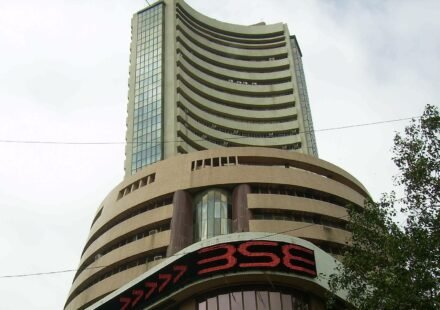
Dalal Street Sees Powerful Rally as Sensex Surges Past 1,300 Points; Nifty Approaches 25,400

Indian equity markets witnessed a strong rally on Wednesday as benchmark indices surged during morning trading, with the BSE Sensex climbing more than 1,300 points and the NSE Nifty 50 moving towards the 25,400 mark. Heavy buying in major companies, including IndiGo, Mahindra & Mahindra (M&M) and State Bank of India (SBI), helped lift market sentiment.
The sharp rise came after the stock market reopened following the Diwali holiday. Investors returned to the market with renewed buying interest, pushing benchmark indices towards levels not seen in several months.
The Sensex advanced sharply from its previous closing level, while the Nifty crossed the 25,300 zone and approached 25,400 during the session. The rally reflected broad participation across several major sectors rather than gains limited to a small group of companies.
IndiGo, M&M and SBI lead the buying
Shares of IndiGo, the country's largest airline by market share, featured among the leading gainers. The stock attracted buying interest as investors focused on the company's position in India's growing aviation market.
Mahindra & Mahindra also recorded strong gains. The automobile company's shares received support from positive sentiment towards the automobile sector and expectations surrounding vehicle demand.
State Bank of India was another prominent gainer. Buying in SBI contributed to the strength of banking shares, which have significant weight in the benchmark indices.
The performance of these companies helped strengthen the overall market, while other large-cap stocks also attracted investor attention.
Investors were particularly focused on banking, automobile, aviation and other heavyweight companies because movements in these stocks can influence the direction of the Sensex and Nifty.
Softer crude oil prices support market sentiment
One important factor behind the positive mood in Indian equities was the recent decline in international crude oil prices.
India imports a large share of the crude oil it consumes. Lower oil prices can reduce pressure on the country's import bill and potentially ease concerns about inflation, transportation costs and corporate expenses.
Oil prices had fallen to a two-month low on Tuesday, November 10, after developments surrounding US-Iran tensions reduced some concerns about further disruption to energy supplies. Brent crude subsequently recovered slightly during Wednesday's early trade.
For Indian markets, the movement in crude prices is particularly important because higher oil costs can affect the rupee, government finances and the profitability of businesses that depend heavily on fuel.
A relatively favourable oil-price environment can therefore improve investor confidence in sectors such as aviation, transport and manufacturing.
Foreign investment adds support
Renewed buying by foreign investors has also helped improve sentiment towards Indian equities.
Foreign portfolio investors play an important role in the domestic stock market. Their purchases can increase demand for large companies and provide additional support to benchmark indices.
Recent trading trends have indicated a return of foreign buying interest in Indian shares. Domestic corporate earnings and improving expectations for future business performance have also contributed to the positive outlook.
The rally has come after a strong advance in the previous week, when the Sensex and Nifty recorded substantial gains. This has encouraged investors to reassess their positions as the market enters a new trading phase.
However, market participants will continue to watch whether foreign buying remains consistent or whether investors begin booking profits after the sharp rise.
Global developments remain important
International developments are another major influence on the direction of Indian markets.
Investors are monitoring geopolitical tensions, movements in crude oil, changes in global interest-rate expectations and developments in major international markets.
The easing of some concerns surrounding the US-Iran situation has helped reduce immediate worries about energy supply disruptions. This has been viewed positively by investors in oil-importing economies such as India.
At the same time, global market volatility and uncertainty over the outlook for technology companies remain important risks. Any sudden change in international sentiment could affect foreign investment flows and domestic equity prices.
What investors should watch next
Following Wednesday's strong opening, investors will be watching whether the Sensex can maintain its gains above the 82,000 level and whether the Nifty can sustain its move towards 25,400.
The next direction will depend on several factors, including buying in heavyweight shares, the performance of banking and automobile stocks, crude oil movements and foreign investor activity.
Corporate earnings will also remain an important consideration. Strong financial results can support valuations, while disappointing earnings or weaker future guidance may encourage investors to reduce exposure to particular companies.
Market participants should also be prepared for short-term volatility. A sharp rise in benchmark indices does not guarantee that prices will continue moving higher throughout the trading session.
Wednesday's rally has nevertheless provided a strong start to the post-Diwali trading period. With the Sensex gaining more than 1,300 points and the Nifty approaching 25,400, investor attention is now focused on whether the buying momentum can continue in the coming sessions.
Market risk note: Stock prices change throughout the trading day. The figures and gainers mentioned in this report relate to the reported morning market movement and should not be treated as closing prices or investment recommendations.