Pentagon Revises Iran War Casualty Figures: 21 US Troops Dead, 865 Wounded

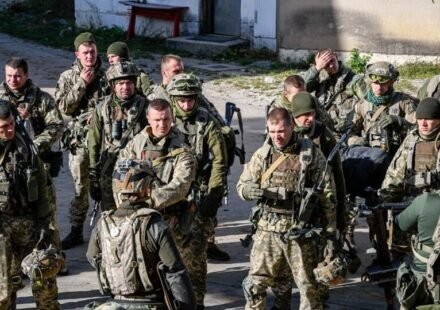
The Pentagon has raised the official number of US service members who have died in connection with military operations against Iran to 21, while its latest figures show that 865 personnel have been wounded.
The revised figures appeared in the Defense Casualty Analysis System (DCAS), the US Department of Defense’s public casualty database, on Friday, October 9. The update added two deaths that had not previously been included in the official count, according to reporting by The Washington Post and other news organisations.
Both newly included deaths were classified as non-combat fatalities. The revision has renewed attention on how the Pentagon records casualties and communicates the human cost of the conflict.
Two Additional Deaths Added to Official Count
One of the newly included service members was Army National Guard Major Sorffly Davius, 46, who died on March 6 while deployed to Camp Buehring in Kuwait. His death had previously been reported, but it had not been included in the official Iran-war casualty tally.
The second was an unidentified Navy service member who died by suicide in September, according to a US official cited by The Washington Post.
The inclusion of these deaths increased the reported total from 19 to 21. The revised figures do not mean that all 21 service members died directly in combat: the total includes deaths attributed to non-hostile causes.
Pentagon Database Shows 865 Wounded
The updated DCAS figures also list 865 US service members as wounded in connection with the operations covered by the database.
The casualties are divided between two categories reflecting different phases of the military campaign. The figures for Operation Epic Fury cover the initial phase that began on February 28, 2026, while a separate “Overseas Operations” category records casualties associated with operations from July 7 onward.
According to Stars and Stripes, the Operation Epic Fury category lists 15 deaths and 417 wounded personnel. The separate Overseas Operations category lists six deaths and 448 wounded.
Together, the two categories account for the 21 deaths and 865 wounded personnel in the latest reported figures.
Questions Over Casualty Reporting
The revision comes after earlier scrutiny of the Pentagon’s casualty reporting system. The Washington Post had reported that the number of service members who died during operations against Iran was higher than the department’s publicly listed total.
The Pentagon’s casualty figures have also drawn attention because the department created a separate category for casualties associated with renewed fighting after Operation Epic Fury was declared concluded.
That change prompted questions from lawmakers and observers about whether the categories provide a clear picture of the overall human cost of the conflict. The Pentagon has said the categories reflect changes in how the operations are recorded.
Accurate casualty reporting is important for service members’ families, policymakers and the public. It also helps distinguish combat deaths from non-combat fatalities and injuries recorded during military deployments.
A Separate Death Was Reported Outside the Iran-War Total
The Pentagon also recorded the death of Army Sergeant Devin A. Seibel, who died in a training accident in Iraq in May. His death was listed under Operation Inherent Resolve, the US military operation against the Islamic State, rather than in the Iran-war casualty count.
That separate fatality brings the number of US service members who have died in the Middle East since February 28 to 22, according to the reported figures. However, Seibel’s death was not attributed to the Iran war.
The distinction matters because the broader regional total includes deaths from different military operations and circumstances.
What Happens Next?
The latest figures provide an updated official account of US military deaths and injuries linked to operations against Iran. However, the separate categories and revisions underline the importance of examining the Pentagon’s detailed records rather than relying only on a single headline figure.
The casualty numbers may change as additional deaths and injuries are documented or classified. The Pentagon’s Defense Casualty Analysis System remains the official public database for tracking these figures.
Trump Rules Out New US Strike on Iran Before November Vote as Talks Continue
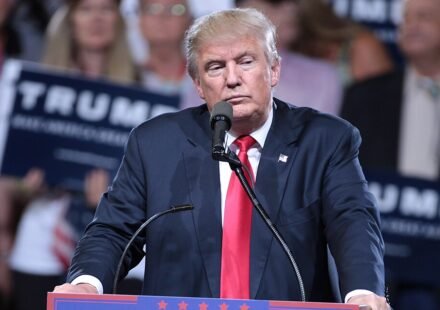
US President Donald Trump has said Washington will not launch a new attack on Iran before the United States holds its midterm congressional elections on November 3, adding that discussions between the two countries are currently making progress.
Trump made the announcement on Thursday in a post on his social media platform, saying the United States was engaged in “productive discussions” with Iran. He also reiterated that Iran would not be allowed to acquire a nuclear weapon.
Trump sets November 3 as a pause point
The president's statement represents a clear public commitment to avoid launching new military strikes against Iran before the midterm vote.
Trump said the United States would not attack Iran at any time before the November 3 elections. His comments came after reports that US officials had been examining possible military options as tensions with Tehran continued.
The announcement does not necessarily mean the broader confrontation has ended. The United States continues to maintain military forces in the region, while Washington's blockade of Iranian oil shipments remains in place.
US-Iran talks remain uncertain
Trump's announcement came amid renewed diplomatic activity between Washington and Tehran.
The two sides have exchanged proposals aimed at reducing tensions and addressing the situation around the Strait of Hormuz, one of the world's most important energy-shipping routes. Iran has indicated that it is reviewing a US response to an earlier proposal, with a formal reply expected in the coming days.
However, major disagreements remain. Iran has continued to reject demands that it give up its uranium stockpile or abandon enrichment, while the Trump administration has insisted that Tehran must make significant changes to its nuclear programme.
Why the midterm elections matter
The Iran conflict has become an important domestic political issue because the war has contributed to higher energy prices and increased economic pressure on US households. Reuters reported that the conflict has also weighed on Trump's domestic approval and created challenges for Republican candidates seeking to protect their congressional majorities.
Oil markets reacted to Trump's statement as investors assessed the possibility of a near-term US attack. Brent crude had earlier risen sharply amid concerns about military escalation and disruptions to energy supplies before retreating from its session highs following Trump's comments.
Military pressure remains
Despite Trump's pledge to avoid a new attack before the election, the US military presence in the Middle East remains significant.
Reports indicate that additional naval forces are being prepared for deployment to the region, giving Washington the ability to respond if the situation deteriorates. The continued military presence means that the possibility of renewed fighting after the election cannot be ruled out.
For now, however, Trump's latest statement puts diplomacy ahead of another major US military operation before November 3.
The immediate focus will be on whether Washington and Tehran can turn their ongoing discussions into a broader arrangement covering the conflict, Iran's nuclear programme and the Strait of Hormuz.
Yemen Strikes Houthi Targets in Sanaa as Trump Warns Iran of ‘Easy or Hard Way’
Yemen's internationally recognised government forces have launched strikes against Houthi-controlled areas in the capital Sanaa and the northern province of Saada, adding to growing tensions across the region as US President Donald Trump warned Iran that it could face the “easy way or the hard way.”
The latest escalation comes as the wider conflict involving Iran, the United States, Saudi Arabia and Yemen's Iran-aligned Houthi movement continues to put pressure on key Middle Eastern security and energy routes.
Yemeni forces target Houthi areas
Yemen's armed forces, which are aligned with the internationally recognised government, said early Sunday that they were carrying out strikes against Houthi positions in Sanaa and Saada.
A military spokesperson said the forces were targeting what he described as “vital targets” belonging to the Houthis, but did not provide further details about the locations hit or report casualty figures.
The Houthi-run Al Masirah television network had earlier reported an attack on Sanaa that it attributed to Saudi Arabia. There was no immediate confirmation from Riyadh regarding that report.
The strikes represent another escalation in fighting between Houthi forces and forces backed by Saudi Arabia and Yemen's internationally recognised government.
Houthi attacks raise regional tensions
The latest strikes followed claims by the Houthis that they had attacked an Aramco facility in Riyadh using missiles and drones.
Reuters reported that a large plume of smoke and fire was seen near a Saudi Aramco facility in the Saudi capital. The Houthis said the operation was carried out in response to Saudi-led strikes in Yemen, although Saudi authorities and Aramco had not immediately confirmed the reported damage.
The exchange has raised concerns about a wider confrontation in the region, particularly because the conflict is unfolding alongside the continuing US-Iran confrontation.
The Houthis have previously targeted Saudi territory and shipping as their conflict with Saudi-backed Yemeni forces has intensified.
Trump warns Tehran
At the same time, President Donald Trump signalled that Washington was approaching a decision on its next steps toward Iran.
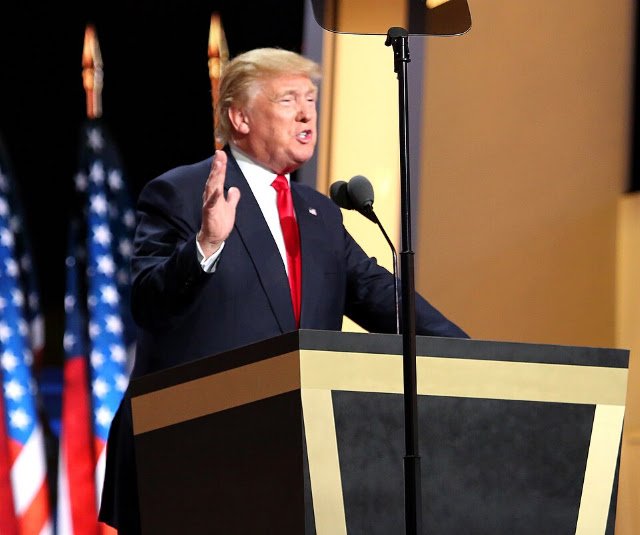
Speaking to reporters on Saturday, Trump said Iran had been severely damaged and warned that Tehran would face a choice between what he called the “easy way” and the “hard way.”
Trump did not specify what decision he was considering. His remarks came after senior US national security officials held a private meeting at Camp David to discuss Iran and the escalating Saudi-Houthi conflict in Yemen.
Trump also claimed that Iran was moving away from plans to develop a nuclear weapon, although tensions between Washington and Tehran remain high.
Yemen conflict becomes part of wider regional crisis
The renewed fighting in Yemen is taking place against the backdrop of a much broader regional confrontation.
The Houthis are aligned with Iran, while Yemen's internationally recognised government receives support from Saudi Arabia and other regional partners. The conflict had largely remained under a fragile truce after 2022, but hostilities intensified again this year as the wider US-Iran confrontation spread across the region.
The fighting has also raised concerns over the Red Sea and Bab el-Mandeb, major routes for international shipping and energy transportation.
Any prolonged disruption in the region could put additional pressure on shipping costs, energy markets and supply chains.
Civilians caught in escalating fighting
The renewed military operations are also worsening the humanitarian situation in Yemen.
Al Jazeera reported that fighting has displaced more civilians, with families seeking shelter in expanding tent camps as violence intensifies.
The latest developments underline the growing difficulty of containing the Yemen conflict as military operations involving the Houthis, Saudi-backed forces and the wider US-Iran confrontation increasingly overlap.
For now, the scale of damage from the latest strikes remains unclear, and there has been no independently verified assessment of casualties from the attacks on Sanaa and Saada.
Source attribution: This report is based on current reporting from Reuters, Al Jazeera and other contemporary sources. Claims made by the conflicting sides have been identified as such where independent confirmation was not immediately available.