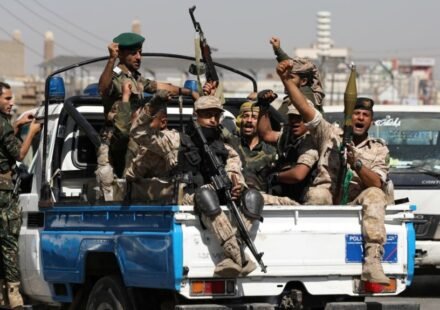
Drone Alert Near Mecca Raises Fresh Concerns as Saudi-Houthi Tensions Escalate

Saudi Arabia’s air-defence forces have reportedly intercepted and destroyed a drone over the Mecca region, according to the Saudi-led coalition involved in Yemen’s conflict. The announcement adds to growing regional security concerns as hostilities involving Saudi Arabia and Yemen’s Houthi movement continue.
Coalition spokesperson Major General Turki Al-Maliki said on October 30 that the unmanned aerial vehicle had been launched by the Houthis and was intercepted and destroyed in the Makkah region. The announcement was made as reports of drone and missile activity involving Saudi territory continued to emerge.
However, the Houthis denied carrying out an operation against Saudi Arabia that day. The group’s military spokesperson, Yahya Saree, rejected the coalition’s account and described the allegation as false. The competing statements mean that responsibility for the reported drone incident remains disputed.
Saudi Coalition Reports Drone Interception
According to the coalition, air defences detected and destroyed a drone in the Mecca region. The announcement did not provide detailed information about the drone’s launch location, its intended target, or whether the incident caused damage or injuries.
The latest report followed a separate announcement by the coalition that its air defences had intercepted and destroyed a cruise missile targeting western Saudi Arabia. These developments point to continuing pressure on Saudi air defences amid the wider conflict involving regional actors.
Saudi Arabia has faced repeated security concerns linked to drone and missile attacks during its long-running confrontation with Yemen’s Houthi movement. Such weapons can threaten military installations, energy facilities, airports and civilian infrastructure, depending on their range and intended target.
At the time of the reported interception, the publicly available statements did not establish that the drone had reached a populated area or caused casualties. The reported interception itself should not be interpreted as evidence that Mecca was struck.
Houthis Reject Saudi Arabia’s Account
The Houthi movement disputed the coalition’s allegation. Its military spokesperson said the group had not carried out an operation targeting Saudi territory on Friday and rejected the claim that it had launched the drone reported over the Mecca region.
The conflicting statements are significant because responsibility for cross-border attacks can be difficult to establish independently during an active conflict. Military announcements may provide only limited technical details, while independent verification of the weapon’s origin, flight path and intended target may not be immediately available.
The denial also matters because Mecca is Islam’s holiest city and a major destination for Muslim pilgrims from around the world. Any reported military activity in its surrounding region is likely to attract considerable international attention, particularly if it raises concerns about civilian safety or access to religious sites.
At present, the competing accounts do not provide enough publicly verified evidence to independently determine who launched the drone or what its intended target was.
A Wider Conflict With Regional Security Implications
The incident comes against the background of Yemen’s prolonged conflict and years of confrontation between the Houthis and the Saudi-led coalition. The coalition intervened in Yemen in 2015 in support of the internationally recognised government, after the Houthis took control of the capital, Sanaa, in 2014.
Although the conflict has changed over time, the threat of cross-border missiles and drones remains a major concern for Saudi Arabia and other countries in the region. The weapons can be used to pressure governments, disrupt infrastructure and raise the cost of maintaining military operations.
Recent reports of attacks involving Saudi facilities have added to concerns about the security of transport networks, energy infrastructure and other strategic locations. However, claims made by parties to the conflict need to be assessed individually, particularly when responsibility or the extent of damage has not been independently confirmed.
The latest drone report also comes amid wider regional tensions involving Iran and groups it supports. The Houthis are aligned with Iran, but that relationship alone does not establish that Tehran directed or controlled any particular operation. Evidence would be needed to determine the degree of involvement in an individual incident.
Why the Mecca Region Matters
The Mecca region has particular religious and strategic importance. Mecca receives millions of Muslim visitors and pilgrims, making security around the city and its transport routes an international concern.
A confirmed threat near the region could lead authorities to increase surveillance, strengthen air-defence readiness or review security procedures around sensitive locations. Such measures may be precautionary and do not necessarily mean that a direct attack on the city has occurred.
For Saudi Arabia, preventing drones and missiles from reaching populated areas is both a national-security priority and a matter of public reassurance. For neighbouring countries, continued cross-border military activity raises concerns about escalation, miscalculation and the possibility of a wider confrontation.
There is no confirmed evidence in the reported statements that the intercepted drone caused damage to religious sites or disrupted pilgrimage activities. Any claims about closures, casualties or changes to travel arrangements should therefore be treated cautiously unless supported by official updates.
What Could Happen Next?
The immediate priority will be to establish more details about the reported drone, including its origin, flight path and intended target. Further statements from Saudi authorities or the Houthis may clarify their positions, although the two sides may continue to dispute responsibility.
If drone and missile incidents continue, Saudi Arabia could maintain heightened air-defence readiness and strengthen protection around sensitive infrastructure. Repeated interceptions may also increase pressure on regional governments to prevent further escalation.
The wider implications will depend on whether the incident remains isolated or becomes part of a sustained pattern of attacks. Continued exchanges could complicate diplomatic efforts, increase security costs and deepen mistrust between the parties.
For now, the central facts are limited: the Saudi-led coalition says it intercepted and destroyed a drone in the Mecca region, while the Houthis deny launching an attack against Saudi territory on October 30. Independent confirmation of the drone’s origin and intended target was not available in the cited reports.
The incident highlights the continuing security risks facing the region, but the competing claims underline why verified evidence remains essential before drawing conclusions about responsibility or the possibility of further escalation.
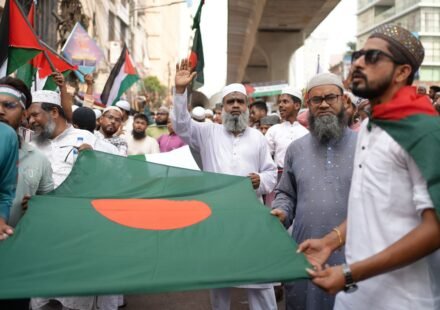
Bangladesh Awaits Saudi Response After Execution of Two Nationals
Bangladesh is still awaiting an official response from Saudi Arabia following the execution of two Bangladeshi nationals in the holy city of Mecca on October 14. The executions have raised concerns in Dhaka because Bangladeshi authorities say they were not notified before the sentences were carried out.
Bangladesh’s Foreign Ministry has formally asked Saudi authorities to explain the circumstances surrounding the executions, provide copies of the court verdicts and clarify why the country’s diplomatic mission was not informed in advance.
Foreign Ministry spokesperson Shahidul Karim confirmed that Saudi Arabia had not yet responded to Dhaka’s inquiries, according to Reuters. Bangladesh says it needs the documents and further details before deciding on its next diplomatic steps.
Two Bangladeshis Executed in Mecca
Saudi authorities identified the executed nationals as Nazrul Islam Abdul Basir and Sweety Akhter. Saudi media, citing the Interior Ministry, reported that the two were convicted of committing what authorities described as “indecent acts” inside a mosque in Mecca.
The Saudi Interior Ministry said the severity of the offence and the violation of the mosque’s sanctity were factors behind the sentences. However, Bangladesh has requested more detailed information about the charges and judicial proceedings.
Bangladesh says it learned on October 14 that the death sentences had already been carried out. Officials have expressed concern that the absence of prior notification prevented the country’s diplomatic mission from seeking information and exploring possible consular assistance before the executions.
Dhaka Seeks Court Documents and Clarification
Bangladesh’s State Minister for Foreign Affairs, Shama Obaed Islam, said the government had asked Saudi Arabia for copies of the judgments and details about the offences.
Dhaka also wants to know why the cases were not communicated to its diplomatic mission. Officials have said the government will review the information once it arrives and then discuss the matter with Saudi authorities.
Bangladesh has stressed the importance of communication when its citizens face serious criminal proceedings abroad. Such information can help diplomatic missions understand the cases and determine what consular support may be available under the laws and procedures of the host country.
Concerns Over Consular Notification
The incident has prompted questions about the communication between Saudi authorities and Bangladesh’s diplomatic mission. Bangladesh’s consulate in Jeddah had previously sought official confirmation and details about the executions.
The issue also raises broader questions about consular notification and assistance for foreign nationals facing criminal proceedings overseas. Both Saudi Arabia and Bangladesh are parties to the Vienna Convention on Consular Relations, which sets out responsibilities concerning communication with consular representatives in relevant cases. The precise legal obligations depend on the circumstances and applicable provisions.
Bangladesh has not announced its final response, saying it first needs a clearer understanding of the cases and the information-sharing process.
Why the Issue Matters to Bangladesh
Saudi Arabia is Bangladesh’s largest overseas labour market and hosts millions of Bangladeshi workers. Their employment and remittances are important to Bangladesh’s economy, making the welfare and protection of expatriate workers a significant bilateral concern.
The Bangladeshi government has also acknowledged that people travelling abroad must comply with the laws of their host country. At the same time, officials say timely communication is important so that diplomatic representatives can understand cases involving their citizens and provide assistance where possible.
Despite the controversy, Bangladeshi officials have indicated that they want to address the matter through diplomatic channels. The government is waiting for Saudi Arabia’s response before determining what further steps may be appropriate.
For now, the key questions remain unanswered: why Dhaka was not notified before the executions, what the court judgments say, and what information Saudi authorities will provide. The next stage will depend on Riyadh’s official reply and subsequent discussions between the two governments.