
Saudi Arabia Says It Intercepted Missile Near Medina as Middle East Tensions Escalate

Saudi Arabia’s Saudi-led military coalition said on Thursday that it had intercepted and destroyed a cruise missile in the Medina region, as tensions across the Middle East continued to rise. The coalition also reported destroying a drone over the kingdom’s Eastern Province, an important centre for oil production.
The announcement came amid escalating hostilities involving Saudi Arabia and Yemen’s Houthi movement, with recent attacks and counterstrikes raising concerns about civilian safety, aviation and regional energy infrastructure.
Coalition spokesperson Major General Turki Al-Maliki announced the missile interception in a statement published on social media and carried by Saudi state media. However, the statement did not identify who launched the missile or specify its intended target. Officials also did not provide details of any casualties or damage from the incident.
The Houthis denied carrying out an attack on Saudi territory that day. Their military spokesperson, Yahya Saree, rejected the coalition’s account, according to reports by international media.
The competing statements mean that responsibility for the reported missile incident remains disputed.
Why Is the Medina Incident Significant?
Medina is one of Islam’s holiest cities and is home to the Prophet’s Mosque. Any reported military threat in the region is likely to raise concerns about the safety of residents, visitors and religious travellers.
The missile interception also comes against the background of a wider escalation in the conflict between Saudi Arabia and the Houthis, who control Yemen’s capital, Sanaa, and other parts of the country.
Saudi Arabia has led a military coalition supporting Yemen’s internationally recognised government against the Houthis since 2015. The conflict has caused extensive civilian suffering and contributed to a prolonged humanitarian crisis.
The latest developments suggest that the confrontation is placing renewed pressure on Saudi Arabia’s security arrangements. Nevertheless, the available information does not establish that the missile was aimed specifically at a religious site or that it reached the city itself.
Drone Intercepted in Saudi Arabia’s Eastern Province
The Saudi-led coalition also said it had intercepted and destroyed a drone over the Eastern Province on Thursday.
The region is strategically important because it contains major oil-producing areas and energy infrastructure. Any sustained threat to facilities in the area could have implications for regional security and international energy markets.
The latest report followed other missile and drone incidents involving Saudi territory. On Wednesday, the coalition said it had destroyed a ballistic missile launched towards Riyadh, while the Houthis announced attacks against Saudi targets.
Saudi Arabia has also carried out strikes against Houthi positions in Yemen in response to the escalating confrontation.
Details about the drone’s launch point, intended target and any resulting damage were not fully available in the initial reports.
Flight Disruptions Add to Regional Concerns
The security situation has affected air travel in Saudi Arabia. Reports published on Thursday said services at Riyadh’s international airport had been suspended following attacks, while flights at Jeddah airport faced cancellations and delays.
Airspace and airport disruptions can affect international passengers, airline operations and travellers moving through major Gulf aviation hubs.
The developments are also relevant for pilgrims travelling to Mecca and Medina. Airlines and passengers may need to monitor official travel advisories and updates from airport authorities as the security situation evolves.
The full scale and duration of the reported disruptions remained subject to further updates.
Israeli Strike Reported in Gaza
Elsewhere in the region, an Israeli strike in Gaza killed one man, according to hospital officials cited in Thursday’s reporting.
The Israeli military said it had struck a person it described as a terrorist but did not provide further details in the initial account.
The incident comes despite the ceasefire agreement reached between Israel and Hamas in October 2025. Palestinian health authorities have continued to report deaths from Israeli fire since the ceasefire began.
The circumstances of Thursday’s strike, including the identity of the person killed and the military’s specific allegations, were not fully established in the initial reports.
Syrian Court Sentences Five Over Coastal Violence
In another development, a Syrian court sentenced five people over their roles in violence in the country’s coastal region in March 2025.
According to reports, two people were sentenced to death and three others received prison terms. The cases were linked to violence that followed attacks by loyalists of former president Bashar al-Assad against members of the new government’s security forces.
The subsequent security operation escalated into widespread violence in areas with large Alawite communities. Hundreds of civilians, many of them Alawites, were reported killed during the unrest.
The latest verdicts reflect continuing efforts by Syria’s authorities to prosecute people accused of involvement in the violence. The cases also highlight the challenges facing the country as it seeks accountability and stability after years of conflict.
EU-Gulf Summit Postponed Amid Security Uncertainty
The European Union announced that a joint meeting with Gulf Cooperation Council members scheduled for October 24 in Riyadh had been postponed. A new date had not been announced in the initial reports.
The meeting was expected to bring together representatives of the EU’s 27 member states and Gulf countries, including Saudi Arabia, the United Arab Emirates, Qatar, Kuwait, Bahrain and Oman.
The EU did not provide a detailed public explanation for the postponement in its initial announcement. The unsettled security situation in the region has, however, raised questions about the timing of major diplomatic gatherings.
The postponement adds a diplomatic dimension to a period already marked by military escalation, travel disruption and concerns about energy infrastructure.
What Happens Next?
The immediate questions are whether Saudi authorities will provide further details about the intercepted missile, whether responsibility can be independently established and whether attacks involving missiles and drones will continue.
Developments in Saudi Arabia, Yemen, Gaza and Syria are also likely to influence regional diplomacy and international travel.
For now, the Medina missile incident remains a reported interception announced by the Saudi-led coalition, while the Houthis deny carrying out an attack that day. Further official statements and independently verified reporting will be important in clarifying what happened.
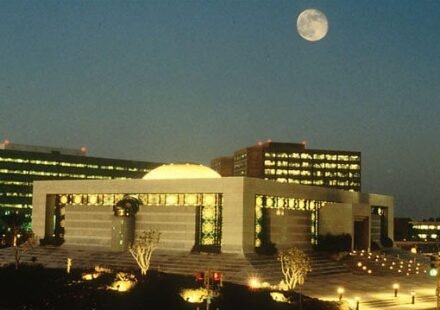
Saudi Aramco Administrative Building Hit in Attack, Limited Fire Reported in Dhahran
An administrative building belonging to Saudi Arabia’s state-owned oil giant Saudi Aramco was targeted in an attack in Dhahran on Tuesday, October 13, triggering a limited fire, according to the Saudi Energy Ministry.
The ministry said authorities responded to the incident and took the necessary measures. No injuries or fatalities were reported.
The incident comes amid escalating hostilities between Saudi Arabia and Yemen’s Iran-aligned Houthi movement, with missile and drone attacks raising concerns about security across the Gulf and the wider Middle East.
Aramco Building Reportedly Sustained Damage
A source at Aramco told Reuters that a ballistic missile struck the company’s headquarters complex in Dhahran, in Saudi Arabia’s Eastern Province. The source said an office tower was hit and its top three floors were damaged.
The Energy Ministry’s public statement described the resulting fire as limited and confirmed that there were no casualties. The full extent of the damage and the operational impact on the company had not been independently established in the initial reports.
Dhahran is an important centre for Aramco, whose operations span oil and gas production, pipelines, refineries and export infrastructure. The company plays a central role in Saudi Arabia’s energy sector.
Attack Amid Rising Saudi-Houthi Tensions
The incident was reported during a renewed escalation in the conflict involving Saudi Arabia and the Houthis in Yemen. The group has threatened Saudi targets amid the kingdom’s military operations against Houthi positions.
Saudi authorities have also reported intercepting missiles and drones targeting areas of the kingdom. In a separate incident in Riyadh, debris from intercepted missiles reportedly injured four people and damaged homes, according to Saudi Civil Defense statements cited by international news agencies.
The circumstances surrounding the attack on the Aramco complex, including the precise weapon involved and responsibility for the strike, should be distinguished from the Saudi government’s confirmation that the building was targeted. Reuters reported the ballistic-missile account from a company source.
Why the Incident Matters
Any attack affecting major energy infrastructure in Saudi Arabia can raise concerns about regional security and the stability of oil supply routes. Aramco oversees extensive energy operations, making the security of its facilities strategically important.
However, the reported fire was described as limited, and the initial official statement did not announce injuries, deaths or a confirmed interruption to Aramco’s wider production. Any assessment of the incident’s effect on oil output or global prices would require further verified information.
Authorities had responded to the incident by Wednesday, while further details about the damage and the investigation remained limited in the initial reporting.
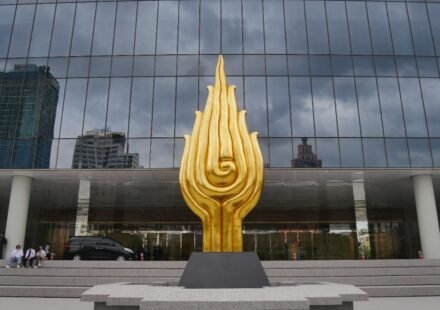
Global Economic Risks Take Centre Stage as Finance Leaders Gather in Thailand
Global economic uncertainty, the continuing war in the Middle East and mounting debt pressures are expected to dominate this week’s annual meetings of the International Monetary Fund (IMF) and the World Bank in Bangkok, Thailand.
Finance ministers, central bank officials and economic policymakers are gathering as rising energy and fertiliser prices, higher borrowing costs and fragile growth prospects place additional pressure on governments worldwide. The meetings are taking place outside Washington for the first time in three years.
According to Reuters, around 18,000 people had registered to attend the gathering, highlighting the importance of discussions at a time when geopolitical tensions are increasingly affecting economic policy.
Middle East Conflict Raises Inflation Concerns
The US-Israeli-led war with Iran has disrupted energy markets and intensified concerns about the global economic outlook. Higher fuel prices can increase transport and manufacturing costs, while rising fertiliser prices may put further pressure on food production and consumer prices.
The Strait of Hormuz, a key route for global energy shipments, has been central to concerns over supply disruptions. Any prolonged interruption to energy flows could make it harder for governments and central banks to contain inflation while supporting economic growth.
World Bank President Ajay Banga has warned that the combined effects of energy costs, fertiliser prices, debt and climate-related risks could create serious challenges for vulnerable economies.
Policymakers are expected to assess how countries can respond to further price shocks without worsening their fiscal positions or undermining essential public services.
Developing Countries Face Heavy Debt Payments
High debt levels are another major issue facing the meetings. Many developing economies are struggling with expensive borrowing, weaker public finances and limited room to respond to fresh economic shocks.
Reuters reported that developing countries owe external creditors about $400 billion in 2026, with interest payments accounting for roughly one-third of that amount, according to World Bank estimates.
These obligations can leave governments with less money available for infrastructure, healthcare, education and social protection. Countries already facing financial pressure may also find it more difficult to raise funds as interest rates and investor concerns increase borrowing costs.
The IMF and World Bank are expected to discuss debt sustainability, financing options and reforms aimed at helping countries restore financial stability while maintaining longer-term development spending.
World Bank Discusses Crisis Support With Dozens of Countries
The World Bank is already discussing possible crisis assistance with around 30 to 40 countries affected by economic pressures, Banga told Reuters.
The bank previously made $25 billion in crisis financing available after the Middle East conflict began. It has also allowed countries to consider redirecting resources from existing approved projects to address urgent needs.
Banga said the institution could make more funding available if conditions deteriorate. The discussions reflect concern that higher energy and fertiliser costs could put additional pressure on lower-income economies in the coming months.
However, countries may face difficult choices over whether to seek new financing, restructure existing debt or redirect funds from other development priorities.
Inflation and Global Growth in Focus
The meetings also come as policymakers assess whether higher energy prices and borrowing costs will weaken global economic growth further.
Central banks face a difficult balance: keeping inflation under control without putting excessive pressure on businesses, households and employment. Governments, meanwhile, must weigh the cost of financial support against the need to keep public debt manageable.
IMF Managing Director Kristalina Georgieva has warned that rising debt and geopolitical uncertainty require difficult policy decisions. The fund’s upcoming economic outlook is expected to provide an updated assessment of global growth risks.
What the Bangkok Meetings Could Mean
The discussions could shape how international institutions respond to countries facing debt distress, inflation and emergency financing needs. Developing nations will be watching closely for practical support and policies that allow them to manage economic shocks without sacrificing essential services.
With conflict-related disruptions, high debt payments and weak growth prospects converging, the meetings are likely to test how effectively the IMF and World Bank can coordinate support for a global economy facing multiple pressures.
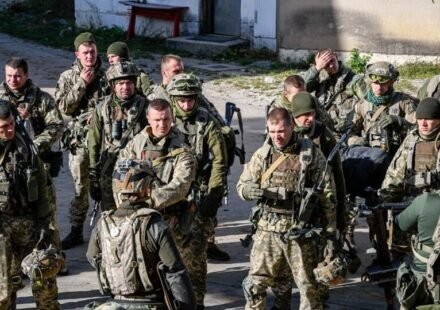
Pentagon Revises Iran War Casualty Figures: 21 US Troops Dead, 865 Wounded
The Pentagon has raised the official number of US service members who have died in connection with military operations against Iran to 21, while its latest figures show that 865 personnel have been wounded.
The revised figures appeared in the Defense Casualty Analysis System (DCAS), the US Department of Defense’s public casualty database, on Friday, October 9. The update added two deaths that had not previously been included in the official count, according to reporting by The Washington Post and other news organisations.
Both newly included deaths were classified as non-combat fatalities. The revision has renewed attention on how the Pentagon records casualties and communicates the human cost of the conflict.
Two Additional Deaths Added to Official Count
One of the newly included service members was Army National Guard Major Sorffly Davius, 46, who died on March 6 while deployed to Camp Buehring in Kuwait. His death had previously been reported, but it had not been included in the official Iran-war casualty tally.
The second was an unidentified Navy service member who died by suicide in September, according to a US official cited by The Washington Post.
The inclusion of these deaths increased the reported total from 19 to 21. The revised figures do not mean that all 21 service members died directly in combat: the total includes deaths attributed to non-hostile causes.
Pentagon Database Shows 865 Wounded
The updated DCAS figures also list 865 US service members as wounded in connection with the operations covered by the database.
The casualties are divided between two categories reflecting different phases of the military campaign. The figures for Operation Epic Fury cover the initial phase that began on February 28, 2026, while a separate “Overseas Operations” category records casualties associated with operations from July 7 onward.
According to Stars and Stripes, the Operation Epic Fury category lists 15 deaths and 417 wounded personnel. The separate Overseas Operations category lists six deaths and 448 wounded.
Together, the two categories account for the 21 deaths and 865 wounded personnel in the latest reported figures.
Questions Over Casualty Reporting
The revision comes after earlier scrutiny of the Pentagon’s casualty reporting system. The Washington Post had reported that the number of service members who died during operations against Iran was higher than the department’s publicly listed total.
The Pentagon’s casualty figures have also drawn attention because the department created a separate category for casualties associated with renewed fighting after Operation Epic Fury was declared concluded.
That change prompted questions from lawmakers and observers about whether the categories provide a clear picture of the overall human cost of the conflict. The Pentagon has said the categories reflect changes in how the operations are recorded.
Accurate casualty reporting is important for service members’ families, policymakers and the public. It also helps distinguish combat deaths from non-combat fatalities and injuries recorded during military deployments.
A Separate Death Was Reported Outside the Iran-War Total
The Pentagon also recorded the death of Army Sergeant Devin A. Seibel, who died in a training accident in Iraq in May. His death was listed under Operation Inherent Resolve, the US military operation against the Islamic State, rather than in the Iran-war casualty count.
That separate fatality brings the number of US service members who have died in the Middle East since February 28 to 22, according to the reported figures. However, Seibel’s death was not attributed to the Iran war.
The distinction matters because the broader regional total includes deaths from different military operations and circumstances.
What Happens Next?
The latest figures provide an updated official account of US military deaths and injuries linked to operations against Iran. However, the separate categories and revisions underline the importance of examining the Pentagon’s detailed records rather than relying only on a single headline figure.
The casualty numbers may change as additional deaths and injuries are documented or classified. The Pentagon’s Defense Casualty Analysis System remains the official public database for tracking these figures.
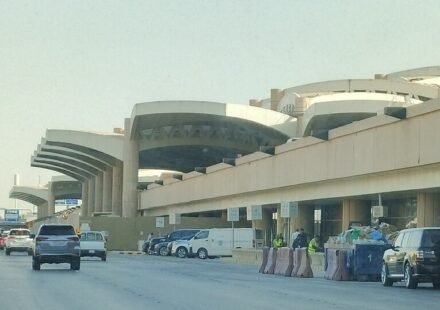
Missile Reportedly Hits Riyadh Airport Passenger Terminal; Several Injured as Flights Disrupted
A missile reportedly struck a passenger terminal at King Khalid International Airport in Riyadh, Saudi Arabia, on Saturday, October 10, injuring several people and triggering evacuations, according to reports by international news agencies.
Two regional officials told The Associated Press that the missile hit a passenger terminal and that many people were wounded. The officials spoke anonymously because they were not authorised to comment publicly. Reuters separately reported that eyewitnesses saw an explosion and injured people inside the airport.
Ambulances were seen heading towards the airport as passengers were evacuated from parts of the facility. The incident added to growing concerns about aviation safety in Saudi Arabia amid escalating regional hostilities.
At the time of the initial reports, Saudi authorities had not publicly confirmed all the details of the latest incident, including the full number of casualties.
Flights Diverted as Airport Operations Disrupted
The reported strike disrupted air traffic at Riyadh’s main international airport. Flight-tracking information showed incoming flights being diverted or cancelled, while airlines issued cancellation notices and urged passengers to check their flight status before travelling.
Kuwait Airways announced cancellations affecting services to and from Riyadh because of the airport closure and security situation. Other carriers have also adjusted services to Saudi Arabia amid the wider security concerns.
The disruption could affect international travellers connecting through Riyadh, as well as passengers travelling between Saudi Arabia and other countries in the region.
Travellers have been advised to follow airline announcements and official airport guidance rather than proceeding to the terminal without checking their flight status.
Latest Incident Follows Earlier Deadly Airport Attacks
The reported Saturday strike came just two days after attacks on Riyadh airport on October 8. Saudi Arabia’s General Authority of Civil Aviation said those earlier attacks killed three Saudi citizens, including Saudia airline captain Hamoud Ali Alkalthami, and injured several other people.
The earlier incidents also damaged airport property and a Saudia aircraft. Airport operations resumed after the attacks, but airlines continued to face disruption as security concerns intensified.
The latest reported incident has raised further questions about the safety of civilian aviation facilities as the conflict involving Saudi Arabia and Yemen’s Houthi movement escalates.
Rising Tensions Between Saudi Arabia and Yemen’s Houthis
The airport incidents have occurred amid an intensifying military confrontation involving Saudi Arabia and Yemen’s Iran-aligned Houthi movement.
The Houthis have claimed responsibility for earlier attacks on Saudi targets, according to media reports. However, responsibility for the latest reported terminal strike had not been independently established in the initial accounts.
Saudi Arabia has carried out military operations against Houthi targets in Yemen as fighting has intensified. The exchanges have increased the risk to civilian infrastructure, including airports and other facilities used by travellers and commercial operators.
The conflict also has wider regional implications because Saudi Arabia is a major aviation hub and an important energy producer. Continued attacks or airspace restrictions could affect passenger travel, cargo movements and business activity.
Travellers Urged to Check Official Advisories
The reported strike highlights the risks facing civilian aviation during periods of military escalation. Airport authorities and airlines may change schedules rapidly in response to security threats, even when the extent of damage or the circumstances of an incident remain unclear.
Passengers travelling to or through Riyadh should confirm their flight directly with their airline and monitor airport notices and government travel advisories. They should avoid relying on unverified social media videos or claims about the attack.
Further information about injuries, damage and the circumstances of the reported strike will depend on statements from Saudi authorities and subsequent verified reporting.