
UN Nuclear Watchdog Sees No Sign Iran Is Rebuilding Bombed Nuclear Sites

The United Nations’ nuclear watchdog has found no evidence that Iran has attempted to repair or reconstruct nuclear facilities damaged in US and Israeli military strikes, but serious questions remain over the country’s nuclear material and the international community’s ability to verify its status.
Rafael Grossi, director general of the International Atomic Energy Agency (IAEA), delivered the assessment during a briefing to the UN Security Council on Tuesday. He said the agency had detected no repair or reconstruction activity at the affected facilities since June 2025, when attacks on Iran’s nuclear infrastructure disrupted international inspection work.
The assessment provides an important update on Iran’s nuclear programme. However, the absence of detected rebuilding activity does not mean inspectors have verified the complete condition of the damaged sites or established the current location and status of all Iran’s declared nuclear material.
Inspectors Still Lack Access to Key Nuclear Facilities
The IAEA has been unable to carry out its normal verification activities at several Iranian nuclear facilities damaged during the military attacks. Grossi told the Security Council that remote monitoring had revealed no signs of reconstruction, but he stressed that satellite-based observation cannot replace physical inspections.
The affected locations include Iran’s Fordow fuel-enrichment plant, enrichment facilities at Natanz, parts of the Isfahan nuclear complex and the Khondab heavy-water research reactor.
Without direct access, inspectors cannot independently establish the full extent of the damage, determine whether equipment has been moved or confirm the current condition of the facilities. The agency has repeatedly called on Tehran to allow inspectors to resume their work.
The situation leaves an important gap in international oversight: information gathered remotely can help identify visible changes, but it cannot answer every question about activities inside damaged or restricted facilities.
Concern Over 440.9 Kilograms of Enriched Uranium
One of the central concerns is Iran’s previously declared stockpile of uranium enriched to 60% purity.
The IAEA has estimated that the stockpile stood at approximately 440.9 kilograms, or 972 pounds. Uranium enriched to this level is well above the concentration generally required for civilian nuclear power generation, although it is below the roughly 90% enrichment level commonly associated with weapons-grade uranium.
Grossi said the agency has not been able to verify the status of this material since its inspectors lost access following the June 2025 attacks. The agency therefore cannot confirm that all nuclear material subject to its safeguards remains accounted for.
This distinction is crucial. The lack of evidence that damaged facilities are being rebuilt does not establish what has happened to the uranium stockpile or resolve questions about Iran’s wider nuclear activities.
The IAEA is seeking the information and access required to determine the status of the material and fulfil its international safeguards responsibilities.
Iran and the United States Remain at Odds
The dispute over nuclear inspections is unfolding amid a wider confrontation between Iran, the United States and Israel.
US President Donald Trump has defended military action as necessary to prevent Iran from acquiring nuclear weapons. He has also previously described the damage caused by earlier US strikes as having effectively destroyed Iran’s nuclear programme.
Iran, meanwhile, maintains that its nuclear programme is peaceful and has criticised military attacks and international scrutiny of its nuclear activities.
The latest IAEA assessment introduces an important qualification into the debate. The agency has not identified efforts to rebuild the damaged facilities, but because inspectors lack access to most of the affected sites, it cannot provide a comprehensive, on-the-ground verification of their current condition or the status of all relevant nuclear material.
The findings therefore do not, by themselves, establish whether Iran has abandoned its nuclear ambitions or whether all potential proliferation concerns have been resolved.
Diplomatic Efforts Could Offer a Way Forward
Grossi has urged Iran to consider gradual technical steps that could make it possible for inspectors to return. He has also pointed to diplomatic engagement and regional mediation as potential ways to address Tehran’s security concerns while restoring international verification.
The IAEA has said that technical groundwork for an arrangement to facilitate the return of inspectors has advanced. However, a workable agreement would still need to establish how inspectors could access facilities, verify nuclear material and resolve outstanding safeguards questions.
Restoring inspections would not automatically settle the wider political dispute between Tehran and Washington. It could, however, give international governments and the agency a more reliable basis for assessing developments inside Iran.
For Iran, renewed cooperation could help address concerns about its nuclear programme. For the United States and other countries, independent verification would provide stronger evidence for evaluating whether Iran is meeting its safeguards obligations.
What the Latest Assessment Means
The latest findings point to two issues that should not be confused: the absence of detected reconstruction at damaged nuclear sites and the unresolved status of Iran’s nuclear material.
The first suggests that the IAEA has not observed a visible effort to rebuild the affected facilities. The second highlights the limits of what the agency can currently confirm without access to those sites and the information it has requested.
If inspections resume, the agency could improve its understanding of the damage, verify relevant nuclear material and provide a clearer assessment of Iran’s activities. If access remains restricted, uncertainty is likely to persist, making diplomatic efforts and independent monitoring increasingly important.
For now, the IAEA’s position is measured: it has detected no repair or reconstruction activity at the damaged facilities, but it cannot fully verify the situation without access. The next significant development will depend on whether Iran and the international community can agree on practical steps to restore inspections.

Iran War Bill Crosses $47 Billion, With Base Repairs Still Uncounted
The financial cost of the United States’ war with Iran has climbed beyond $47 billion, according to a new Pentagon estimate, highlighting the growing burden of replacing weapons, repairing military losses and sustaining operations as the conflict continues.
The latest figure is more than 25% higher than the Defence Department’s estimate reported in July. The breakdown indicates that the largest share of the spending pressure comes from munitions used during combat, followed by the cost of replacing military equipment lost or damaged during operations. The estimate, however, does not clearly account for repairs to US military bases hit by Iranian missile and drone attacks.
Weapons Replacement Accounts for the Largest Share
More than $29 billion of the estimated cost is associated with replacing munitions expended during the war. A further $6 billion or more is earmarked for replacing military equipment.
These figures illustrate how quickly a major conflict can consume expensive military resources. Precision-guided missiles, air-defence interceptors and other advanced weapons can cost millions of dollars per unit. Replenishing them requires not only funding but also manufacturing capacity, specialised components and time.
The operational bill also includes expenses associated with keeping military forces deployed and conducting missions. Aircraft operations, naval deployments, transportation, fuel, personnel support and logistics all contribute to the overall cost of sustaining a prolonged campaign.
The figures should not be interpreted as a final accounting of the war. The Pentagon estimate covers identified operational and replacement costs, while some damage-related expenses remain unclear or uncounted.
Damage to US Bases Could Increase the Final Bill
One of the largest uncertainties concerns the cost of repairing US military installations damaged by Iranian attacks.
Military bases across the Middle East are essential to aircraft operations, logistics, communications, intelligence and regional force protection. Damage to runways, buildings, equipment or other infrastructure can require extensive repairs and may temporarily reduce a facility’s operational capacity.
The latest reported estimate does not provide a clear total for repairing damage to US bases. Earlier assessments also excluded significant infrastructure-repair costs, meaning the public figures may not capture the full financial consequences of the conflict.
Any decision to rebuild damaged facilities, relocate operations or strengthen defences could add further expenditure. The final amount will depend on the scale of damage, the repair plans adopted by the US government and whether host countries share any of the costs.
Why the Cost Matters for the US Budget
The rising bill creates a challenge for budget planners because military operations compete with other federal spending priorities. The administration may need to seek additional funding from Congress to cover ongoing operations, replace depleted weapons and restore damaged equipment.
Emergency funding can help the military replenish supplies more quickly, but it does not eliminate the underlying cost. It shifts the question towards how the spending will be financed and what trade-offs lawmakers may face when allocating federal resources.
A sustained campaign can also generate costs beyond the immediate battlefield. These may include long-term care for injured service members, future maintenance of heavily used equipment, additional force deployments and potential compensation or support obligations.
Not all these expenses are necessarily included in the Pentagon’s current estimate. A complete assessment would require a wider accounting of direct operational costs, equipment replacement, infrastructure repairs and longer-term obligations.
Pressure on Weapons Stockpiles
The amount spent on replacing munitions is particularly important because financial resources alone cannot guarantee rapid replenishment. Advanced weapons often depend on specialised production lines, complex components and suppliers that cannot immediately expand output.
Heavy consumption during a conflict can therefore affect the availability of weapons for other military missions. Rebuilding stockpiles may require manufacturers to increase production, governments to prioritise orders and military planners to reconsider how limited supplies are allocated.
The implications could extend beyond the Middle East if the United States must balance replenishment for the Iran campaign with commitments elsewhere. The extent of any impact will depend on the types of weapons consumed, existing inventories and the pace at which new supplies can be produced.
Congressional Scrutiny Likely to Intensify
The growing cost is likely to keep attention focused on the information provided to lawmakers about the war. Congress has a role in approving military spending and overseeing how public funds are used.
Lawmakers evaluating additional funding may seek greater detail on the operational bill, weapons expenditure, equipment losses and the cost of repairing damaged facilities. They may also examine how much more the conflict could cost if operations continue for an extended period.
A clearer breakdown would help distinguish money already spent from amounts required to replace equipment, cover future operations or address damage that has yet to be fully assessed.
The distinction matters because an estimate of current costs is not the same as a forecast of the war’s eventual price tag.
What the Rising Bill Means Going Forward
The reported figure of more than $47 billion provides a snapshot of the financial burden accumulated so far, rather than a final total. The absence of a clear base-repair estimate leaves an important gap in the public accounting.
For the US government, the central questions are how long military operations will continue, how quickly depleted weapons can be replaced and how much additional spending will be needed to restore damaged facilities.
For taxpayers, a prolonged conflict could mean further pressure on federal spending. For the defence industry, sustained replacement demand may create additional orders, although manufacturing constraints could limit how quickly deliveries increase.
The eventual cost will depend on the course of the conflict, the extent of future military activity and the decisions taken by the administration and Congress. Until infrastructure damage and longer-term obligations are fully assessed, the $47 billion figure should be treated as a reported estimate of identified costs—not the complete price of the war.

Record Early Voting Puts Netanyahu’s Wartime Leadership Under National Scrutiny
Israel’s parliamentary election has drawn an unusually strong early turnout, placing Prime Minister Benjamin Netanyahu’s leadership under renewed public scrutiny as voters weigh national security, the consequences of war and the government’s handling of the October 7, 2023, attacks.
Early voting figures showed that 16.7% of eligible voters had cast ballots by 10 a.m. local time, with approximately 1.2 million votes recorded. The pace was reported as the fastest early turnout in decades, reflecting the high stakes surrounding the country’s first national election since the Hamas-led attacks of October 2023.
The election could determine whether Netanyahu remains in power or whether a rival political bloc can assemble enough parliamentary support to form a government. However, strong turnout alone does not indicate which side will win.
Why This Election Matters
The vote comes after a period of profound security and political upheaval in Israel. The October 7 attacks exposed major failures in the country’s security system and triggered a prolonged war in Gaza, followed by wider regional confrontations.
Netanyahu’s critics argue that his government must answer for the security breakdown and the decisions made during the war. They have called for greater accountability, including an independent investigation into the circumstances that allowed the attacks to occur.
Netanyahu has rejected calls to accept personal responsibility for the security failure. He has instead defended his record, arguing that his government’s military operations have strengthened Israel’s position against its adversaries.
For many voters, the election is therefore about more than party politics. It is also a judgment on how the country has been governed during a period of conflict and whether its leadership should change.
Netanyahu Faces a Competitive Challenge
Netanyahu, Israel’s longest-serving prime minister, is seeking to retain power through the right-wing Likud party and its political allies.
His principal challenge comes from opposition forces seeking a change in leadership. Former military chief Gadi Eisenkot has emerged as a prominent figure in the contest, presenting himself as an alternative focused on accountability, national recovery and changes to the country’s political direction.
Eisenkot has criticised the government’s handling of the war, arguing that military action has not achieved all its stated objectives against Hamas. He has also called for a strategy to dismantle the organisation’s military and governing capabilities.
The contest is complicated by Israel’s parliamentary system, in which parties must negotiate alliances to form a government. Even a party that finishes first in the popular vote cannot govern alone unless it secures sufficient support in the 120-member Knesset.
Pre-election polling suggested that neither major political camp had an easy path to a stable parliamentary majority. The final distribution of seats and the decisions of smaller parties could therefore prove as important as the performance of the leading candidates.
October 7 Remains Central to Voters’ Decisions
The Hamas-led attack on October 7, 2023, remains one of the defining events in modern Israeli politics. Approximately 1,200 people were killed in the attack, and 251 people were taken hostage, according to widely reported figures.
The assault led to a major Israeli military campaign in Gaza and a prolonged period of fighting that affected the wider region.
Families of victims and former hostages have continued to demand accountability and answers about the security failures. Their concerns have become part of the broader debate over political responsibility and the government’s response to the crisis.
For Netanyahu’s opponents, the election offers voters an opportunity to express their views on whether the current leadership should continue.
Supporters of the prime minister, meanwhile, point to his experience in security affairs and his approach to confronting Israel’s regional adversaries. They argue that changing leadership during a period of continuing threats could create additional uncertainty.
These competing arguments have made security and political accountability major issues in the campaign.
High Turnout Does Not Guarantee a Change of Government
The unusually strong early turnout has attracted attention because participation can affect how political parties perform, particularly when different voter groups turn out at different rates.
Arab citizens of Israel have also attracted attention during the election, with reports pointing to stronger participation than in some previous contests. Their votes could influence the balance between political blocs, although the ultimate effect will depend on the final turnout and the distribution of votes among parties.
Israel’s proportional representation system makes the outcome difficult to determine from turnout figures alone. Parties must cross the electoral threshold to enter parliament, and the resulting seats are distributed according to their share of the vote.
After the final results are established, Israel’s president consults political parties before asking a candidate to form a government. Coalition negotiations can take considerable time, especially when no political bloc has secured a clear majority.
Netanyahu could therefore remain in office in a caretaker capacity if the election produces a prolonged period of negotiations without an immediate agreement on a new government.
What the Result Could Mean for Israel
The election’s consequences will extend beyond the question of who occupies the prime minister’s office.
A government led by Netanyahu would likely seek to continue its existing security and foreign-policy approach, while an alternative coalition could attempt to change the direction of domestic governance and reassess aspects of the country’s wartime strategy.
Nevertheless, a change of leadership would not automatically resolve Israel’s security challenges or the political disputes surrounding the conflict. Any incoming government would face difficult decisions involving military policy, relations with neighbouring countries, the future of Gaza and the demands of citizens seeking accountability.
The composition of the next coalition will also matter. Smaller parties may influence policy priorities, government appointments and the scope of any proposed reforms.
For international partners, the outcome will provide an indication of the political direction Israel may take in the months ahead. However, the extent of any policy change will depend on the final coalition agreement and the decisions taken by the government.
When Will the Election Result Be Known?
Voting is scheduled to continue until 10 p.m. local time on Tuesday. Broadcasters are expected to publish exit polls after polling stations close, offering the first indications of the possible result.
Exit polls are estimates rather than official counts. The final allocation of parliamentary seats may take longer, particularly if several parties are close to the electoral threshold or if the leading blocs remain closely matched.
The official process will determine how many seats each party wins and which candidate has the best chance of forming a government.
For now, the strongest early turnout shows that the election has attracted considerable public participation. It does not establish whether voters will retain Netanyahu or support an alternative.
The final verdict will emerge from the ballots cast across Israel and the coalition negotiations that follow.

Jordan’s Strike on Suspected Militants in Syria Kills Civilians, Deepening Regional Concerns
Jordan’s retaliatory airstrikes against suspected militant positions in southern Syria have reportedly killed civilians, including women and children, raising concerns about the consequences of cross-border military action following a deadly attack on a church in Jordan.
The Jordanian military said its air force targeted locations associated with armed groups it linked to the October 23 attack on a Greek Orthodox church in Karak, southern Jordan. Syrian authorities, however, reported civilian deaths in the strikes and said they were investigating the circumstances. Accounts of the casualties have varied as information emerged from the affected areas.
The incident has created a difficult situation for both governments. Jordan says it acted against groups it considers a security threat, while the reported deaths of civilians have raised questions about the impact of the operation on communities living near the border.
What Triggered Jordan’s Military Response?
The immediate trigger was a shooting at a Greek Orthodox church in the village of Hamoud, in Jordan’s Karak governorate, on October 23. Gunmen opened fire during a funeral gathering, killing people and injuring dozens of others.
Jordanian authorities described the attack as terrorism and launched an investigation to identify those responsible. King Abdullah II vowed a forceful response, while the government announced a period of national mourning for the victims.
The attack shocked a country where violence against places of worship is relatively uncommon. The church shooting also raised fears that extremist violence could damage relations between religious communities in Jordan.
Following investigations, Jordan said the suspects were connected to armed groups operating in southern Syria. Its military subsequently launched strikes against what it described as militant hideouts across the border. The military did not publicly identify the groups or provide a complete account of the locations targeted.
Civilian Deaths Reported in Southern Syria
Syrian authorities reported that the airstrikes killed civilians in the southern provinces, including Daraa. Early accounts differed over the number of people killed, with reports describing deaths among women, children and other members of local families.
The reported casualties have become a central issue in the aftermath of the operation. While Jordan described its targets as militant positions, Syrian accounts indicated that civilians were among those affected. The full circumstances of the deaths and the extent of damage to homes or other structures require further confirmation.
Civilian casualties can have consequences beyond the immediate loss of life. Families may be displaced, local communities may become more fearful, and anger over the strikes could complicate security cooperation between the two countries.
The reports also underline the difficulty of conducting military operations in populated areas, where strikes intended to hit armed groups can put people with no involvement in the conflict at risk.
Disagreement Over Coordination Between Jordan and Syria
Another important question concerns whether the operation was coordinated with the Syrian government.
Jordanian military statements said the strikes were conducted in coordination with Damascus. Syrian officials, however, indicated that the attacks had taken place without prior coordination and announced an investigation. Syria also stressed the importance of communication and security cooperation along the border.
The conflicting accounts matter because both countries have an interest in preventing armed groups from using border areas to plan attacks or move weapons. Cooperation can help security forces exchange intelligence and avoid misunderstandings, but disputed military action can undermine trust.
Further clarification from both governments will be important in determining how the operation was planned and what arrangements existed before the aircraft entered Syrian airspace.
Three Suspects Arrested After Church Attack
Jordanian security forces also arrested three men in connection with the church shooting after a confrontation at a location where the suspects had taken shelter. Authorities said the men were wounded during the operation and were taken into custody.
Officials described the suspects as extremists but said they were not linked to a specific organised group. No organisation had publicly claimed responsibility for the church attack in the reports available at the time. The investigation is therefore important to establishing the motive and whether the suspects had operational links to armed groups in Syria.
The arrests and airstrikes represent two parts of Jordan’s response: pursuing those accused of carrying out the attack inside the country and targeting groups it believes may have supported or been connected to the violence across the border.
However, the precise relationship between the arrested men and the locations struck in Syria has not been independently established in the available reporting.
Why Southern Syria Matters to Jordan’s Security
Southern Syria has experienced years of conflict, fragmented security control and the presence of various armed groups. Its proximity to Jordan makes developments there a direct concern for Jordanian border security.
Jordan has repeatedly faced challenges involving weapons smuggling, narcotics trafficking and armed activity near its northern frontier. Authorities have sought to prevent instability in southern Syria from spilling into Jordan.
The church attack has added another concern: the possibility that people involved in extremist violence inside Jordan may have connections beyond its borders.
For Jordan, military action may be intended to deter future attacks. But if the strikes cause civilian casualties or provoke disputes with Damascus, the operation could also create new security and diplomatic problems.
What Could Happen Next?
The immediate priorities are likely to include clarifying the civilian death toll, investigating the reported casualties and determining whether the two governments can agree on security arrangements for the border region.
If Jordan and Syria improve intelligence-sharing and coordinate operations, they may be better positioned to pursue armed groups without increasing the risk to civilians. If disagreements continue, however, mistrust could make future cross-border incidents more difficult to manage.
The reported civilian deaths may also increase pressure for greater transparency about the targets and methods used during the strikes. Independent verification will be important in distinguishing confirmed facts from competing official accounts.
For residents of southern Syria, the immediate concern is the safety of their families and communities. For Jordan, the challenge is to respond to a deadly attack without allowing the response to generate further instability.
The wider significance: The incident shows how an attack in one country can rapidly affect security and civilian life across an international border. Whether the aftermath leads to stronger cooperation or deeper tensions will depend on the evidence gathered, the response from both governments and steps taken to protect civilians.

Deadly Shooting at Jordan Church During Funeral Leaves Seven Dead, Around 10 Injured
At least seven people have been killed and around 10 others injured after armed attackers opened fire at a church in southern Jordan during a funeral gathering, according to reports published on Friday. The shooting took place in the Karak governorate, turning a religious ceremony into a scene of panic and prompting an immediate security response.
The attack occurred at Hamoud Church as people were attending a funeral procession. Initial reports indicate that two unidentified gunmen arrived in a vehicle, got out and began firing at people gathered at the site. Authorities have launched a search for those responsible, while important questions about the attackers’ identities and motives remain unanswered.
What Happened at the Church?
According to preliminary accounts, the gunmen opened fire during a funeral-related gathering at the church in Karak, a governorate in southern Jordan. Witness accounts described shots being fired for several minutes, although the full sequence of events has not yet been independently established.
The reported death toll stands at at least seven, while approximately 10 people were injured. Some of the injured were reported to be in critical condition, raising concerns that the casualty figures could change as further information becomes available.
The circumstances of the attack remain under investigation. Authorities have not publicly established why the church was targeted or whether the suspected gunmen had a particular religious, political or personal motive. No individual or organisation had claimed responsibility in the initial reports.
Security Forces Begin Search for Suspects
Jordanian security personnel responded to the incident and began pursuing the suspected attackers. Officials said information would be released after the details had been verified, indicating that the investigation was still at an early stage.
The identities of the suspects, their whereabouts and whether they had any accomplices were not immediately clear. Investigators are expected to examine witness accounts and other available evidence to establish how the shooting unfolded.
Authorities have not confirmed a motive, and it would be premature to attribute the attack to a particular group or ideology without verified evidence.
The priority for emergency services is to assist the injured, secure the affected area and establish the circumstances surrounding the deaths. Further official information is needed to clarify the victims’ identities and the condition of those receiving medical treatment.
Why the Attack Is Significant for Jordan
Jordan has generally been regarded as one of the more stable countries in a region affected by prolonged conflicts and political tensions. A deadly shooting at a place of worship is therefore likely to raise serious concerns about public safety and the protection of religious gatherings.
Churches and other religious sites are important community spaces, serving not only as places of worship but also as venues for funerals, family events and public gatherings. Violence during such a ceremony can leave a lasting impact on families and communities well beyond the immediate victims.
Jordan is home to a Christian minority, alongside its predominantly Muslim population. Christian communities have long formed part of the country’s social and religious landscape. The attack has renewed attention on the safety of civilians attending religious events, although investigators have not yet confirmed whether religious identity was a factor in the shooting.
Motive Remains Unclear
One of the central questions is why the attackers chose the church and the funeral gathering as the location for the shooting. At this stage, there is insufficient verified information to determine whether the incident was connected to a personal dispute, an organised criminal act, extremist violence or another motive.
Investigators will need to establish the suspects’ identities and possible connections before drawing conclusions. Until then, unverified claims circulating online should be treated cautiously.
The investigation may also clarify whether the attackers specifically targeted an individual at the funeral or intended to harm the wider gathering. No definitive explanation was available in the initial reports.
What Happens Next?
The immediate focus remains on locating the suspects, supporting the injured and establishing an accurate account of the incident. Further official statements should help clarify the sequence of events, the identities of the victims and whether authorities have identified a motive.
The attack is a reminder of the vulnerability of civilians at public gatherings, particularly during emotionally significant occasions such as funerals. Any conclusions about responsibility or motive must wait for evidence from the ongoing investigation.
For now, the confirmed picture is of a deadly shooting at a church in Karak, with at least seven people reported dead and around 10 injured. The identities of those responsible and the reasons behind the attack remain unknown.
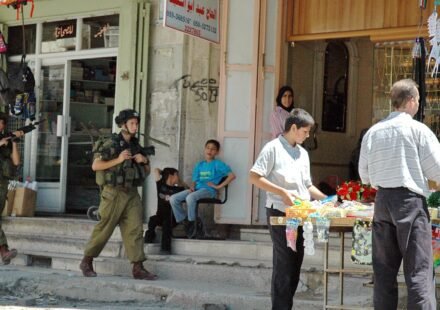
Netanyahu Says Hebron Neighborhood Linked to Checkpoint Attack Will Be Destroyed
Israeli Prime Minister Benjamin Netanyahu has vowed a forceful response after a shooting near a military checkpoint outside Hebron in the occupied West Bank left at least five Israelis wounded. Israeli forces killed two Palestinian men suspected of carrying out the attack, while authorities moved to tighten security and prepare for a wider closure of the territory.
The incident has renewed tensions in the West Bank just days before Israel’s parliamentary election, scheduled for October 27. Netanyahu’s government has described the shooting as a serious security threat and said it is stepping up operations against suspected militants.
Shooting Near Hebron Checkpoint
According to Israeli military accounts, the shooting occurred early Friday near a checkpoint outside Hebron, a major Palestinian city in the southern West Bank. The two men reportedly opened fire on Israeli forces, triggering an exchange of gunfire that lasted more than 20 minutes.
Israeli authorities identified the suspected attackers as Mohammad Jaaba and Firas Jaaba, both 27-year-old residents of Hebron. The military said soldiers killed both men during the confrontation. Emergency responders reported that at least five Israelis were wounded, including two who were in critical condition.
The Israeli military said a large quantity of ammunition was found in the suspects’ vehicle. Based on its preliminary investigation, the military believes the men may initially have intended to attack Israeli civilians on a nearby highway before opening fire at the checkpoint. That assessment has not yet been established through a completed investigation.
Netanyahu Orders Security Measures
Following the shooting, Netanyahu held a security assessment with senior military and intelligence officials. He ordered security forces to impose an immediate cordon around Hebron and prepare for a full closure of the occupied West Bank.
Netanyahu said Israeli forces were increasing operations to prevent further attacks and pursuing Hamas members and those suspected of supporting them. He also praised the soldiers who confronted the gunmen.
The planned restrictions could affect movement between Palestinian towns and villages, including access to workplaces, medical facilities and essential services. The precise scope and duration of any territory-wide closure remained unclear in the reports available on Friday.
Threat to Destroy the Suspects’ Neighborhood
The headline refers to a reported threat to destroy a neighborhood associated with the suspected attackers. Such a measure would carry serious consequences for residents beyond the two men accused of the shooting.
The reporting available for this article confirms Netanyahu’s orders for a Hebron cordon and preparations for a broader West Bank closure. However, it does not independently establish the exact scope of the reported neighborhood-destruction threat or whether a specific demolition order has been formally issued. Those details should be verified against a direct statement from the Israeli government or military before being presented as a confirmed action.
Any destruction of homes would also raise questions about the impact on families and other civilians who may have no involvement in the attack. The circumstances, legal basis and scope of any proposed demolitions therefore remain important issues to clarify.
Hamas and the Wider Security Situation
The shooting has added to tensions between Israeli authorities and Palestinian groups. Reports said Hamas praised the attack but did not initially claim responsibility in some accounts. Israeli officials have alleged that the suspects were planning a larger attack, while the military investigation is examining whether they acted alone or had connections to a wider network.
There has been no evidence in the cited reports establishing that the Palestinian Authority was involved in the incident. Nevertheless, some Israeli ministers used the shooting to demand tougher action against Palestinian institutions and armed groups, intensifying political debate over security policy in the West Bank.
Election Adds Political Pressure
The incident comes at a sensitive moment for Israel, with voters due to choose a parliament on October 27. Netanyahu cancelled scheduled political events following the shooting, according to reports, while security measures were expanded around Hebron and other parts of the West Bank.
The government’s response is likely to keep security policy at the centre of the election debate. At the same time, broad restrictions or punitive measures affecting Palestinian communities could deepen tensions and disrupt daily life across the occupied territory.
What Happens Next?
Israeli forces are continuing security operations in the Hebron area, while authorities prepare for possible wider restrictions. Key questions include whether investigators will find evidence of links between the suspected attackers and an organised group, how long movement restrictions will remain in place, and whether the reported threat against their neighborhood will lead to formal demolition orders.
For now, the shooting has prompted an immediate security response, but the details of any neighborhood destruction should be treated cautiously until confirmed by official documentation or further independently verified reporting.

Deadly Strike at Dammam Airport Raises Fresh Alarm Over Gulf Security
An attack targeting King Fahd International Airport in Dammam, eastern Saudi Arabia, killed one person and injured eight others on Wednesday evening, October 21, according to the kingdom’s civil aviation authority.
The General Authority of Civil Aviation (GACA) said the injured suffered wounds ranging from minor to critical and were taken to hospitals for medical treatment. Authorities were assessing the extent of damage to property following the incident.
The initial announcement did not specify the weapon used, identify those responsible or provide a detailed account of how the attack unfolded. These details remain important as Saudi Arabia faces heightened security concerns around civilian aviation and energy infrastructure.
Airport attack adds to a tense security picture
King Fahd International Airport serves Dammam and the wider Eastern Province, a strategically important part of Saudi Arabia that includes major energy facilities and industrial operations. An attack on civilian airport infrastructure can have consequences beyond the immediate casualties, potentially affecting passenger confidence, airline operations and regional travel.
Authorities have not yet provided a complete assessment of the damage or clarified whether the incident caused wider disruption to airport services. Travellers should rely on airline notifications and official airport updates for information about individual flights.
Separate incident reported at an oilfield
The airport attack came amid reports of another serious security incident in Saudi Arabia’s Eastern Province. The kingdom’s Energy Ministry said two people were killed and two others injured after debris fell following the interception of a drone targeting a facility at the Shaybah oilfield.
The ministry said the debris caused a fire in a contractor’s vehicle, while operations at the oilfield remained unaffected. The authorities have not publicly established that the airport incident and the Shaybah event were carried out by the same party.
Saudi military officials have also reported intercepting drones directed toward parts of the kingdom. Taken together, the incidents underline the pressure on Saudi air defences and the protection of critical civilian and energy sites.
Regional tensions and possible wider implications
The attacks come amid escalating hostilities involving Yemen’s Houthi movement and Saudi Arabia. The Houthis have been linked to previous attacks on Saudi targets, but responsibility for the Dammam airport incident should not be treated as confirmed unless authorities provide clear attribution.
The United States has ordered non-emergency government personnel and their family members to leave Saudi Arabia, citing increased threats and attacks on civilian airports and critical infrastructure. The decision reflects growing concern about the security environment, although it does not by itself establish who carried out this particular attack.
For airlines and travellers, the immediate questions are whether airport operations remain normal, whether additional security measures will be introduced and whether further attacks occur. For energy markets, continued threats to Gulf infrastructure could add to concerns about regional stability, but the effect on oil prices will depend on the scale and duration of any disruption.
What remains unknown
As of October 22, the Saudi civil aviation authority’s initial statement had confirmed one death and eight injuries, while damage assessments were continuing. The precise method of attack, the identity of those responsible and the full operational impact had not been established in the information available.
Further official updates will be needed to determine the circumstances of the incident and whether any additional security or travel measures follow.
The key takeaway: The Dammam airport attack has caused civilian casualties and renewed concerns over the security of Saudi Arabia’s transport infrastructure. The responsible party and the full extent of the damage remain unconfirmed.

Oil Prices Rise as Middle East Tensions Raise Fears of Supply Disruptions
Global oil prices edged higher on Wednesday as escalating tensions in the Middle East raised concerns about possible disruptions to crude supplies and shipping routes. Traders were monitoring attacks on vessels near the Strait of Hormuz and growing security risks around Saudi Arabia’s energy infrastructure.
Brent crude futures rose by 85 cents, or 0.78%, to $109.64 per barrel by 0022 GMT. US West Texas Intermediate (WTI) crude futures also gained 76 cents, or 0.78%, to reach $98.58 per barrel.
The gains followed a volatile session on Tuesday, when oil prices retreated after reaching their highest levels in five months. Brent had settled at $108.79 per barrel, down 0.69%, after touching an intraday high of $111.99. The November WTI contract, which expired on Tuesday, closed at $101.79, while trading in the more actively followed December contract remained below $100.
The latest increase reflects renewed concern that further military escalation could disrupt oil shipments, raise transportation costs and tighten supplies to major importing countries.
Tanker Attacks Increase Shipping Concerns
Maritime security has become a major concern for energy markets as attacks on commercial vessels have expanded across the region.
Iran’s Revolutionary Guards Navy said a supertanker caught fire after striking a sea mine south of the Strait of Hormuz on Tuesday. Iranian media reported the incident, but the circumstances and responsibility for the incident could not be independently established from the available information.
Ship-tracking firm Kpler reported at least 18 vessel attacks over a two-week period in a recent assessment cited by published reporting.
The risks are no longer limited to the immediate waters around the Strait of Hormuz. Analysts have warned that attacks extending into the Gulf of Oman could threaten loading operations and ship-to-ship transfers that have helped maintain regional oil exports.
The Strait of Hormuz is one of the world's most strategically important energy corridors. Large volumes of crude oil and petroleum products normally pass through the narrow waterway on their way to Asian and other international markets.
Any sustained interruption could force buyers to seek alternative supplies, increase freight costs and place upward pressure on oil prices.
Saudi Energy Infrastructure Under Pressure
The security situation has also raised concerns about Saudi Arabia, one of the world's largest oil producers and exporters.
Yemen's Houthi movement claimed on Monday that it had attacked several Saudi targets, including an Aramco facility in Yanbu, the Shaybah oilfield and airports in Riyadh and Abha. The claims had not been independently verified in the available reporting.
Any confirmed damage to major production, processing or export facilities could have significant consequences for the global oil market. Even when infrastructure remains operational, the possibility of further attacks can prompt traders to demand a higher risk premium for crude.
Saudi Arabia has invested in alternative export routes and infrastructure intended to reduce its dependence on the Strait of Hormuz. However, alternative routes cannot necessarily replace all the capacity and flexibility provided by the main maritime corridor.
Markets will therefore continue to watch for verified information about the condition of energy facilities, tanker movements and the security of export terminals.
Oil Prices Remain Volatile
The latest increase comes after a sharp rise in oil prices last week, when Brent crude briefly reached $110 per barrel for the first time since May.
Prices then moved in both directions as traders weighed military risks against diplomatic developments and the possibility of additional supplies reaching the market.
On Tuesday, Brent climbed as high as $111.99 before retreating and ending the session lower. The reversal showed that the market remains sensitive to changes in risk assessments, profit-taking and reports of possible diplomatic engagement.
Investors are also examining whether oil flows from the Middle East can remain stable despite the security threats. Higher prices do not necessarily mean that physical supplies have already fallen by the same amount; futures markets can rise in response to the possibility of future shortages.
A sustained increase would depend partly on whether shipping disruptions intensify, whether energy infrastructure is damaged and how quickly producers and transport operators can respond.
Asian Buyers Face Higher Transport Costs
Asian refineries are particularly exposed to developments in the Middle East because the region is an important source of crude oil for many economies across the continent.
Rising tanker rates have forced refiners to reconsider how they purchase and transport oil. Some companies are turning to smaller vessels, securing longer-term shipping arrangements or buying crude on a delivered basis, under which sellers take responsibility for arranging transportation.
The shift reflects the growing importance of freight costs in determining the final price of crude delivered to a refinery.
Reuters reported that shipping costs for moving US crude to Asia had climbed to around $40 per barrel in some cases. Higher freight and insurance expenses can make supplies from distant producers less attractive, even when the underlying crude price appears competitive.
Refiners may respond by sourcing more oil from nearby suppliers, changing shipment sizes or drawing on existing inventories. However, these adjustments can take time and may not fully offset a prolonged disruption to regional trade.
What Higher Oil Prices Could Mean for Consumers
A sustained rise in crude prices can increase costs throughout the energy supply chain. Refineries pay more for feedstock, shipping companies face higher fuel and insurance bills, and businesses may experience greater transportation expenses.
The eventual effect on petrol, diesel, aviation fuel and other petroleum products depends on local taxes, refining margins, exchange rates, government policy and the timing of fuel-price adjustments.
For India, which imports a substantial share of its crude oil requirements, a prolonged rise in international prices could increase the country's import bill and place pressure on foreign-exchange demand. The impact on domestic fuel prices would depend on movements in the rupee, international product prices and decisions by fuel retailers and the government.
Higher energy costs can also feed into inflation if transport, manufacturing and distribution businesses pass additional expenses on to consumers.
However, one or two sessions of rising oil prices do not automatically translate into an immediate increase at petrol pumps. The duration and scale of the price movement are important factors.
Traders Watch for Further Escalation
Market participants will continue to monitor developments around the Strait of Hormuz, the Gulf of Oman and Saudi energy infrastructure.
Diplomatic efforts could help reduce the geopolitical risk premium if they produce credible steps towards de-escalation. Conversely, additional verified attacks on vessels or oil facilities could push prices higher by increasing uncertainty about the reliability of supplies.
Traders will also watch inventory data and announcements from major producers for signs of changes in the balance between supply and demand.
For now, oil markets remain caught between continuing geopolitical risks and the possibility that producers and shipping operators can keep crude moving despite the security challenges.