16 Killed After Magnitude-7 Earthquake Strikes Tibet, Rescue Operations Underway

At least 16 people have been killed after a powerful magnitude-7.0 earthquake struck the Tibet region of southwestern China on Thursday evening, October 22, damaging homes and triggering emergency rescue operations, according to reports from the affected region.
The earthquake struck at approximately 10:33 p.m. local time. Its epicentre was located in a sparsely populated, high-altitude area of Nagqu in northern Tibet, at a depth of around 10 kilometres, according to seismic data reported by Chinese authorities. The epicentre was approximately 400 kilometres from Lhasa, the regional capital.
Dozens Injured as Homes Sustain Damage
Initial reports said 32 people had been injured, including 11 who were in serious condition. Some homes in villages near the epicentre developed structural cracks, while local emergency and fire-rescue teams were mobilised to assist affected communities.
The earthquake was followed by several smaller tremors measuring around magnitude 3 to 4. Authorities and rescue teams continued assessing the damage and responding to reports from affected areas.
Rescue and Relief Efforts
Emergency responders have been sent to the affected region as officials work to assess casualties, inspect damaged buildings and provide assistance to residents. The area’s high elevation, remote location and difficult terrain may complicate rescue and relief operations.
The death toll and injury figures may change as authorities receive further information from villages and conduct additional assessments.
A Region Vulnerable to Earthquakes
Tibet and neighbouring parts of the Himalayan region are seismically active because of the ongoing movement of tectonic plates. Strong earthquakes in this broader region can cause severe damage, particularly in communities where buildings may be vulnerable and access for emergency teams is difficult.
Authorities are expected to continue monitoring aftershocks and assessing the safety of affected structures as rescue efforts proceed.
Taiwan Braces for Typhoon Champi as 125 Flights Are Cancelled
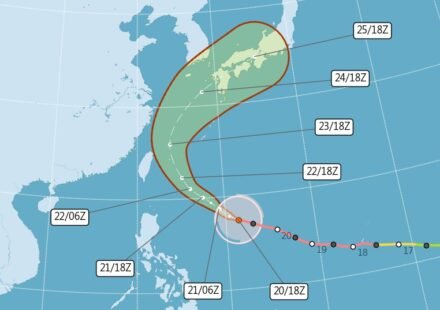
Taiwan has issued a land warning as powerful Typhoon Champi approaches the island, prompting authorities to cancel 125 flights and warn residents about dangerous winds, heavy rainfall and high waves. The storm is expected to pass close to Taiwan’s northeastern coast before turning north towards waters near China and eventually moving towards southern Japan.
Although Champi has weakened slightly after reaching super typhoon strength, it remains a major weather threat. Taiwan’s Central Weather Administration reported wind gusts exceeding 227 kilometres per hour near the storm’s centre. Forecasters warned that its effects could last for nearly two days.
Storm track and expected impact
According to Taiwan’s weather administration, Champi’s circulation has expanded to a radius of about 320 kilometres, bringing the potential for severe weather across a broad area of the island. The storm is forecast to pass off the northeastern coast late Friday, October 23, before moving northward. Its exact track and intensity may still change as updated forecasts become available.
Authorities have warned coastal communities about waves exceeding six metres. Northern Taiwan’s mountainous areas, including hills around the capital Taipei, could receive exceptionally heavy rainfall, with some forecasts indicating totals approaching one metre. Such rainfall can raise the risk of flash floods, landslides and road closures, particularly in steep terrain.
President Lai Ching-te urged people to prepare in advance and avoid visiting mountains and coastal areas during the storm. The warning is especially important for people planning outdoor activities, fishing trips or travel to exposed coastal locations.
Flights and transport disrupted
Taiwan’s transport authorities reported that 125 flights had been cancelled on Thursday, most of them domestic services. At the time of the report, the rail network had not been affected, and officials had not reported any resident evacuations. However, transport arrangements may change as conditions deteriorate.
The storm is also disrupting travel in Japan. Japan Airlines, All Nippon Airways and Skymark cancelled more than 100 flights scheduled between Thursday and Sunday, affecting more than 11,000 passengers, according to reports. The storm is forecast to pass over Yonaguni, the westernmost inhabited island in Japan’s Okinawa Prefecture.
Passengers travelling through Taiwan or Japan should check directly with their airlines before leaving for the airport. Ferry services, tourist attractions and coastal activities may also face suspensions depending on local conditions.
Why the warning matters
Typhoons can produce dangerous conditions even when the storm’s centre does not cross directly over land. Strong winds, heavy rain, high surf and landslides can disrupt transport, damage infrastructure and threaten communities far from the eye of the storm.
Taiwan has established systems for typhoon monitoring and emergency preparedness, but the storm’s wide circulation and potential rainfall make it important for residents to follow official advisories. The immediate priority is to reduce exposure to dangerous coastal waters and unstable mountain slopes while emergency services prepare for possible flooding and wind damage.
What happens next?
Champi is expected to have its greatest influence on Taiwan on Friday and Saturday, with the system forecast to move farther away afterwards. Its path is expected to turn north, toward the seas off China, before the storm heads in the direction of southern Japan. The forecast remains subject to change.
As of October 22, the main confirmed impacts were the issuance of a land warning and flight cancellations. The final extent of damage, rainfall totals and any further transport disruption will become clearer as the storm passes.
Key takeaway: Taiwan is preparing for Typhoon Champi with warnings and travel disruptions already in place. Residents and visitors should monitor official weather updates and avoid exposed coastal and mountainous areas during the storm.