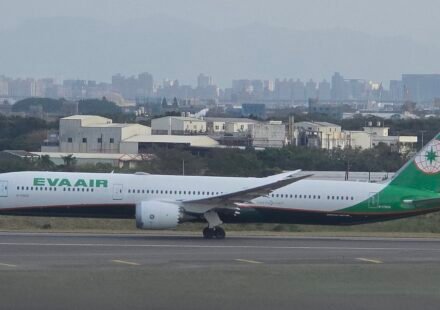
Pakistan Reverses Taiwan Airspace Decision, Reopening Route for Major Airlines

Pakistan has reversed its reported decision to block Taiwanese airlines from using its airspace, granting China Airlines and EVA Airways permission to operate over the country until March 27, 2027. The shift comes just hours after reports emerged that Islamabad had restricted the carriers in support of Beijing’s One-China policy, creating uncertainty for airlines operating long-haul routes between Asia and Europe.
Documents reviewed by Pakistani media indicate that the two Taiwanese carriers have been authorised to use Pakistani airspace from October 28 through March 27, 2027. The development changes the immediate outlook for the airlines after flight-tracking data showed that their aircraft had stopped crossing Pakistan from October 25.
The reversal raises questions about how the original restriction was implemented, why the decision changed so quickly and whether the latest permission will remain in place for the full period. No detailed public explanation for the change was available in the reports reviewed.
From Airspace Restriction to Renewed Permission
The controversy began when reports indicated that Pakistan had stopped Taiwanese commercial airlines from flying through its airspace. Defence Minister Khawaja Asif was quoted as saying that the country’s aviation policy followed the One-China position and that only airlines from mainland China would be permitted to overfly Pakistani territory.
That reported restriction affected two major Taiwanese carriers: China Airlines and EVA Airways. Both operate international services connecting Taiwan with destinations in Europe and other regions.
Flight-tracking information showed that the airlines had begun avoiding Pakistani airspace over the weekend. At least a dozen flights between Asia and Europe were reported to have used Russian airspace instead.
The subsequent permission, covering the period through March 2027, represents a significant change from the earlier position. However, the available reports do not establish whether the original restriction was formally withdrawn through a separate public order or whether the new approvals were issued through a different administrative process.
Why Pakistani Airspace Matters to Taiwan-Europe Flights
Pakistan occupies an important geographical position for flights connecting parts of East Asia with Europe. Depending on their destinations and operational requirements, airlines can use several corridors, but avoiding a major airspace region may require longer journeys.
When a carrier loses access to a preferred route, flight planners must consider alternative paths, fuel consumption, crew schedules, weather conditions and air traffic restrictions in other countries.
The recent rerouting of Taiwanese flights through Russian airspace illustrated how quickly airlines may have to adjust when access to a corridor changes. Other alternatives can involve routes farther south, potentially increasing flight time and fuel requirements.
Longer routes can raise operating costs and complicate aircraft scheduling. If the changes persist, airlines may need to adjust departure times, connections or other aspects of their international operations.
The new authorisations could reduce that uncertainty for the affected carriers, although the practical benefit will depend on whether flights can consistently use the approved routes and whether any additional conditions apply.
China’s One-China Policy Remains at the Centre of the Dispute
The dispute is closely connected to the political status of Taiwan.
Beijing considers Taiwan part of China and opposes measures it believes treat the island as an independent state. Pakistan has long supported Beijing’s One-China policy and maintains close diplomatic, economic and defence ties with China.
Taiwan, which has its own elected government and operates separately from the People’s Republic of China, rejects Beijing’s claim to sovereignty over the island.
The airspace controversy therefore goes beyond routine aviation administration. Restrictions based on an airline’s connection to Taiwan can carry diplomatic implications, particularly when they affect scheduled commercial passenger services rather than only government or official aircraft.
Pakistan’s latest authorisations change the immediate aviation position, but they do not indicate any broader shift in Islamabad’s diplomatic stance on Taiwan. No such change was established in the available reporting.
What the Reversal Means for China Airlines and EVA Air
For China Airlines and EVA Airways, the permission provides a clearer basis for planning flights through Pakistani airspace during the authorised period.
Access to a preferred corridor can help airlines manage journey times, fuel requirements and connections. It can also reduce the need for last-minute route adjustments that may affect passengers and airline operations.
Nevertheless, the approval should not be interpreted as a guarantee that every flight will use Pakistani airspace. Airlines must still account for operational decisions, air traffic conditions, safety notices and any applicable restrictions.
Neither carrier had publicly explained the full operational impact of the earlier rerouting in the reports reviewed. The longer-term effect on schedules and costs will depend on how the new permissions are applied.
Questions Remain Over the Policy Change
The speed of the reversal leaves several questions unanswered.
The available reporting does not explain why the earlier restriction was introduced, what prompted the subsequent permission or whether the authorisations contain conditions that could affect particular routes.
It is also unclear whether Pakistan will review the arrangement before the March 2027 expiry date. The stated end date establishes the period covered by the reported approvals, but it does not guarantee that the policy will remain unchanged throughout that time.
Further clarification from Pakistan’s aviation authorities and the airlines could help establish whether the latest decision is a temporary operational arrangement or a more lasting change in how Taiwanese carriers are treated.
Aviation Decisions Can Carry Diplomatic Consequences
Airspace access is an important part of international aviation, but decisions about it can also reflect wider political relationships. Governments have authority over the airspace above their territory, while airlines must comply with the permissions and restrictions applicable to their routes.
In this case, the reported restriction and subsequent reversal have highlighted the connection between Pakistan’s relationship with China, Taiwan’s international position and the practical demands of commercial aviation.
For passengers, the immediate concern is whether flight schedules remain stable and whether route changes affect travel times. For airlines, the priority is to obtain reliable information so they can plan services without unexpected disruption.
What happens next will depend on implementation. Pakistan’s reported approval through March 27, 2027, offers a route forward for China Airlines and EVA Airways, but further official clarification is needed to explain the abrupt policy change and confirm the conditions attached to the permissions.