Washington Approves $2.1 Billion Air Defence Package to Help Ukraine Counter Russian Attacks

The United States has approved a proposed $2.1 billion sale of 500 Patriot PAC-3 interceptor missiles to Ukraine, strengthening Kyiv’s efforts to protect its cities, energy infrastructure and civilian population from Russian missile attacks.
The approval, announced by the US State Department on Friday, October 30, marks an important step in securing additional air defence ammunition for Ukraine. The purchase will be financed through contributions from Canada, Germany and Norway under the US JUMPSTART programme, alongside funding connected to the European Union’s Ukraine Support Loan. The US government said the arrangement would not use American funds to pay for the missiles.
The decision comes as Ukraine continues to face attacks on residential areas, transport infrastructure and energy facilities. Ukrainian President Volodymyr Zelenskyy has pressed Washington to accelerate approval of critical interceptor supplies, warning that the country needs more ammunition to defend against incoming ballistic missiles.
However, approval of the sale does not mean the missiles will reach Ukraine immediately. Production capacity, delivery schedules and competing international demand remain important factors.
Why Ukraine Needs More Patriot Missiles
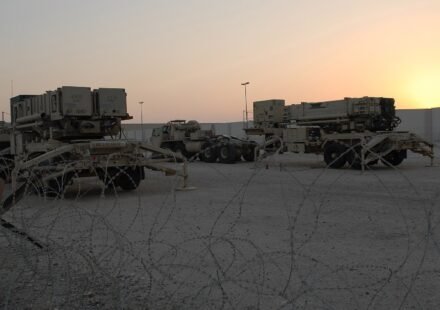
The Patriot air defence system is one of the principal tools available to Ukraine for intercepting certain advanced aerial threats, including ballistic missiles.
Unlike conventional air defence weapons designed primarily for aircraft or slower-moving targets, Patriot systems can engage some fast-moving missiles that are difficult to intercept using other defences.
Russia has repeatedly used missiles and drones against Ukrainian cities and critical infrastructure. As the war continues, Kyiv must protect military facilities while also defending power stations, transport networks and densely populated areas.
A shortage of interceptor ammunition can force commanders to make difficult decisions about which incoming threats to prioritise. Additional missiles could help Ukraine maintain defensive coverage, although their effectiveness will depend on the number of operational launchers, radar systems, trained personnel and the scale of incoming attacks.
The approved package includes 500 PAC-3 interceptors. These missiles are designed to engage high-speed threats, making them particularly important for Ukraine's defence against certain ballistic missile attacks.
European Partners Will Finance the Purchase
The financial arrangement highlights the continuing role of European countries in supporting Ukraine's military needs.
Canada, Germany and Norway are contributing funding through the American JUMPSTART mechanism, which allows partner countries to finance the procurement of US-made weapons, equipment and related services for Ukraine.
Additional financing is connected to the European Union's Ukraine Support Loan. This arrangement enables Kyiv to obtain American-made defensive equipment while drawing on resources provided by international partners.
The system also illustrates a practical limitation of military assistance: countries may be willing to fund weapons, but they cannot necessarily obtain them immediately when manufacturers are facing high demand.
The United States remains an important supplier of advanced air defence equipment, while European governments are seeking ways to strengthen Ukraine's defences without relying entirely on their own existing stockpiles.
Approval Follows Pressure From Kyiv
The announcement follows growing concern in Ukraine about the pace of deliveries.
Zelenskyy said earlier in the week that Kyiv had been waiting for nearly a month for approval of critical missile supplies. His government has repeatedly called for faster deliveries as Russian attacks continue.
The delay had added to tensions between Washington and Kyiv over the wider direction of American policy toward the conflict.
US and Ukrainian officials have also disagreed over aspects of military strategy and negotiations with Moscow. Nevertheless, the newly approved sale indicates that the United States is continuing to facilitate the supply of important defensive weapons to Ukraine.
The immediate challenge is turning the approval into actual deliveries at a pace that meets Ukraine's operational requirements.
Missile Production Remains a Major Constraint
The deal also highlights the pressure on the international supply chain for advanced air defence weapons.
Lockheed Martin is the principal contractor for the approved sale. The company manufactures the Patriot interceptor missiles and is working to increase production capacity as demand grows among the United States and its allies.
In July, the US Army awarded Lockheed Martin a contract worth up to $58.6 billion for Patriot interceptor production. The company has said the investment would help it increase manufacturing capacity significantly, with a target of tripling PAC-3 MSE production capacity by the end of 2030.
However, expanding production takes time. Manufacturing advanced interceptors requires specialised components, skilled workers, testing facilities and tightly controlled production processes.
The United States also needs to maintain sufficient ammunition for its own forces and commitments to other allies. Demand has been further strained by American military operations in the Middle East.
This creates a difficult balance between supporting Ukraine, replenishing national stockpiles and meeting the needs of other countries that operate Patriot systems.
What the Deal Could Mean for Ukraine
Analysis: The approved sale could improve Ukraine's ability to sustain its air defences, particularly if deliveries arrive before further large-scale Russian attacks.
A larger supply of interceptors could give Ukrainian commanders greater flexibility when protecting major cities and critical infrastructure. It could also reduce some of the pressure created by ammunition shortages.
However, the deal should not be interpreted as a guarantee that Ukraine will be able to intercept every incoming missile. Air defence systems have operational limits, and the outcome of an engagement depends on factors including the type of weapon used, warning time, system availability and the number of simultaneous targets.
The funding arrangement also demonstrates how European governments can help Ukraine obtain advanced American equipment without the entire purchase being financed directly by Washington.
For Russia, the continued strengthening of Ukraine's air defences could complicate efforts to damage important infrastructure through missile attacks. Moscow may nevertheless continue using a mixture of missiles and drones to test Ukrainian defensive capacity.
For European governments, the deal reinforces the importance of increasing industrial output and coordinating military assistance over the longer term.
A Step Forward, but Delivery Is the Key Test
The approval of the $2.1 billion package represents a significant development in Ukraine's effort to obtain more advanced defensive ammunition.
Yet the announcement is only one stage in the process. The timing of deliveries, available production capacity and Ukraine's continuing operational needs will determine how quickly the additional missiles can make a difference.
As the war continues, Kyiv will remain dependent on a combination of air defence equipment, ammunition supplies, domestic production and international assistance.
The central question is no longer simply whether partners are prepared to finance more weapons, but whether manufacturers and governments can deliver them quickly enough to meet Ukraine's urgent defensive requirements.