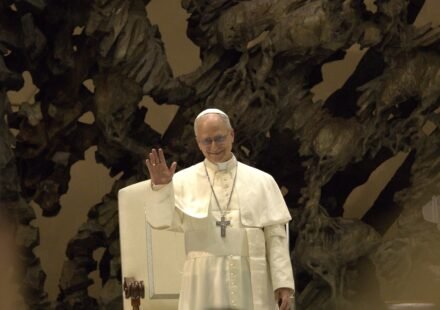
Pope Leo XIV Diagnosed With Lung Cancer After Surgery to Remove Part of Right Lung, Vatican Says

Pope Leo XIV has been diagnosed with lung cancer after doctors removed the lower lobe of his right lung during surgery in Rome, the Vatican has confirmed. The 71-year-old pontiff underwent the procedure at Agostino Gemelli University Hospital on Tuesday, October 13.
According to the Vatican’s medical bulletin, tests conducted during the operation confirmed lung adenocarcinoma, a type of lung cancer. The diagnosis had been suspected following examinations before surgery.
Surgery Completed Without Complications
The Vatican said the operation lasted approximately 90 minutes, while the Pope spent about three hours in the operating room. The procedure was completed successfully, with no complications reported.
Doctors removed the lower lobe of the right lung using a video-assisted surgical technique. The stated aim was to remove the affected tissue in an effort to treat the cancer.
Following the operation, Pope Leo regained consciousness normally and returned to his hospital room, according to the medical update.
Further Tests Will Help Guide Treatment
Although the diagnosis has been confirmed, important medical details remain unknown. Further examination of the removed tissue and lymph nodes will help doctors assess the extent of the disease and determine whether additional treatment is needed.
The Vatican has not provided a confirmed cancer stage or a detailed prognosis. It has also said that chemotherapy or other therapies are not currently being considered while doctors await further test results.
The available information does not establish whether the cancer has spread beyond the affected part of the lung.
Pope Expected to Remain in Hospital
The Pope is expected to remain at Gemelli Hospital for approximately one week while he recovers from surgery. The Vatican has cancelled his public audiences through October 20.
Further updates on his recovery and treatment are expected from the Holy See as additional medical information becomes available.
What Is Lung Adenocarcinoma?
Lung adenocarcinoma is a form of non-small cell lung cancer that begins in cells lining the lungs. Its outlook and treatment depend on factors including the stage of the cancer, whether lymph nodes are involved and whether it has spread to other parts of the body.
In Pope Leo XIV’s case, the full medical assessment remains pending, and no definitive conclusion about his long-term prognosis can yet be drawn from the information released publicly.
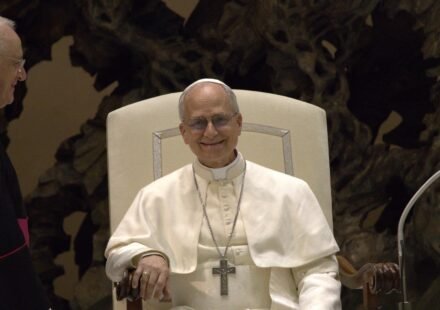
Pope Leo XIV Admitted to Rome Hospital Ahead of Lung Surgery as Vatican Cancels Public Events
Pope Leo XIV was admitted to Rome’s Gemelli Hospital on Tuesday ahead of surgery to remove a small nodule in his lung, marking the first major publicly disclosed health concern of his papacy.
The 71-year-old pontiff announced on Sunday that doctors had discovered a localised lung nodule during recent medical examinations. He said the growth had been detected at an early stage and that his medical team recommended surgery to remove it.
The Vatican confirmed that the Pope would be admitted to the hospital on Tuesday, October 13. Reports said the procedure was expected to take place during the day, although the precise timing and outcome should be confirmed through subsequent Vatican updates.
Vatican Cancels Public Engagements Until October 20
The Pope’s upcoming public engagements have been cancelled through October 20 to allow time for the medical procedure and recovery.
The hospital stay is expected to last approximately one week, according to Vatican statements reported by international news organisations.
The cancellation affects the Pope’s public schedule while the Vatican monitors his recovery. Further information about his condition and the timing of his return to public duties is expected from official sources.
What Is a Lung Nodule?
A lung nodule is a small area of abnormal tissue in the lung. Such nodules can have different causes, including inflammation, infection or cancer, and their significance depends on factors such as their size, appearance and medical history.
The Vatican has described the Pope’s nodule as small, localised and detected early. It has not publicly confirmed whether the growth is benign or malignant.
The planned procedure is intended to remove the nodule and allow doctors to assess it. No diagnosis of cancer should be inferred from the decision to operate.
Pope Thanks People for Their Prayers
Pope Leo disclosed the planned operation during his Sunday Angelus address, telling the faithful that his doctors had recommended intervention. He thanked people for their closeness and prayers ahead of the procedure.
The announcement has drawn attention from Catholics and religious communities worldwide, as well as from international observers following the health of the head of the Catholic Church.
November Trip to Latin America Remains on the Schedule
The Pope is scheduled to visit Uruguay, Argentina and Peru from November 6 to 17. Before entering hospital, he indicated that he intended to proceed with the trip.
Whether the operation will affect those plans will depend on his recovery and further medical advice. The Vatican has not announced a change to the tour in the reports available at the time of writing.
What Happens Next?
The immediate priority is the surgery and the Pope’s recovery. The Vatican is expected to provide further information as appropriate, including updates on the procedure and his return to public activities.
For now, the confirmed information is that the nodule was detected during medical examinations, doctors recommended its removal, and the Pope was scheduled for hospital treatment in Rome. Its medical nature and the final outcome of the procedure have not yet been publicly established.