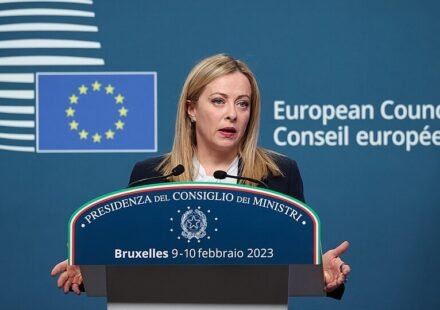
Meloni Calls Trump’s Russia Diesel Deal a ‘Very Risky Choice’ Amid Ukraine War

Italian Prime Minister Giorgia Meloni has criticised a diesel supply agreement between the United States and Russia, describing the move as a “very risky choice” that could undermine Western efforts to pressure Moscow to negotiate an end to the war in Ukraine.
Speaking to Italy’s parliament on Wednesday ahead of a European Union summit, Meloni questioned whether the agreement would deliver meaningful benefits while warning that it could provide Russia with additional revenue as its war against Ukraine continues.
The remarks highlight growing tensions between energy security priorities and the sanctions imposed on Russia following its full-scale invasion of Ukraine in February 2022.
What Is the US–Russia Diesel Deal?
According to Reuters, the United States and Russia agreed last week that Moscow would initially supply more than 300,000 metric tonnes of diesel to US and global markets.
US President Donald Trump has defended the arrangement, arguing that additional fuel supplies could help bring down energy prices. Fuel costs have become a significant political and economic concern in the United States.
However, the deal has raised questions about the relationship between Washington’s energy policy and its broader strategy towards Russia’s war in Ukraine.
The precise arrangements, including how much fuel will ultimately reach particular markets, remain important factors in assessing the deal’s impact.
Why Meloni Is Concerned
Meloni told lawmakers that the benefits of the agreement were uncertain, while its risks were clearer. She argued that the arrangement could lend legitimacy to Moscow, generate additional revenue for Russia’s war effort and weaken the effectiveness of sanctions.
Her criticism reflects a wider European concern that commercial arrangements with Russia could complicate efforts to increase pressure on President Vladimir Putin.
Meloni’s comments were made ahead of an EU summit at which leaders were expected to discuss the war, European security and the bloc’s response to Russian activities.
Ukraine Also Criticises the Agreement
Ukrainian President Volodymyr Zelenskyy has also criticised the diesel arrangement, describing it as an investment in prolonging the war.
Ukraine has repeatedly urged Western partners to maintain economic pressure on Russia, arguing that revenue from energy exports helps Moscow sustain its military operations.
The controversy comes as Ukrainian cities and energy infrastructure continue to face Russian attacks. European governments are also concerned about cyberattacks, sabotage and other activities they attribute to Russian-linked operations.
Trump Defends the Energy Decision
Trump has presented the agreement as a way to increase fuel availability and ease prices. His administration’s position reflects the pressure governments face when energy shortages and rising prices affect households and businesses.
Critics, however, question whether the arrangement will provide substantial relief to consumers and whether any economic benefits would justify the geopolitical risks.
The agreement has also drawn criticism from lawmakers in the United States, where concerns have been raised about sanctions and the legal basis for permitting Russian energy supplies.
Meloni Calls for a Stronger European Role
Beyond the diesel agreement, Meloni urged European Union countries to appoint an authoritative representative to negotiate on the Russia–Ukraine conflict.
She also suggested that France, Germany and the United Kingdom—the E3 group—could act with a formal mandate on behalf of the wider European Union if those countries were to take the lead in negotiations.
Her proposal reflects a debate within Europe over how the bloc can coordinate its diplomatic efforts and strengthen its influence in discussions about the future of the war.
Meloni additionally called for stronger protection of critical infrastructure, including energy networks, ports, airports and undersea cables, amid concerns about hybrid threats.
What Happens Next?
The impact of the diesel deal will depend on the quantity of fuel delivered, the markets it reaches and its effect on prices. Its broader political consequences will depend on how Washington and its European partners balance energy needs with their policies towards Russia.
Meloni’s criticism makes clear that the agreement is not simply a commercial arrangement: it has become part of a wider debate about sanctions, energy security and Western unity over Ukraine.
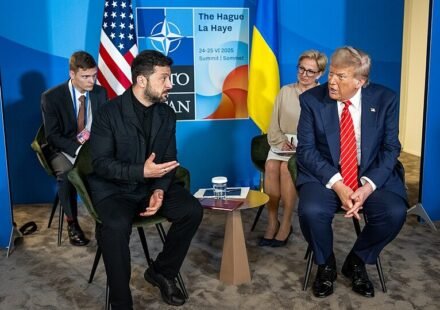
Trump Turns Up Heat on Zelenskyy: ‘Get a New President’ Remark Sparks Fresh Ukraine Row
US President Donald Trump has called for Ukraine to elect a new president, escalating tensions with Ukrainian President Volodymyr Zelenskyy after he criticised Washington’s decision to allow Russian diesel supplies amid the ongoing war.
Speaking to reporters at the White House on October 10, Trump argued that Ukraine needed a leader willing to reach an agreement to end the conflict with Russia. His remarks came a day after he announced a diesel supply arrangement with Russian President Vladimir Putin, a move that drew strong criticism from Kyiv and several European officials.
“I suggest they get a new leader who can make a deal,” Trump said, adding that he believed it was time for Ukraine to have a new president.
The comments marked another public dispute between Washington and Kyiv over how to end Russia’s full-scale invasion of Ukraine, which began in February 2022.
Zelenskyy Calls Russian Diesel Deal a Weak Decision
Zelenskyy strongly criticised the agreement, arguing that easing restrictions on Russian fuel exports could provide Moscow with additional revenue to sustain its military campaign.
The Ukrainian president described the decision as a weak move by Washington and warned that allowing Russia to sell petroleum products would help finance a war that should be brought to an end.
Zelenskyy also expressed frustration that the agreement was announced while Ukrainian officials were holding discussions with US representatives about possible ways to end the conflict.
Kyiv has consistently urged Washington and its allies to increase pressure on Moscow rather than relax restrictions on Russian energy exports.
The dispute has raised questions about coordination between the United States and Ukraine at a time when diplomatic efforts to end the war remain uncertain.
Trump Defends Deal to Ease Diesel Supply Restrictions
Trump has defended the agreement as a way to increase fuel supplies and address high energy costs affecting American consumers and businesses.
He announced that Russia would immediately provide more than 300,000 tonnes of diesel, followed by additional shipments. The White House presented the move as part of an effort to improve fuel availability as prices remain a concern ahead of the US midterm elections.
The US Treasury Department also issued a temporary licence easing sanctions on certain Russian diesel shipments. The precise commercial arrangements, payment terms and longer-term implications of the agreement were not fully clear in initial reports.
The decision represents a significant policy shift from the sanctions pressure Washington has applied to Russia over its invasion of Ukraine.
Critics argue that allowing additional Russian energy exports could undermine those efforts and provide Moscow with financial benefits. Supporters of the arrangement point to the need to address energy supply and domestic price pressures.
Trump Blames Ukraine’s Attacks on Russian Energy Infrastructure
Trump has also criticised Ukrainian attacks on Russian oil refineries and other energy infrastructure, arguing that they contribute to fuel-price pressures.
He said Zelenskyy should stop targeting Russian refineries, warning that the attacks could create further problems for global energy markets.
Ukraine has defended its strikes as part of its campaign against Russian military and energy infrastructure supporting the invasion. Kyiv has also accused Moscow of repeatedly attacking Ukrainian cities and critical infrastructure.
The two sides remain far apart over the conditions required for a ceasefire or broader peace agreement.
Ukrainian Officials Defend Zelenskyy
Ukraine’s Foreign Minister Andrii Sybiha defended Zelenskyy following Trump’s comments, saying the Ukrainian people had the right to decide who leads their country.
His response underlined Kyiv’s position that Ukraine’s political future should be determined domestically rather than through pressure from foreign governments.
The public exchange also highlights the delicate relationship between the two countries as US officials continue to explore diplomatic options for ending the war.
Peace Efforts Face Fresh Uncertainty
The dispute emerged as Ukrainian, European and US representatives continued discussions about a possible framework for ending the conflict. The diesel agreement has complicated those efforts by creating new disagreements over sanctions, Russian energy revenue and the strategy for securing peace.
Russia has maintained its military campaign while insisting that any settlement must address its demands. Ukraine, meanwhile, has called for security guarantees and measures to prevent further Russian attacks.
It remains uncertain whether the latest diplomatic discussions will produce a breakthrough. Trump’s call for new Ukrainian leadership adds another layer of political tension to negotiations already complicated by competing demands.
For Ukraine, the immediate challenge remains defending its territory while seeking international support. For Washington, the disagreement raises questions about how to balance energy costs, relations with Moscow and commitments to Kyiv.

Russian Strike Damages Second Major Bridge in Kyiv, Mayor Says
A Russian air attack damaged a major bridge over the Dnipro River in Kyiv on Saturday, marking the second key bridge in the Ukrainian capital to come under attack in recent days, Kyiv Mayor Vitali Klitschko said.
The Northern Bridge, which connects the eastern and western parts of Kyiv, was hit during the attack. Emergency services were sent to the site after the strike damaged sections of the road surface and overhead trolleybus cables.
Traffic across the bridge from the eastern bank toward the western side was suspended following the attack. No casualties were reported from the bridge strike, according to officials cited by Reuters.
Southern Bridge Also Hit
The attack on the Northern Bridge came after repeated Russian drone strikes on Kyiv's Southern Bridge over the previous two days.
Those attacks had already disrupted traffic across the Southern Bridge and temporarily affected other crossings over the Dnipro, creating major congestion in the capital.
Kyiv relies heavily on its bridges because a large share of the city's population lives on the eastern side of the river while many government institutions, businesses and workplaces are located on the western bank.
Growing Pressure on Kyiv's Infrastructure
The latest strikes are part of a broader escalation in Russian attacks on infrastructure in and around Kyiv.
Ukrainian officials have warned about increasing pressure on critical infrastructure, including transport networks and energy facilities, as the country prepares for another difficult winter.
The recent attacks on bridges have also created additional problems for residents trying to travel between the two sides of the capital. Local authorities have been working to manage traffic and restore movement where possible.
The Northern Bridge attack also comes amid renewed Russian air and drone attacks across Ukraine. Other parts of the country have reported damage and casualties in separate strikes in recent days.
Moscow's Position
Russia has previously denied systematically targeting civilians in its air campaign against Ukraine and has said that its strikes are directed at military or strategically important targets.
Ukrainian authorities, meanwhile, have repeatedly accused Russia of targeting critical infrastructure and civilian areas.
The circumstances and full extent of the damage to Kyiv's Northern Bridge are still being assessed.
Source attribution: Reuters, Kyiv Mayor Vitali Klitschko and other Ukrainian and international reporting.