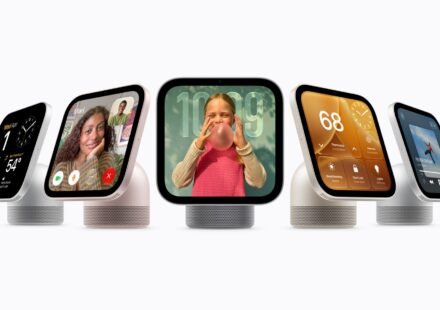
Apple Unveils $299 HomeView Hub in Major Push to Expand Its Smart Home Ecosystem

Apple has unveiled its new $299 HomeView smart home hub, expanding its product lineup as the company seeks to make its ecosystem a bigger part of everyday life at home.
Announced on October 13, HomeView combines a touchscreen display, speaker, video calling and smart home controls in a single device. Apple says the product is designed to serve as a shared household screen while providing personalised experiences for individual family members.
The launch forms part of Apple's wider smart home strategy, which also includes updated Apple TV hardware, a new HomePod mini and connected home accessories developed with partner companies.
According to Apple's official announcement, pre-orders for HomeView opened on October 13 in several markets, including India, the United States, the United Kingdom, Canada, Australia and New Zealand. Availability is scheduled to begin on November 13.
HomeView Price and Key Features
HomeView starts at $299 in the United States. Apple is offering a tabletop version and a wall-mounted model at the same starting price.
The device features a 7-inch Liquid Retina display attached to a speaker base. Its design allows the screen to tilt for more comfortable viewing on a desk, kitchen counter or bedside table. The wall-mounted version is intended for spaces such as hallways and entryways.
Key features include:
• 7-inch display: Shows personal information, photos, controls and other content.
• Siri AI: Enables voice-based interaction and smart home commands.
• Face recognition: Personalises the experience for different household members.
• FaceTime: Supports video calls with compatible Apple devices and services.
• Entertainment: Plays music and displays photos and other supported content.
• Smart home dashboard: Lets users control compatible lights, thermostats, locks and cameras.
Apple says HomeView can recognise individual users and display relevant personal content, including information from supported apps such as Calendar, Messages and Reminders when paired with a compatible Apple Intelligence-enabled device.
How HomeView Controls a Smart Home
HomeView is designed to bring compatible smart home devices together in one interface. Users can ask Siri to adjust lights, change thermostat settings, control door locks and access supported camera feeds.
Apple says its Home Camera interface can display up to nine live video feeds simultaneously. With compatible cameras and a supported iCloud+ subscription, users can also receive security notifications and access features such as recognition of familiar people, pets, packages and vehicles.
These functions depend on compatible accessories, software and subscriptions where required. They are not automatically available with every third-party smart home product.
The device is intended to work within Apple's existing Home ecosystem, allowing customers to manage supported connected accessories without relying on separate control screens for every device.
Privacy and Personalised Experiences
One of HomeView's central features is its ability to distinguish between household members. Apple says the device can recognise users by their faces and adapt the screen to show personal content.
That approach could make a shared device more convenient for families, but it also makes privacy settings important. Users should review which personal information is accessible on a shared display and understand how connected cameras, microphones and accounts are configured.
Apple says HomeView was designed with privacy and security in mind. Those assurances describe the company's stated approach; real-world security also depends on device settings, account protection, software updates and the connected accessories a household uses.
Apple Faces Competition From Amazon and Google
HomeView enters a market where Amazon and Google already sell smart displays and voice-controlled home devices.
Amazon's Echo Show range combines screens, Alexa voice assistance and connected-home controls, while Google's Nest Hub products offer a display-based interface for Google Home services.
Apple's approach is to integrate HomeView with its existing hardware, software and services. That could appeal to households already using iPhones and other Apple products, particularly those interested in FaceTime, personal information and HomeKit-compatible accessories.
However, Apple's success will depend on factors including the usefulness of Siri, compatibility with third-party products, pricing and how easily customers can configure their smart homes.
India Availability and Additional Costs
Apple lists India among the markets where HomeView pre-orders began on October 13, with availability scheduled for November 13. The announced $299 price is the US price; Indian retail pricing, taxes and final local configuration should be checked through Apple's India store or authorised sellers.
The wall-mounted version can also require a separately purchased mount. Apple lists compatible mounting options at additional cost, so the total setup price may exceed the device's base price.
What the Launch Means for Apple's Smart Home Plans
HomeView represents a more direct move by Apple into the smart display category, bringing entertainment, communications and home automation together in a dedicated screen.
The wider product announcement suggests Apple is seeking to make its home ecosystem more connected through a combination of displays, speakers, streaming hardware and accessories.
Whether HomeView gains traction will depend on how well its features work in everyday use and whether customers see enough value in Apple's integrated approach to choose it over competing smart home platforms.