
Russia and Ukraine Trade Fresh Strikes as US Envoy’s Peace Mission Ends

Russia and Ukraine exchanged fresh missile and drone attacks overnight, underscoring the challenges facing renewed diplomatic efforts to end the war. The strikes came as US presidential envoy Steve Witkoff concluded high-level discussions with Russian and Ukrainian leaders aimed at finding a path towards negotiations.
In Ukraine’s capital, Kyiv, Russian missile strikes injured at least 15 people and damaged infrastructure near the Southern Bridge over the Dnipro River, according to local authorities. The attacks also disrupted traffic. A separate strike on the city on Wednesday evening had injured six people.
In the northeastern Kharkiv region, a Russian attack killed a woman and injured four others, regional officials said. A drone also struck energy infrastructure in the Kremenchuk area of central Ukraine, although the extent of the damage was not immediately clear.
Ukraine launches drones towards Moscow
Three waves of ballistic missiles have been launched at Kyiv by Russian “humanitarians” since yesterday evening. They used 21 missiles. Unfortunately, numerous sites across the city have been hit and damaged: ordinary residential buildings, energy facilities, infrastructure at one of the railway stations and the metro, shopping malls, and businesses. Even a monastery is among the damaged sites. Our emergency services are working at all the affected locations. Twelve of our regions came under Russian attack overnight. In Kyiv and across the regions, 34 people were injured, including five children. As of now, two people have been confirmed killed. My condolences to their families and loved ones. Almost immediately after another round of talks, Russia launched a pointed attack. This means there has been no real change in its attitude toward everything that is happening. It is important to keep trying to find the right solutions to end this war. But when Russia responds to negotiations with ballistic missiles, real pressure on Russia is needed to bring about different steps – steps toward ending the killing. Stronger air defenses and the rapid delivery of missiles, the ability to destroy ballistic missile launchers, sanctions over the war – all of this must be in place. I am grateful to everyone who sees the situation for what it is and acknowledges the reality. The aggressor deserves to be treated accordingly. Ukraine deserves support. People's lives deserve protection. Thank you to everyone who stands with Ukraine!
— Volodymyr Zelenskyy / Володимир Зеленський (@ZelenskyyUa) October 22, 2026
Russia also reported a large-scale Ukrainian drone attack. Moscow Mayor Sergei Sobyanin said around 630 drones had been sent towards the Russian capital overnight, with most intercepted before reaching their targets. Two people were reportedly injured near Moscow.
In the western Russian city of Lipetsk, drone strikes injured a man and damaged residential buildings and a medical facility, according to regional authorities.
The latest exchanges highlight how attacks on both sides continue even as Washington seeks to revive diplomatic efforts to end the conflict, which escalated into a full-scale war following Russia’s invasion of Ukraine in February 2022.
US envoy holds talks with Putin and Zelenskyy
Witkoff met Ukrainian President Volodymyr Zelenskyy in Oslo earlier this week before travelling to Russia for discussions with President Vladimir Putin in St Petersburg. The meetings were part of the Trump administration’s latest effort to bring the two sides back to negotiations.
Zelenskyy has expressed support for proposed three-way talks involving Ukraine, Russia and the United States. The Kremlin has also indicated that Moscow is willing in principle to resume US-mediated negotiations in November, although major disagreements remain.
The proposed discussions could focus on the conditions for ending the war and future security arrangements for both countries. However, no immediate breakthrough was announced, and the continuing strikes suggest that the path to a ceasefire remains uncertain.
Diplomacy faces a difficult test
The renewed violence comes amid mounting concerns about attacks on Ukrainian cities and energy infrastructure ahead of winter. Kyiv has repeatedly called for stronger protection against Russian missile and drone attacks, while Moscow has continued to report Ukrainian strikes on targets inside Russia.
For now, the diplomatic initiative has opened the possibility of renewed talks, but there is no confirmed agreement to stop the fighting. Whether the planned negotiations can produce concrete progress will depend on the positions taken by Moscow, Kyiv and Washington in the coming weeks.
Russia Agrees to Resume Ukraine Peace Talks, Trump Sees Progress
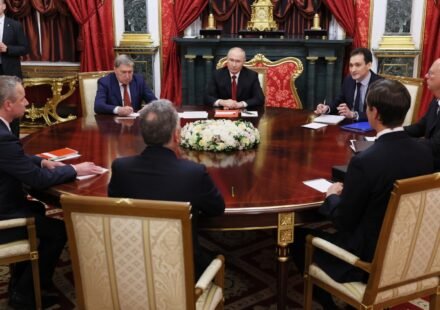
Russian President Vladimir Putin has agreed in principle to resume trilateral peace talks involving Russia, Ukraine and the United States, as US President Donald Trump says efforts to end the war are closer to a breakthrough than at any previous point.
The announcement followed a meeting in St. Petersburg on Wednesday between Putin and US special envoy Steve Witkoff. According to the Kremlin, the two sides discussed restarting negotiations after November 10, raising hopes for renewed diplomatic efforts to end the conflict that has continued for more than four years.
Trump said the United States was making progress towards ending the war, describing the current situation as the closest the parties had been to a resolution. However, no final peace agreement or comprehensive ceasefire has been announced.
Russia Signals Readiness for Fresh Negotiations
Putin’s foreign policy adviser, Yuri Ushakov, said Russia was prepared in principle to resume trilateral negotiations around November 10. The discussions are expected to address a possible post-war security framework for Russia and Ukraine.
The proposed format would bring representatives of Moscow, Kyiv and Washington back to the negotiating table. Abu Dhabi has been mentioned as a possible venue for the next round of discussions, although a final location and schedule have not been confirmed.
The renewed diplomatic initiative follows earlier rounds of talks that produced limited progress, including prisoner exchanges, but failed to resolve major disagreements over territory, security guarantees and the future relationship between Ukraine and Western countries.
Trump Presses for an End to the War
Trump has increased pressure on both sides to reach a settlement, particularly on Ukrainian President Volodymyr Zelenskyy to consider an agreement with Moscow.
The US administration has been working on proposals intended to bring the parties closer to a negotiated settlement. Witkoff’s latest meeting with Putin followed discussions in Oslo with Zelenskyy and European representatives, where officials addressed security guarantees, reconstruction and the broader framework for ending hostilities.
Witkoff described the recent diplomatic contacts as showing some momentum. The discussions also covered potential improvements in US-Russia economic relations and other international issues.
Ukraine Wants Security Guarantees
Ukraine has indicated that it is willing to continue diplomatic engagement but insists that any settlement must address its long-term security.
Zelenskyy has said that freezing the fighting along the current front line could serve as an initial step towards ending the war. Kyiv also wants credible guarantees to prevent another Russian invasion and has raised questions about occupied territories and post-war reconstruction.
Russia and Ukraine remain divided over fundamental terms, including territorial control and the future security arrangements for the region. Previous negotiations have struggled to bridge these differences.
Fighting Continues Despite Diplomatic Efforts
The renewed push for negotiations comes as fighting and long-range strikes continue. Ukrainian officials reported civilian casualties and damage to residential areas following Russian attacks, while Russian authorities reported intercepting large numbers of Ukrainian drones.
The continuing violence highlights the gap between diplomatic progress and conditions on the battlefield. Even if trilateral negotiations resume in November, a settlement would depend on whether the parties can agree on a ceasefire, territorial questions and enforceable security arrangements.
For now, Russia’s willingness to restart talks offers a new opening for diplomacy, but the timeline for ending the war remains uncertain. The next round of negotiations will be an important test of whether the renewed contacts can produce concrete progress towards peace.
Witkoff Heads to Russia for Putin Talks as Trump Urges Ukraine to Accept Peace Deal
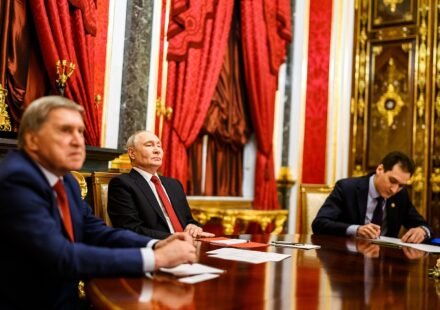
US special envoy Steve Witkoff is scheduled to meet Russian President Vladimir Putin on Wednesday as President Donald Trump increases pressure on Ukraine to reach a negotiated settlement to the war. The planned meeting follows diplomatic discussions in Norway involving Ukrainian President Volodymyr Zelenskyy, US representatives and European leaders seeking a possible path towards ending the conflict.
The diplomatic push comes at a difficult moment for relations between Washington and Kyiv. Ukraine has expressed concern over delays in military assistance and intelligence support, while European governments remain worried that Moscow could gain an advantage if US pressure falls more heavily on Ukraine than on Russia.
Trump said on Tuesday that Ukraine needed to want an agreement, arguing that Russia was continuing to advance on the battlefield. His comments renewed concerns in Kyiv and several European capitals about the terms of any potential settlement.
Witkoff to Brief Putin After Norway Discussions
Witkoff's planned visit to Russia follows talks in Oslo with Zelenskyy and representatives of European countries, including Norway and Finland. European and NATO representatives also took part in discussions aimed at coordinating the next stage of diplomatic engagement with Moscow.
A US official described the discussions as constructive and said Ukraine had brought forward new ideas and proposals. The talks addressed elements of a possible comprehensive peace framework, including security guarantees for Ukraine, post-war economic arrangements and a broader European security structure.
Witkoff is expected to communicate the Ukrainian and European positions to Russian officials and explore whether the discussions can lead to direct negotiations involving the principal parties.
Norwegian Prime Minister Jonas Gahr Støre described the Oslo discussions positively, while Finnish President Alexander Stubb said the peace process appeared to be moving forward again.
However, the planned meeting with Putin does not guarantee that Russia will accept the proposals or that a final agreement is close. Major differences remain over territory, security arrangements and the future relationship between Ukraine and Western countries.
Trump Presses Kyiv to Make a Deal
Trump has publicly urged Ukraine to reach an agreement, saying Moscow appears interested in ending the war. He has also questioned Zelenskyy's approach to negotiations and suggested that Ukraine's leadership needs to demonstrate greater willingness to settle the conflict.
The US president has argued that Russia's size and continued battlefield pressure put Moscow in a strong position. Kyiv, however, has repeatedly rejected settlement terms that it believes would compromise Ukraine's sovereignty or leave the country exposed to another attack.
The dispute has placed Zelenskyy in a difficult diplomatic position. Ukraine wants to maintain American military and intelligence support while persuading Washington that a durable peace requires credible guarantees against future Russian aggression.
The Ukrainian president said discussions in Norway included security guarantees resembling NATO's Article 5 principle, under which an attack on one alliance member is treated as an attack on all. Ukraine is not a NATO member, and any proposed guarantee would need to be defined and agreed by the participating governments.
Military Support Remains a Major Concern
Ukraine's concerns extend beyond the peace negotiations. Kyiv has raised questions about the delivery of air-defence equipment, including Patriot missile interceptors, and the reliability of systems used to warn of incoming Russian attacks.
US Secretary of State Marco Rubio spoke with Zelenskyy on Tuesday. Their discussions included missile-defence supplies and satellite communications systems used by Ukrainian forces.
Rubio acknowledged that a shipment of interceptors purchased by European countries for Ukraine may not yet have arrived. He denied that the delay reflected a deliberate political decision to weaken Ukraine.
Under the current arrangement, European countries can purchase US weapons for Ukraine through the Prioritised Ukraine Requirements List programme. Washington has also provided intelligence and technology that European governments cannot easily replace.
The uncertainty surrounding deliveries has added to Kyiv's concerns as Russian attacks continue. US officials have said that the country's own military stockpiles must also be considered when authorising shipments of certain weapons.
Russian Attacks Continue Amid Diplomatic Efforts
The diplomatic discussions are taking place while fighting continues across Ukraine. Russian forces launched missile and drone attacks against Ukrainian areas, with strikes reported against energy infrastructure and transport-related facilities.
Ukrainian officials said attacks disrupted electricity supplies in several regions. Damage to power infrastructure is particularly concerning as Ukraine approaches colder weather, when households and essential services depend heavily on reliable heating and electricity.
Russian authorities also reported attacks on cargo vessels and logistics facilities in Ukraine. Claims made by either side during the conflict require independent verification, and the full extent of the latest damage remains subject to continuing reports.
The continuing attacks underline the difficulty of negotiating a settlement while both sides are still attempting to improve their positions on the ground.
Trump has called for both Russia and Ukraine to refrain from striking energy infrastructure. Ukraine temporarily held back from some attacks on Russian oil facilities before resuming operations after continued Russian strikes, according to published reports.
Europe Wants a Role in Any Peace Settlement
European governments have stressed that decisions affecting the continent's security cannot be made without their involvement. Norway and Finland have participated in the latest diplomatic efforts, while other European countries and NATO representatives have discussed how to coordinate engagement with Russia.
European officials are concerned that a settlement reached under heavy pressure on Kyiv could leave Ukraine vulnerable and undermine wider European security. They have also argued that any durable agreement must address the risk of renewed Russian military action.
The Oslo talks were intended to bring the positions of Ukraine, the United States and European partners closer together before further engagement with Moscow. Whether those discussions can produce a shared framework will depend in part on Russia's response to the proposals.
What Happens Next?
Witkoff's planned meeting with Putin is the next important step in the diplomatic effort. It could help clarify Moscow's position and determine whether direct negotiations involving Russia, Ukraine and the United States are possible.
For Kyiv, the central questions remain whether a settlement can protect its independence, what security guarantees would be offered and whether military assistance will continue while negotiations proceed.
For Washington, the challenge is to turn diplomatic pressure into a workable agreement without deepening divisions with Ukraine and its European partners.
No final peace deal has been announced. The outcome will depend on whether Russia and Ukraine can bridge their substantial differences over territory, security and the conditions needed to end the war.

US Envoys Plan Norway Visit for Ukraine Peace Talks as Tensions With Kyiv Rise
US officials Jared Kushner and Steve Witkoff are expected to travel to Norway this week for another round of discussions aimed at ending Russia’s war against Ukraine. Ukrainian President Volodymyr Zelenskyy is also expected to attend, although the schedule remains tentative and could change.
The planned meetings come at a sensitive point in US-Ukraine relations, with disagreements emerging over military communications technology, intelligence sharing and the approach to negotiations with Moscow.
The discussions could offer another opportunity to explore diplomatic options for ending the conflict, which has continued to impose significant military, economic and humanitarian costs.
Kushner and Witkoff Expected to Lead US Engagement
Kushner, US President Donald Trump’s son-in-law, and Witkoff, the administration’s Middle East envoy, have been involved in diplomatic efforts connected to the Ukraine conflict.
Their expected trip to Norway is intended to support the next stage of negotiations. However, officials have not publicly confirmed a final schedule or disclosed the full agenda for the proposed meetings.
Zelenskyy’s expected participation would provide an opportunity for Ukrainian representatives to discuss Kyiv’s position directly with the American side. Whether Russian representatives will participate in the same round of meetings has not been confirmed in the available reports.
Tensions Between Washington and Kyiv
The planned talks come amid growing friction between the United States and Ukraine.
Zelenskyy has recently raised concerns about reduced speeds on Ukraine’s Starshield satellite system and restrictions on intelligence sharing. Ukrainian officials have argued that limitations on communications technology could affect battlefield operations and the military’s ability to respond to Russian attacks.
US officials have denied the allegations concerning changes to satellite-system access and intelligence sharing.
Starshield, developed by SpaceX, supports communications and other operational requirements for Ukraine. The US Department of Defense holds the contract for the system and permits Ukraine to use it.
These disagreements add another layer of complexity to negotiations, as Ukraine continues to rely on Western support while seeking terms for a durable settlement with Russia.
A Difficult Path Towards a Peace Agreement
Efforts to end the war have faced substantial obstacles, including disagreements over territory, security guarantees and the conditions needed to prevent renewed fighting.
Ukraine has repeatedly emphasised the importance of its sovereignty and long-term security. Russia’s demands and military objectives remain major challenges for any negotiated settlement.
The proposed Norway meetings could help the parties assess possible diplomatic options, but there is no confirmed indication that an agreement is imminent. Progress would depend on whether the discussions produce proposals acceptable to the parties involved.
What Happens Next?
The immediate focus is whether the planned meetings proceed as expected and whether Zelenskyy joins the discussions. Any statements following the talks may provide clues about the direction of US diplomacy and the prospects for further negotiations.
For Ukraine, the central questions remain how to secure lasting protection against future attacks and how to achieve an acceptable settlement. For Washington, the challenge is to encourage a diplomatic outcome while managing differences with Kyiv and maintaining pressure for progress.
The Norway visit could become another step in the wider diplomatic process, but the outcome remains uncertain.