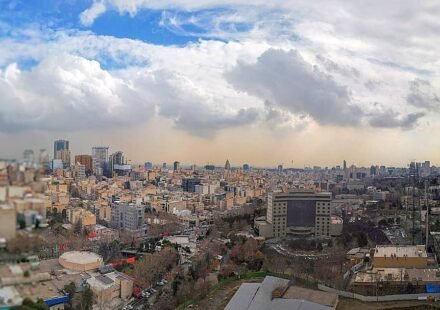
Saudi Arabia, Türkiye and Pakistan Prepare for High-Level Talks With Iran in Tehran

Senior officials from Saudi Arabia, Türkiye and Pakistan are expected to meet Iranian representatives in Tehran on Monday, opening a new diplomatic channel between the three countries associated with the Mecca Joint Defence Agreement and Iran amid continuing regional security tensions.
Two sources familiar with the arrangements said the discussions would bring senior security and defence figures from the three countries into contact with Iranian officials. The meeting comes as regional governments face pressure to contain hostilities, protect critical infrastructure and prevent further escalation across the Middle East.
Saudi Arabia is expected to be represented by Defence Minister Prince Khalid bin Salman, while Pakistan is sending its army chief, Field Marshal Asim Munir. Türkiye's intelligence chief is also expected to participate, according to one of the sources.
The full list of Iranian participants and the detailed agenda had not been publicly confirmed in the initial report. It was also unclear whether the meeting would produce a formal agreement or lead to further rounds of negotiations.
Why the Tehran Meeting Matters
The planned discussions are significant because Saudi Arabia, Türkiye and Pakistan have been strengthening their defence cooperation while maintaining diplomatic engagement with other regional powers.
Their Mecca Joint Defence Agreement, signed on August 7, 2026, established a framework for closer security cooperation and collective defence. The agreement commits the three countries to treating an armed attack against one member as an attack against all three, although its implementation and institutional development remain ongoing.
Iran's participation in talks with representatives of these countries could provide an opportunity to discuss regional threats directly. However, the meeting should not automatically be interpreted as a change in the defence pact's commitments or as evidence that the participants have reached a common position on every regional dispute.
For Tehran, dialogue with neighbouring and regional powers may offer a way to communicate its concerns and explore possible diplomatic options. For Saudi Arabia, Pakistan and Türkiye, direct engagement could help clarify intentions and reduce the risk of misunderstandings.
The outcome will depend on the subjects actually discussed and whether the participants can identify areas where their interests overlap.
Saudi Arabia's Security Concerns
Saudi Arabia has faced growing security concerns linked to attacks attributed to Yemen's Houthi movement, which is aligned with Iran. Previous regional discussions have included the security of Saudi territory, protection of critical infrastructure and the possibility of political engagement with the Houthis.
early October, Pakistan's foreign minister said Iran had suggested political engagement with the group as a possible alternative to further military escalation. The proposal was described as an idea for discussion rather than a completed or formally agreed plan.
That earlier initiative provides important context for the latest planned meeting in Tehran. It remains uncertain whether the Monday discussions will focus directly on the Houthis, broader regional tensions or a wider set of security questions.
For Saudi Arabia, any arrangement that reduces the risk of missile and drone attacks could have implications for civilian safety, energy infrastructure and regional trade. Nevertheless, a diplomatic meeting alone does not guarantee that attacks will stop or that a political settlement can be reached.
Pakistan's Role as a Regional Interlocutor
Pakistan occupies an important position in the developing diplomatic picture because it maintains relations with both Saudi Arabia and Iran.
Its participation in the Mecca defence agreement reflects Islamabad's security ties with Riyadh and Ankara. At the same time, communication with Tehran gives Pakistan an opportunity to convey concerns and explore diplomatic options between countries whose security priorities do not always align.
Field Marshal Asim Munir's expected participation indicates that security and defence considerations are likely to be represented at a senior level. However, his attendance does not establish that a military arrangement or operational decision will emerge from the meeting.
Pakistan's challenge will be to maintain its existing commitments while supporting efforts to prevent further regional instability. A sustained diplomatic process could also help reduce the risk that a local confrontation develops into a wider crisis.
Türkiye's Security and Diplomatic Interests
Türkiye is another key participant because of its regional influence, intelligence capabilities and defence cooperation with Saudi Arabia and Pakistan.
Its involvement could help connect security discussions with broader diplomatic efforts. Ankara has previously supported the development of the Mecca agreement while emphasising the importance of regional stability and institutional cooperation among its members.
The expected participation of Türkiye's intelligence chief suggests that security assessments may form part of the discussions, although the precise agenda has not been confirmed publicly.
Türkiye also has interests in preventing wider instability from disrupting trade, energy supplies and regional transport routes. Whether those shared concerns can produce concrete cooperation with Iran remains to be seen.
What Could Come Next?
The most important question is whether Monday's meeting leads to further contact or practical steps to reduce regional tensions.
Possible areas for discussion could include communication channels, regional security concerns and diplomatic approaches to ongoing conflicts. These are potential topics based on the wider context, not a confirmed list of agenda items.
Any concrete progress would depend on follow-up discussions, agreement on specific measures and the willingness of the parties to implement them. Differences over regional influence, armed groups and defence commitments could complicate negotiations.
The meeting also comes at a time when governments across the region are weighing security requirements against the economic consequences of continued instability. Disruptions to energy infrastructure or major shipping routes can affect oil prices, trade costs and confidence in regional markets.
For that reason, even limited diplomatic progress could be significant if it helps prevent further escalation. Conversely, a meeting that produces no follow-up action may have little immediate effect on the security situation.
A Diplomatic Opening, Not Yet a Breakthrough
The planned Tehran meeting brings together officials from three countries building a closer defence relationship and representatives of Iran, a major regional power with its own security priorities.
The gathering creates an opportunity for direct communication at a time of continuing tension. But the absence of a publicly confirmed agenda, announced agreement or detailed outcome means it is too early to describe the meeting as a breakthrough.
The next indicators to watch will be official statements from the participating governments, confirmation of the issues discussed and any announcement of further meetings or agreed measures.
Until those details emerge, the significance of the talks will rest primarily on whether they establish a credible path toward continued dialogue and a reduction in regional risks.
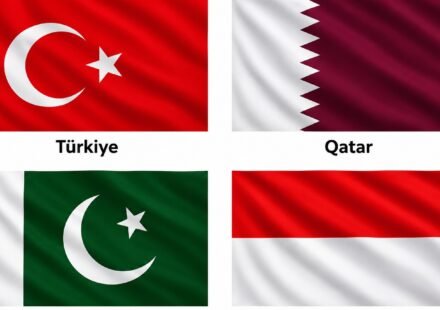
Türkiye, Qatar, Pakistan and Indonesia Sign Defence Cooperation Accord
Türkiye, Qatar, Pakistan and Indonesia have signed a multilateral defence cooperation agreement aimed at strengthening military capabilities, expanding defence production and deepening strategic partnerships among the four countries.
The agreement, known as the Badr Memorandum of Understanding, was signed in Doha on October 21, according to Türkiye’s Defence Ministry. The initiative is designed to encourage cooperation in military manufacturing, technical training, research and development, and the advancement of modern defence systems.
Four Countries Seek Stronger Defence Industry Ties
The agreement brings together four countries with different military and industrial capabilities. Türkiye has developed a growing defence manufacturing sector, Pakistan has experience in military production and training, Qatar has invested heavily in defence and security, while Indonesia is seeking to expand its domestic defence industry.
Under the memorandum, the countries intend to combine their respective capabilities to support joint projects, improve industrial integration and strengthen their ability to meet defence requirements. The agreement also aims to promote cooperation in technical military education and research.
The signing ceremony in Doha was attended by Türkiye’s Defence Minister Yaşar Güler, Qatar’s Deputy Prime Minister and Minister of State for Defence Affairs Sheikh Saud bin Abdulrahman Al Thani, Pakistan’s Defence Minister Khawaja Muhammad Asif and Indonesian Deputy Defence Minister Yusuf Jauhari. Türkiye’s defence industry chief, Haluk Görgün, also attended.
Focus on Joint Production and Technology
The Badr memorandum places emphasis on cooperation that goes beyond purchasing finished military equipment. The participating countries have highlighted technology sharing, joint development and stronger domestic production capabilities as important areas for future collaboration.
Türkiye’s defence industry leadership said the agreement could help turn the four countries’ complementary capabilities into concrete projects. However, details of specific weapons programmes, production targets, funding arrangements or implementation schedules have not yet been publicly outlined.
The accord could create opportunities for cooperation in defence manufacturing, technical expertise and research, although the scale and pace of any projects will depend on subsequent decisions by the participating governments and industries.
Regional Security Cooperation Expands
The agreement comes as countries across the Middle East and Asia reassess their security needs and seek stronger domestic defence industries. Türkiye has maintained close military and defence industry ties with Qatar and Pakistan, while its cooperation with Indonesia has also included defence technology and procurement.
In August 2026, Türkiye signed a separate mutual defence agreement with Pakistan and Saudi Arabia. The new Badr memorandum, however, is focused on defence cooperation and industrial collaboration among Türkiye, Qatar, Pakistan and Indonesia; no publicly announced provision says an attack on one of the four would automatically be treated as an attack on all.
The latest agreement signals a push toward deeper military-industrial partnerships, but its practical impact will depend on whether the countries proceed with joint manufacturing, technology development and training initiatives.