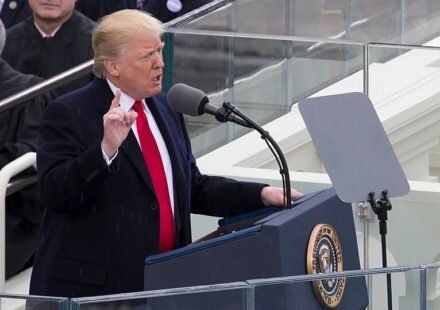
Trump Puts New Russia Sanctions on Hold, Citing US National Interest

US President Donald Trump has suspended the implementation of several major sanctions, restrictions and tariffs targeting Russia and countries involved in its energy trade, just days before the measures were due to take effect. The decision, announced in an executive order dated October 16, has raised questions about Washington’s strategy for pressuring Moscow over its war against Ukraine.
Trump said he had certified to Congress that granting the waivers at this time was in the national interest of the United States. The measures were part of the Lindsey O. Graham Sanctioning Russia and Iran Act of 2026, which Trump signed into law on September 18.
The legislation was designed to increase economic pressure on Russia and limit the revenue available to support its war effort. However, the president’s latest order provides exemptions from several provisions, leaving the administration with the option of reconsidering its approach later.
What did the new Russia sanctions law propose?
The legislation authorised significant trade penalties against Russia and certain countries purchasing Russian energy or helping Moscow evade sanctions.
Among its provisions were additional tariffs of up to 100% on goods imported from the five largest buyers of Russian crude oil and natural gas if they continued specified purchases after the law’s deadline. It also provided for tariffs and other measures against countries identified as major facilitators of Russian oil-related sanctions evasion.
The law included provisions for steep duties on certain Russian imports, alongside sanctions targeting individuals and entities associated with Russia.
These measures were intended to make continued purchases of Russian energy more costly and increase pressure on President Vladimir Putin’s government.
Trump’s executive order waived the application of several duties, restrictions and sanctions provisions under the law. It also established a monitoring process through which US officials can report on Russian energy purchases and possible sanctions evasion. The administration retains the ability to revisit the waivers.
Why did Trump suspend the measures?
Trump’s stated justification was that the waivers served US national interests. However, the executive order did not provide a detailed public explanation of why suspending the measures was considered preferable at this stage.
The decision comes amid concerns over energy prices and a recent announcement by Trump that the United States had reached an arrangement with Russia involving diesel supplies.
According to the Associated Press, Trump said Russia would supply more than 300,000 tonnes of diesel initially, followed by additional deliveries. The arrangement has attracted criticism from lawmakers who argue that closer energy cooperation could provide Moscow with revenue while its war against Ukraine continues.
The timing has also drawn attention because the sanctions law was backed by lawmakers seeking stronger economic pressure on Russia. Trump signed the legislation last month but moved to waive several of its provisions before their implementation deadline.
India could be affected by the wider sanctions debate
India is among the major buyers of Russian crude oil, making the potential impact of Washington’s sanctions policy particularly relevant for New Delhi.
The legislation had raised concerns among countries that import Russian energy because its proposed tariffs could affect their exports to the United States. The waiver reduces the immediate risk posed by the covered measures, although it does not eliminate the possibility of future action.
For India, the broader implications depend on how the US administration interprets future Russian oil purchases, which countries it identifies under the law and whether the waivers remain in place.
Energy trade is important to India’s economy because crude oil imports influence fuel costs, inflation, the current account balance and the wider business environment. Any renewed threat of tariffs could complicate trade planning for Indian exporters and energy companies.
The order does not, by itself, establish that all existing US sanctions against Russia have been lifted. Earlier sanctions imposed under separate authorities remain outside the specific waivers described in the executive order.
Ukraine and Russia policy under renewed scrutiny
The decision comes as the United States continues to navigate its position on the war in Ukraine. The sanctions legislation was intended to increase pressure on Moscow, while the latest waiver signals that the administration wants to retain flexibility over how those economic tools are applied.
Critics have argued that easing the measures could weaken efforts to restrict Russia’s access to international markets. Supporters of greater presidential flexibility may argue that exemptions give Washington additional room to pursue energy, trade and diplomatic objectives.
The full political impact will depend on whether the administration later activates any of the suspended measures, changes the exemptions or uses the threat of sanctions in negotiations with Moscow.
What happens next?
US officials are expected to monitor Russian energy purchases and potential efforts to evade existing sanctions. The executive order allows the administration to reconsider the waivers if it determines that further action is appropriate.
For now, Trump’s move marks a significant adjustment to the new sanctions framework, rather than a blanket cancellation of US sanctions against Russia.
The decision will be closely watched by Ukraine, European allies, Russia and major energy-importing countries, including India. It could also influence future discussions about how Washington balances economic pressure on Moscow with domestic energy costs and broader diplomatic priorities.
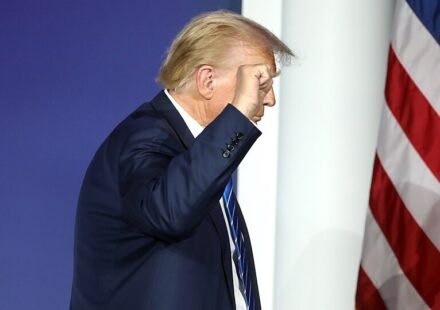
Trump Calls Ukraine’s Renewed Strikes on Russian Oil Refineries a ‘Disgrace’
US President Donald Trump has criticised Ukraine’s renewed attacks on Russian oil refineries, calling the strikes a “disgrace” and arguing that they could push global energy prices higher.
In an interview with Newsmax that aired on Thursday, Trump said Ukraine’s attacks on facilities producing diesel fuel were not helping global energy markets. His comments came after Ukrainian forces struck an oil refinery in Russia’s Ryazan region, southeast of Moscow, according to reports by Reuters.
The latest developments have added to tensions between Washington and Kyiv as the Trump administration attempts to negotiate an end to Russia’s war against Ukraine, which began with Moscow’s full-scale invasion in February 2022.
Trump Links Refinery Attacks to Global Fuel Prices
Trump argued that targeting Russian refineries could affect the international supply of petroleum products, particularly diesel. He said Ukraine had other potential military targets and questioned the decision to strike facilities that contribute to fuel production.
The US president has repeatedly emphasised the need to lower energy costs. In his Newsmax interview, he blamed Ukraine’s renewed refinery attacks for contributing to higher global oil prices.
However, the extent to which individual refinery strikes affect international prices depends on factors including the scale of the damage, available supplies, market expectations and wider geopolitical developments. Trump’s comments represent his assessment of the impact of the attacks.
Ukraine Resumes Attacks After Energy Ceasefire Dispute
The strikes followed a dispute over an energy ceasefire that Trump had announced over the weekend. The proposed arrangement was intended to halt attacks on energy infrastructure.
Ukraine initially suspended attacks on Russian refineries but later said it would no longer observe the pause after continued Russian strikes on Ukrainian infrastructure, including energy facilities.
Ukrainian President Volodymyr Zelenskyy said Kyiv’s patience had run out. In comments reported by Reuters, he indicated that restrictions on attacks against Russian refineries had been lifted.
Russia, meanwhile, continued missile and drone attacks against Ukraine. Reuters reported that Russian strikes on energy infrastructure had disrupted electricity supplies to hundreds of thousands of people.
The disagreement highlights a key challenge in efforts to establish even a limited ceasefire: both sides accuse the other of continuing attacks, while the scope and enforcement of the proposed arrangement remain disputed.
Russian Refinery in Ryazan Targeted
The latest reported Ukrainian target was a refinery in the Ryazan region, southeast of Moscow. The facility is owned by Russian state oil company Rosneft and plays a role in supplying fuel to the Russian capital.
Russian regional authorities reported a fire at the refinery following a drone attack. Moscow’s Defence Ministry described the incident as a large-scale Ukrainian attack.
The strike’s full impact was not immediately clear. Russian President Vladimir Putin played down the damage caused by recent Ukrainian attacks on refineries, saying they had not caused anything particularly significant, according to Reuters.
Ukraine has used long-range drones to attack Russian oil-processing facilities and logistics infrastructure during the war. Kyiv has argued that these operations are part of its response to Russia’s sustained attacks on Ukrainian cities and infrastructure.
Trump Criticises Zelenskyy as Tensions Grow
Trump also expressed dissatisfaction with Zelenskyy’s approach to negotiations, saying he found the Ukrainian leader more difficult to deal with than Putin. The remarks underline the continuing strain in US-Ukrainian relations over how to end the war and what concessions, if any, should be considered.
The US administration has been seeking a ceasefire and a broader diplomatic settlement. Ukraine, however, has raised concerns about continued Russian attacks and the consequences of restrictions on its military support.
The dispute over refinery strikes is unfolding alongside concerns about Ukraine’s reliance on US-provided military technology and intelligence. Reuters separately reported that access to the military satellite communications service Starshield had been limited, affecting some Ukrainian battlefield operations. The circumstances and responsibility for the decision were not fully disclosed in the initial report.
What Happens Next?
The collapse of the energy pause raises questions about whether Washington can persuade Moscow and Kyiv to agree on a workable arrangement to protect energy infrastructure.
For global energy markets, the consequences will depend on whether attacks intensify, how much refining capacity is disrupted and whether the conflict affects fuel exports and transport routes. A single strike does not automatically translate into a sustained rise in global oil prices.
Neither a durable energy ceasefire nor a comprehensive peace agreement had been confirmed in the reports available at publication time.
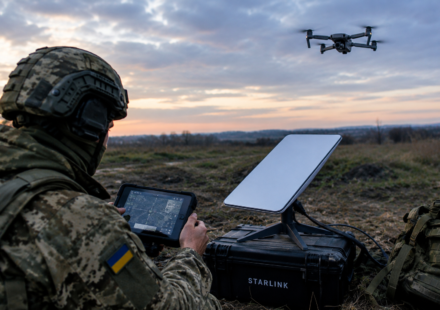
What Is Starshield? How a Satellite Service Disruption Rattled Ukraine’s Military
A temporary disruption affecting Starshield, SpaceX’s military-grade satellite communications system, has exposed Ukraine’s dependence on US-linked technology for battlefield communications and drone operations.
Ukrainian military personnel reported that connectivity restrictions affected some drone missions earlier this week, with commanders saying that communications interruptions caused mission failures and drone losses. Some Ukrainian units reported that their connections had returned to normal by Thursday, October 15, although questions remained about the cause of the disruption.
The incident has also raised concerns about Ukraine’s reliance on a communications system whose access and operating conditions are not entirely under Kyiv’s control. Reuters separately reported, citing two US officials and a Western official briefed on the matter, that an order to limit Starshield services for Ukraine came from inside the White House. The officials did not identify who made the decision.
What is Starshield?
Starshield is SpaceX’s satellite programme designed for government and national security customers. It builds on technology developed for Starlink, the company’s commercial satellite internet service, but is intended for more specialised missions.
According to the Associated Press, Starshield is designed to support secure communications, Earth observation and government operations that require additional security measures. It can incorporate dedicated satellites, specialised sensors and enhanced encryption for sensitive information.
Starlink, meanwhile, provides broadband internet through a large constellation of satellites in low Earth orbit. Its terminals have become important for maintaining communications in areas where conventional networks are unavailable, damaged or unreliable.
Although the two systems share technological foundations, they serve different purposes and are not interchangeable in every operational setting. Standard civilian Starlink access does not necessarily provide the specialised capabilities required for military missions.
Why does Ukraine rely on satellite connectivity?
Since Russia launched its full-scale invasion in February 2022, satellite communications have played an important role in Ukraine’s ability to maintain contact across the battlefield.
Military units use satellite internet to exchange information, coordinate operations and maintain communications when ground-based infrastructure is damaged or unavailable. Drone operators also rely on stable connections to receive live video, monitor flight conditions and maintain control of aircraft.
Ukraine’s battlefield systems increasingly depend on digital information. The Delta battlefield-management system, for example, helps military personnel organise and share operational data. Moving this information quickly and reliably is especially important when units and drones are operating in rapidly changing conditions.
The latest disruption demonstrated how interruptions to a communications link can affect several activities at once, from drone missions to frontline logistics.
What happened during the disruption?
Ukrainian officials reported that some satellite terminals experienced connectivity restrictions when moving at high speeds. Ukraine’s presidential adviser on defence technologies, Serhiy Beskrestnov, said the limitations affected military missions and that Ukrainian forces had not received advance warning.
Reuters reported that some terminals lost their connection for periods of around 10 to 20 seconds while travelling at speeds of approximately 110 to 120 kilometres per hour. Even brief interruptions can make a drone more difficult to control, particularly when it is moving quickly or operating in a demanding environment.
The Associated Press reported that a Ukrainian drone commander said several drones and other systems were affected and that some missions failed. By Thursday, some units said their connectivity had returned to the required level.
The precise cause of the restrictions was not immediately established publicly. The reports also did not establish that the entire Starlink network had been shut down across Ukraine. The reported problems concerned particular military connectivity and speed restrictions.
Who controls Starshield?
Control of access has become a central question in the dispute.
SpaceX chief executive Elon Musk said Starshield is owned and controlled by the US government, adding that decisions about its speed limits and permitted use ultimately rest with the US military and the president.
Reuters subsequently reported that officials had received a message from within the White House directing that the service for Ukraine's military be limited. However, the officials cited by Reuters did not say who issued the order or who was responsible for implementing it.
These reports raise questions about the extent to which Ukraine can depend on US-controlled systems during military operations. They do not, on their own, establish the full decision-making chain or prove the motive behind the restrictions.
Why Europe cannot quickly replace the system
The disruption has also highlighted the limited availability of immediate alternatives.
In a report published on October 14, Reuters said European countries and companies were working on alternatives but could not offer a straightforward replacement for Ukraine’s military use of Starlink and Starshield.
Eutelsat’s OneWeb network provides satellite connectivity, but experts cited by Reuters said its existing architecture, terminal requirements and performance limitations made it less suitable for some frontline applications.
Switching networks would also require changes to equipment. Terminals designed for one proprietary system cannot necessarily connect directly to another provider’s satellites.
Europe is developing longer-term capabilities, including the European Union’s planned IRIS² satellite constellation and Germany’s military satellite programme. However, these projects do not provide an immediate, equivalent replacement for all the services Ukraine currently relies on.
What happens next?
The incident has strengthened calls for Ukraine and its partners to develop backup communications systems and reduce dependence on any single provider.
Alternative networks could improve resilience, but building a reliable replacement requires compatible equipment, sufficient coverage, secure communications and the ability to operate under battlefield conditions.
For Ukraine, the immediate priorities include maintaining communications for military units, ensuring reliable drone operations and clarifying the conditions under which access to critical satellite services can be restricted.
The disruption appears to have been temporary for at least some units, but its wider significance remains: access to satellite communications can have direct consequences for military operations, especially when a country has limited alternatives.

Germany’s Merz Arrives in Kyiv as Air-Raid Sirens and Explosions Echo Across Capital
German Chancellor Friedrich Merz arrived in Kyiv on Sunday as air-raid sirens and explosions were heard across the Ukrainian capital, underscoring the continuing danger of Russia's aerial campaign as the German leader met President Volodymyr Zelenskyy.
Merz's visit comes at a critical moment for Ukraine, with Russian missile and drone attacks intensifying and Kyiv preparing for another difficult winter. The German chancellor travelled to the Ukrainian capital to reaffirm Berlin's support and discuss further military and technological cooperation with Zelenskyy.
Sirens and explosions greet German chancellor
The sound of air-raid sirens and explosions was heard in Kyiv around the time Merz arrived, Reuters reported.
The attacks highlighted the security risks surrounding the German leader's visit and provided a stark backdrop to his meetings with Ukrainian officials.
Russia has intensified its use of drones and missiles against Ukrainian cities and infrastructure as the war continues. Kyiv has repeatedly been targeted during the conflict, with attacks damaging residential, government and critical infrastructure facilities.
During his visit, Merz and Zelenskyy also toured a building belonging to Ukraine's National Academy of Sciences that had been damaged in recent Russian strikes.
Merz reaffirms Germany's support for Ukraine
Merz used the visit to underline Germany's continued political and military backing for Ukraine.
Germany has provided more than €43.3 billion ($48.8 billion) in assistance to Ukraine, according to AP reporting. Berlin has also continued supplying military equipment and supporting Ukraine's air-defence capabilities.
Merz has repeatedly argued that European countries must maintain support for Ukraine while working toward a sustainable peace.
His government has also emphasized closer cooperation with Kyiv on defence technology, including projects aimed at strengthening both countries' security capabilities.
Focus on drones and defence cooperation
One of the important issues surrounding Merz's visit is cooperation on drone technology.
Germany and Ukraine are seeking to deepen their defence-industrial relationship as drone warfare becomes increasingly important on the battlefield.
The visit was expected to advance a bilateral drone agreement and discuss ways to strengthen Ukraine's ability to respond to Russian aerial attacks. Reuters reported that Merz was accompanied by German business leaders during the visit as Berlin sought to deepen economic and technological cooperation with Ukraine.
Ukraine has increasingly relied on drones for both battlefield operations and long-range strikes, while Russia has expanded its use of drones and missiles against Ukrainian infrastructure.
Kyiv faces growing pressure from Russian attacks
Merz's visit comes after a series of major Russian strikes across Ukraine.
Recent attacks have hit energy infrastructure and other critical facilities, raising concerns about the country's ability to withstand another winter of war.
Reuters reported that Russia's attacks have increasingly focused on infrastructure and urban areas. Ukrainian officials have warned that sustained strikes could put additional pressure on the electricity and heating systems needed by millions of people during the colder months.
The situation has made air defence one of Kyiv's most urgent military requirements.
Zelenskyy stresses European security
For Zelenskyy, the visit provided an opportunity to demonstrate continued European backing as Ukraine confronts Russia's escalating aerial campaign.
The Ukrainian president has repeatedly called on European governments to strengthen sanctions against Moscow, provide additional air-defence systems and increase military assistance.
Zelenskyy has also argued that Ukraine's security is directly connected to the security of the wider European continent.
Germany remains one of Ukraine's most important European supporters, making Merz's visit politically significant beyond the immediate military assistance discussed during the talks.
Russia-Ukraine war remains unresolved
Merz's trip comes despite continuing diplomatic efforts to find a path toward ending the war.
There is still no comprehensive peace agreement, while fighting continues along a front stretching across eastern and southern Ukraine.
The latest attacks have further complicated efforts to reduce tensions, with both sides continuing military operations while diplomatic discussions remain uncertain.
For Germany, the challenge is balancing support for Ukraine with efforts to strengthen European security and prepare for a potentially prolonged conflict.
Merz's arrival in Kyiv, accompanied by the sound of air-raid sirens and explosions, offered a vivid reminder that despite years of war and international diplomacy, Ukraine remains under direct military threat.
The German government has signalled that it intends to continue supporting Kyiv while working with European partners on Ukraine's long-term security.
Source attribution: Reuters, Associated Press and German government statements.