
Iran War Bill Crosses $47 Billion, With Base Repairs Still Uncounted

The financial cost of the United States’ war with Iran has climbed beyond $47 billion, according to a new Pentagon estimate, highlighting the growing burden of replacing weapons, repairing military losses and sustaining operations as the conflict continues.
The latest figure is more than 25% higher than the Defence Department’s estimate reported in July. The breakdown indicates that the largest share of the spending pressure comes from munitions used during combat, followed by the cost of replacing military equipment lost or damaged during operations. The estimate, however, does not clearly account for repairs to US military bases hit by Iranian missile and drone attacks.
Weapons Replacement Accounts for the Largest Share
More than $29 billion of the estimated cost is associated with replacing munitions expended during the war. A further $6 billion or more is earmarked for replacing military equipment.
These figures illustrate how quickly a major conflict can consume expensive military resources. Precision-guided missiles, air-defence interceptors and other advanced weapons can cost millions of dollars per unit. Replenishing them requires not only funding but also manufacturing capacity, specialised components and time.
The operational bill also includes expenses associated with keeping military forces deployed and conducting missions. Aircraft operations, naval deployments, transportation, fuel, personnel support and logistics all contribute to the overall cost of sustaining a prolonged campaign.
The figures should not be interpreted as a final accounting of the war. The Pentagon estimate covers identified operational and replacement costs, while some damage-related expenses remain unclear or uncounted.
Damage to US Bases Could Increase the Final Bill
One of the largest uncertainties concerns the cost of repairing US military installations damaged by Iranian attacks.
Military bases across the Middle East are essential to aircraft operations, logistics, communications, intelligence and regional force protection. Damage to runways, buildings, equipment or other infrastructure can require extensive repairs and may temporarily reduce a facility’s operational capacity.
The latest reported estimate does not provide a clear total for repairing damage to US bases. Earlier assessments also excluded significant infrastructure-repair costs, meaning the public figures may not capture the full financial consequences of the conflict.
Any decision to rebuild damaged facilities, relocate operations or strengthen defences could add further expenditure. The final amount will depend on the scale of damage, the repair plans adopted by the US government and whether host countries share any of the costs.
Why the Cost Matters for the US Budget
The rising bill creates a challenge for budget planners because military operations compete with other federal spending priorities. The administration may need to seek additional funding from Congress to cover ongoing operations, replace depleted weapons and restore damaged equipment.
Emergency funding can help the military replenish supplies more quickly, but it does not eliminate the underlying cost. It shifts the question towards how the spending will be financed and what trade-offs lawmakers may face when allocating federal resources.
A sustained campaign can also generate costs beyond the immediate battlefield. These may include long-term care for injured service members, future maintenance of heavily used equipment, additional force deployments and potential compensation or support obligations.
Not all these expenses are necessarily included in the Pentagon’s current estimate. A complete assessment would require a wider accounting of direct operational costs, equipment replacement, infrastructure repairs and longer-term obligations.
Pressure on Weapons Stockpiles
The amount spent on replacing munitions is particularly important because financial resources alone cannot guarantee rapid replenishment. Advanced weapons often depend on specialised production lines, complex components and suppliers that cannot immediately expand output.
Heavy consumption during a conflict can therefore affect the availability of weapons for other military missions. Rebuilding stockpiles may require manufacturers to increase production, governments to prioritise orders and military planners to reconsider how limited supplies are allocated.
The implications could extend beyond the Middle East if the United States must balance replenishment for the Iran campaign with commitments elsewhere. The extent of any impact will depend on the types of weapons consumed, existing inventories and the pace at which new supplies can be produced.
Congressional Scrutiny Likely to Intensify
The growing cost is likely to keep attention focused on the information provided to lawmakers about the war. Congress has a role in approving military spending and overseeing how public funds are used.
Lawmakers evaluating additional funding may seek greater detail on the operational bill, weapons expenditure, equipment losses and the cost of repairing damaged facilities. They may also examine how much more the conflict could cost if operations continue for an extended period.
A clearer breakdown would help distinguish money already spent from amounts required to replace equipment, cover future operations or address damage that has yet to be fully assessed.
The distinction matters because an estimate of current costs is not the same as a forecast of the war’s eventual price tag.
What the Rising Bill Means Going Forward
The reported figure of more than $47 billion provides a snapshot of the financial burden accumulated so far, rather than a final total. The absence of a clear base-repair estimate leaves an important gap in the public accounting.
For the US government, the central questions are how long military operations will continue, how quickly depleted weapons can be replaced and how much additional spending will be needed to restore damaged facilities.
For taxpayers, a prolonged conflict could mean further pressure on federal spending. For the defence industry, sustained replacement demand may create additional orders, although manufacturing constraints could limit how quickly deliveries increase.
The eventual cost will depend on the course of the conflict, the extent of future military activity and the decisions taken by the administration and Congress. Until infrastructure damage and longer-term obligations are fully assessed, the $47 billion figure should be treated as a reported estimate of identified costs—not the complete price of the war.
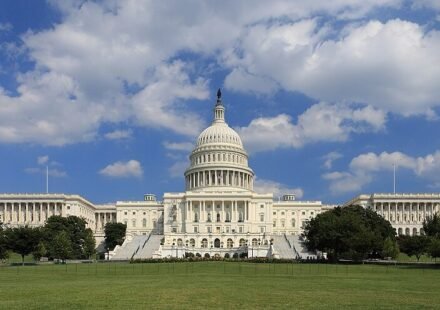
2026 US Midterm Elections: Key Dates, Congressional Seats and Issues Shaping the Vote
The United States is heading towards a crucial midterm election on November 3, 2026, with voters set to decide control of Congress and choose governors and other state-level officials. The results could significantly influence President Donald Trump's ability to advance his legislative agenda during the final two years of his current term.
Early voting has already begun in several states, and the contest is drawing national attention as Republicans seek to defend their congressional majorities while Democrats attempt to regain power in Washington.
According to Reuters, more than $3.8 billion had been spent on political advertising by October 12, highlighting the scale of the campaign. Economic concerns, immigration, healthcare and the administration's foreign policy are among the issues shaping the political debate.
When are the 2026 US midterm elections?
Election Day is Tuesday, November 3, 2026. Midterm elections take place halfway through a four-year presidential term and do not include a presidential election.
However, they can have a major impact on the president's ability to pass legislation, approve government spending and secure congressional support for policy priorities.
The newly elected Congress is scheduled to begin its work in January 2027. Until then, the current Congress will continue operating under the existing balance of power.
Which seats are being contested?
The election will determine control of both chambers of the US Congress, as well as numerous state offices.
House of Representatives: All 435 voting seats are up for election. Members serve two-year terms, meaning every seat is contested during each congressional election cycle.
Senate: Thirty-five of the Senate's 100 seats are scheduled to be contested. Senators serve six-year terms, so only about one-third of the chamber faces voters in a typical election cycle.
Governors and state legislatures: Thirty-six states are scheduled to elect governors, while state legislative contests will take place across much of the country. These elections could influence state policies on taxation, healthcare, education and voting rules.
Why control of Congress matters
Republicans currently hold narrow majorities in both chambers. Democrats are seeking to win enough seats to take control of the House, the Senate or potentially both.
If Democrats secure a House majority, they would gain control of key committees and greater influence over legislation and congressional investigations. They could also make it more difficult for the Trump administration to pass its priorities without bipartisan support.
A change in Senate control would have separate consequences, including greater Democratic influence over the chamber's legislative agenda and consideration of presidential nominations.
If Republicans retain both chambers, the administration would have a stronger opportunity to advance its legislative programme, although internal disagreements and the Senate's procedural rules could still limit its options.
Economy and cost of living among major voter concerns
Household expenses are emerging as a central issue in the campaign. Inflation, housing costs, healthcare bills, energy prices and employment are likely to influence voters' decisions.
Democrats have emphasised affordability and have argued that the administration's policies have failed to ease pressure on households. Republicans are defending their economic agenda, including tax cuts and changes to federal spending.
Immigration is another major dividing line. Republican candidates are expected to highlight border security and enforcement, while Democrats have criticised aspects of the administration's immigration policies.
Healthcare, government spending, climate policy and the future of artificial intelligence are also part of the wider political debate. The relative importance of these issues varies by state and congressional district.
Battleground states to watch
Several closely contested races could determine which party controls Congress.
Texas, Ohio and Michigan are among the states attracting particular attention in the Senate contest. Other competitive races across the country could also affect the final balance of power.
In the House, both parties are concentrating resources on districts where relatively small changes in voter support could determine the winner.
Campaign spending, candidate popularity, turnout and the concerns of independent voters may all influence the results. Polls provide an indication of the current political environment, but they cannot guarantee the outcome of an election.
What could the results mean for Donald Trump?
Midterm elections are often viewed as a referendum on the sitting president's performance. The president's party has historically tended to lose congressional seats in these elections, although the scale of losses varies from cycle to cycle.
A September Reuters/Ipsos poll put Trump's approval rating at 32%, adding to concerns among Republicans about the political environment ahead of November.
A Democratic victory in one or both chambers could increase congressional scrutiny of the administration and complicate efforts to pass new laws. A Republican victory would preserve the party's current congressional advantage.
The outcome could also influence political strategies ahead of the 2028 presidential election, when both parties will seek to build on their performance in the midterms.
What happens after Election Day?
Vote counting will begin after polls close on November 3, but the final balance of power may not be immediately clear if key races remain close.
State and local election officials will count ballots, conduct required checks and certify results under their respective laws. Recounts or legal challenges could delay the final resolution of particularly close contests.
For now, the central question is whether Republicans can retain their congressional majorities or Democrats can gain control of at least one chamber. The answer will help determine the direction of US domestic politics for the remainder of Trump's term.