Washington Announces New Sanctions Targeting Individuals and Organisations Linked to Iran

The United States has imposed fresh Iran-related sanctions targeting 16 individuals and 10 entities, according to a notice published on the US Department of the Treasury’s website on Thursday, October 15.
The action by the Trump administration adds to Washington’s continuing use of economic and financial restrictions against Iran and networks associated with its activities. The latest measures were reported by Reuters, which cited the Treasury Department’s website.
The brief report did not provide further details about the identities of all those targeted or the specific allegations underlying each designation. The precise scope and practical impact of the new restrictions should therefore be assessed against the Treasury Department’s official sanctions notice and any accompanying documents.
What Do the New Sanctions Mean?
US sanctions can restrict designated individuals and organisations from accessing property or financial interests under US jurisdiction. They can also prohibit US persons from conducting certain transactions with those listed, subject to applicable rules, exemptions and licences.
The consequences depend on the legal authority used for each designation and the details of the Treasury Department’s announcement. Foreign banks and businesses may also review their dealings with sanctioned parties to assess their exposure to US penalties.
The latest announcement identifies 16 individuals and 10 entities as targets of Iran-related sanctions. However, without further details from the official notice, it would be premature to attribute a specific activity or allegation to every person or organisation included in the action.
Part of a Wider US Sanctions Policy
The United States has maintained a broad sanctions framework relating to Iran, covering areas that can include finance, energy, shipping, technology and other activities. The Treasury Department’s Office of Foreign Assets Control (OFAC) administers many of these restrictions and publishes official designation notices and compliance guidance.
Earlier in October, the Treasury Department announced other Iran-related measures, including actions involving networks accused by Washington of helping Iran evade sanctions. Those earlier actions are separate from the latest announcement unless the official documentation establishes a direct connection.
The new designations come amid continuing tensions between Washington and Tehran. Their significance will depend on whom the measures target, the activities covered and whether they affect financial channels, commercial operations or international networks.
What Happens Next?
The Treasury Department’s official notice and any related OFAC documentation are the key sources for confirming the names of those sanctioned, the legal basis for the action and the restrictions that apply.
Businesses, financial institutions and other organisations with potential exposure to the listed parties may need to review their compliance procedures. Any exemptions or authorised transactions would depend on the relevant US rules and licences.
The key confirmed detail in the initial reporting is the scale of the action: 16 individuals and 10 entities. Further conclusions about the targets and the reasons for their designation should await examination of the official notice.
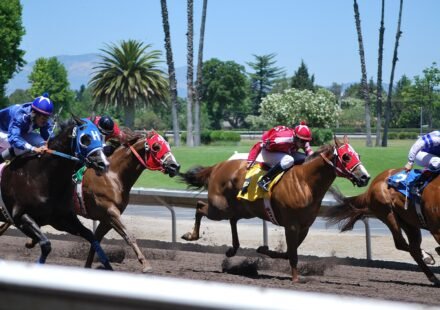
US Sanctions Mexican Cartel CDN’s Horse-Racing and Business Network in Major Crackdown
The United States has imposed sanctions on four individuals and 11 entities allegedly linked to Mexico’s Cartel del Noreste (CDN), targeting a commercial network spanning horse racing, construction, trucking, and the oil and gas industries.
The US Department of the Treasury announced the measures on October 13, describing the action as its most significant effort to date to disrupt the cartel’s financial infrastructure. The department said the targeted businesses and individuals allegedly helped generate, move or conceal money connected to the criminal organisation.
The sanctions were imposed by the Treasury’s Office of Foreign Assets Control (OFAC). US officials said the action was intended to restrict the financial resources available to the cartel and disrupt businesses they allege supported its operations.
Horse Racing Allegedly Used to Launder Money
A central focus of the sanctions is the use of American Quarter Horse racing to move illicit proceeds. According to the US Treasury, CDN-linked individuals and businesses used horse purchases, racing operations and related commercial activities to generate revenue and conceal money.
One of the businesses identified by US authorities is Club La Molienda, a racetrack, restaurant and bar on the outskirts of Nuevo Laredo, in the Mexican state of Tamaulipas. The Treasury alleges that the venue is controlled by CDN-linked interests and generates income through entrance fees paid by horse owners and spectators.
The department also described connections between the racetrack and a wider network of businesses. These alleged links illustrate how legitimate commercial activities can be used to conceal financial flows associated with organised crime.
The allegations are part of the US government’s broader effort to target the financial systems that authorities say allow drug-trafficking organisations to continue operating.
Construction, Trucking and Energy Businesses Also Targeted
The sanctions extend beyond horse racing to companies operating in construction, road transport, fuel and natural gas.
US authorities identified construction businesses including Construcciones y Edificaciones Garza Elías, known as CEGESA, and Concretos y Productos Asfálticos del Norte, known as COPASA. The Treasury alleges that the companies were involved in a network used to obtain public contracts and channel financial support to political candidates favoured by the cartel.
The department also targeted businesses involved in gas distribution, fuel trading and transport. Another sanctioned company, Tamex Leasing, and an associated dispatcher were linked by US authorities to alleged drug shipments concealed in truck trailers.
These are allegations made by US authorities in announcing the sanctions. The designations themselves are administrative measures and should not be treated as proof that every allegation has been established in a criminal court.
Who Is Cartel del Noreste?
Cartel del Noreste is a Mexican criminal organisation that emerged from the former Los Zetas network. US authorities have linked the group to trafficking in fentanyl, methamphetamine, heroin, marijuana and cocaine, as well as other violent criminal activity.
The cartel’s stronghold is in northeastern Mexico, particularly around Nuevo Laredo, across the border from Laredo, Texas. The border area is a major route for trade between the two countries, making control of transport corridors and commercial networks an important concern for law-enforcement agencies.
The US government designated CDN as a Foreign Terrorist Organization and a Specially Designated Global Terrorist in February 2025. The latest sanctions build on earlier actions against people and businesses that Washington says are connected to the group.
What Do the Sanctions Mean?
Under US sanctions rules, assets belonging to designated individuals and entities that are within the United States or under the possession or control of US persons are generally blocked and must be reported to OFAC. US persons are also generally prohibited from conducting transactions involving the designated parties unless an exemption or authorisation applies.
The restrictions can affect access to the US financial system and the ability to conduct business with US-linked individuals and institutions. Companies owned 50% or more, directly or indirectly, by blocked persons may also be subject to blocking rules under OFAC’s ownership policy.
The practical impact will depend on the affected businesses’ assets, transactions and international connections. The sanctions do not, by themselves, amount to a criminal conviction in Mexico or the United States.
The announcement highlights Washington’s focus on the financial and commercial networks that authorities say sustain organised crime, alongside efforts to disrupt drug trafficking across the US-Mexico border.
US Sanctions ICC After Former Court Judge Navi Pillay Wins Nobel Peace Prize
The United States has imposed new sanctions on the International Criminal Court (ICC), hours after former court judge Navi Pillay was awarded the 2026 Nobel Peace Prize for her work promoting international justice and human rights.
The move marks a further escalation in Washington's confrontation with the international court, which investigates and prosecutes individuals accused of serious international crimes, including genocide, war crimes and crimes against humanity.
According to Reuters, the Trump administration's measures are intended to restrict transactions and services involving the court, potentially complicating its ability to carry out its work. US Secretary of State Marco Rubio defended the action, citing the administration's opposition to the ICC's efforts to exercise jurisdiction over US citizens.
The announcement came at a particularly significant moment for the court, as Pillay's Nobel recognition brought renewed international attention to the role of judicial institutions in holding individuals accountable for alleged international crimes.
Why Has the US Targeted the ICC?
Washington has repeatedly criticised the ICC over investigations involving American personnel and officials from countries closely aligned with the United States.
The US is not a member of the Rome Statute, the treaty that established the court. American administrations have argued that the ICC should not exercise jurisdiction over US citizens without the country's consent.
The court, however, maintains that it can investigate certain alleged crimes when the legal conditions for its jurisdiction are met, including in some circumstances involving territory belonging to a member state.
The ICC was established in 2002 and is based in The Hague, Netherlands. It is designed to complement national justice systems rather than replace them, intervening in cases that fall within its jurisdiction when national authorities are unable or unwilling genuinely to pursue prosecutions.
The dispute has intensified over investigations involving Afghanistan and arrest warrants issued against Israeli officials. The Trump administration has argued that the court's actions exceed its authority, while the ICC and its supporters maintain that judicial independence and accountability for serious crimes must be protected.
What Do the New Sanctions Mean?
Sanctions can create practical obstacles for an international institution by restricting financial transactions, commercial services and dealings involving designated entities or individuals.
Reuters reported that the latest US measures could affect services provided to the ICC and limit aspects of its operations. The precise consequences will depend on the sanctions' legal scope, implementation and how companies and financial institutions respond.
Such restrictions may create uncertainty for organisations and service providers that work with the court. They could also complicate administrative and operational arrangements connected with investigations and prosecutions.
The ICC has continued its work despite previous US sanctions against judges, prosecutors and other personnel. Its ability to operate also depends on cooperation from member states and other international partners.
The United States has urged allies to take action to constrain the court, while indicating that its approach could change depending on future developments and negotiations.
Navi Pillay Wins the 2026 Nobel Peace Prize
The announcement of the sanctions coincided with the Nobel Peace Prize being awarded to South African jurist Navanethem “Navi” Pillay.
Pillay, 85, was recognised for her contributions to international law, human rights and efforts to ensure accountability for war crimes, crimes against humanity and genocide.
Her career has included service as a judge at the International Criminal Court from 2003 to 2008, president of the International Criminal Tribunal for Rwanda and United Nations High Commissioner for Human Rights from 2008 to 2014. She has also served as a judge at the International Court of Justice.
Earlier in her career, Pillay defended anti-apartheid activists in South Africa, including Nelson Mandela and others who faced political persecution during the apartheid era.
Her work at international courts contributed to efforts to establish accountability for atrocities committed during conflicts. At the Rwanda tribunal, international prosecutions helped advance the recognition of sexual violence as a serious international crime.
The Nobel Committee's recognition of Pillay has drawn renewed attention to the importance of international legal institutions at a time when their authority and independence face political pressure.
International Reactions and the Future of the ICC
The sanctions have renewed debate over the relationship between national sovereignty and international justice.
Supporters of the ICC argue that the court provides an important avenue for accountability when domestic justice systems cannot or will not investigate serious crimes. They warn that restrictions against its personnel and operations can affect victims seeking justice.
The court has also faced criticism over the reach of its jurisdiction, the implementation of arrest warrants and disagreements about its investigations. The United States and several other governments have challenged particular ICC actions, while the court maintains that it operates under the Rome Statute and its applicable legal framework.
The latest US move is likely to keep these disagreements at the centre of international diplomacy. The response from ICC member states, financial institutions and other governments could influence the practical impact of the sanctions.
For now, the developments highlight a growing dispute over the authority of international institutions and the extent to which national governments should cooperate with them.
What Happens Next?
The immediate questions concern how the sanctions will be implemented, which services and transactions will be affected, and whether US allies will follow Washington's lead.
The ICC is supported by its member states, which may help it maintain operations despite pressure from countries outside the court's membership. However, restrictions on financial and commercial services could create additional challenges.
Pillay's Nobel Peace Prize has also brought fresh attention to the principles of international law and accountability that underpin the court's work.
The coming days may offer a clearer picture of the sanctions' practical effects and the response from governments that support the ICC.