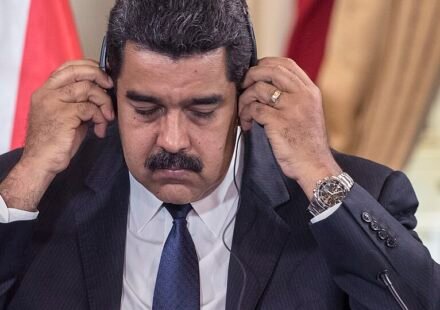
Nicolás Maduro Returns to US Federal Court as New Torture Charges Expand Case

Former Venezuelan President Faces Expanded Indictment in New York
Former Venezuelan President Nicolás Maduro is due back in a Manhattan federal court on Thursday to face expanded criminal allegations involving an alleged state-backed campaign of torture and political repression. His wife, Cilia Flores, is also facing the new charges in a case that began with allegations of drug trafficking and weapons offences.
According to the revised indictment unsealed by US prosecutors on October 8, Maduro and Flores allegedly helped oversee a system in which detainees were subjected to severe physical and psychological abuse. The allegations include beatings, electric shocks, asphyxiation and threats against victims’ families.
The defendants deny wrongdoing. Maduro’s lawyer, Barry Pollack, has said that the former president denies the new allegations and intends to contest the case.
What Are the New Torture Allegations?
The US Justice Department says the revised indictment adds a charge of conspiring to commit torture to the existing prosecution. Prosecutors allege that the defendants and their associates used detention, violence and intimidation against perceived political opponents to maintain their power.
The indictment describes alleged abuses against nine people, including three US citizens, according to Reuters’ reporting. Prosecutors also allege that Maduro personally recommended methods of torture and received information about the treatment of specific detainees.
Flores, a former senior Venezuelan official and the country’s former first lady, is accused of helping develop the alleged system and ordering abuses against particular individuals.
These claims remain allegations contained in a criminal indictment. They have not been established as facts through a trial verdict.
How Did Maduro End Up in US Custody?
Maduro and Flores were taken into US custody during a US military operation in Caracas in January 2026 and subsequently brought to New York to face criminal proceedings.
The couple had already pleaded not guilty to earlier drug-trafficking and weapons-related charges. The latest indictment broadens the prosecution by adding allegations concerning torture and the treatment of political opponents.
Their lawyers have challenged the prosecution, arguing that the case should be dismissed on immunity grounds linked to Maduro’s former position as Venezuela’s head of state. The court will have to consider the legal arguments and the applicable law as the proceedings continue.
What Could Happen in Court?
The Thursday hearing is expected to address the expanded charges, with Maduro and Flores expected to enter pleas to the new allegations. The proceedings are part of a broader case that could carry severe penalties if the defendants are convicted.
According to the US Justice Department, the conspiracy-to-commit-torture charge carries a maximum sentence of 20 years in prison. Other counts in the indictment carry different penalties, including potential life sentences. Any sentence would depend on the charges proven, applicable law and the court’s eventual decisions.
The defendants remain entitled to the presumption of innocence unless and until prosecutors prove the charges beyond a reasonable doubt.
International and Political Implications
The prosecution has wider implications for US-Venezuela relations and international debates over accountability for alleged human rights abuses. Maduro’s government faced longstanding accusations from opposition figures and human rights organisations over arbitrary detention and repression.
Separately, the International Criminal Court has been investigating alleged crimes against humanity in Venezuela. That international process is distinct from the US federal criminal case and follows its own legal procedures.
The latest US charges add another dimension to the legal challenges facing Maduro, but the outcome will depend on evidence presented in court, the defence’s response and judicial rulings.
What to watch next: The key developments will be the defendants’ responses to the revised indictment, decisions on immunity and other pretrial motions, and the court’s timetable for the case.
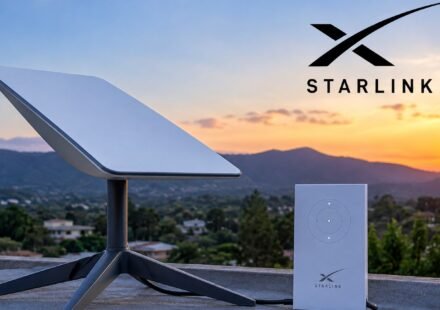
Starlink Gets Green Light in Venezuela: Elon Musk’s Satellite Internet Wins Nationwide Approval
Venezuela has officially authorised Elon Musk’s Starlink satellite internet service to operate nationwide, opening a new market for SpaceX as the company continues expanding its global connectivity business.
The country’s interim President, Delcy Rodríguez, authorised the service under an agreement with the US-based company, the Venezuelan government announced on October 9. The approval allows Starlink to provide satellite internet services across Venezuela under the country’s regulatory framework.
Venezuela’s telecommunications regulator, the National Telecommunications Commission (CONATEL), granted a general operating authorisation and seven concessions to SpaceX VZ, S.C.A., the company’s local entity, according to the regulator’s announcement reported by Spanish news agency EFE.
The decision formally establishes Starlink’s operations in a country where reliable connectivity has been a concern, particularly in areas affected by damage to traditional communications infrastructure.
Why Venezuela Approved Starlink
The approval follows cooperation between Starlink and Venezuelan authorities after a double earthquake on June 24, 2026, severely affected terrestrial telephone and internet infrastructure in the coastal state of La Guaira.
According to CONATEL, temporary permissions had previously allowed technical tests and connectivity support during the emergency. EFE reported that Starlink distributed more than 1,600 connectivity kits in Venezuela to support rescue teams, medical personnel and humanitarian organisations in affected areas, citing information from the US Embassy in Caracas.
The emergency cooperation helped demonstrate how satellite-based connectivity could support communications when conventional networks are damaged or unavailable.
The latest authorisation moves the service beyond temporary emergency arrangements and establishes a formal regulatory basis for commercial operations.
How Starlink Satellite Internet Works
Starlink is operated by SpaceX and uses a network of satellites in low Earth orbit to deliver internet connectivity to ground-based user terminals.
Unlike conventional broadband services that depend on fibre-optic cables or mobile towers reaching every user, satellite internet can provide connections in locations where terrestrial infrastructure is limited. Customers generally need compatible equipment and an appropriate service plan.
The technology can be useful for rural communities, businesses, remote facilities and emergency-response teams. It may also provide an additional connectivity option when existing networks experience outages.
However, nationwide regulatory approval does not automatically mean every location will have immediate access. Actual availability can depend on service rollout, equipment supply, pricing, network capacity and local operating conditions.
What the Approval Means for Venezuela
The decision gives Starlink a formal route to serve customers across Venezuela, subject to local regulation and implementation.
For households and businesses, satellite broadband could offer another option where conventional internet connections are unreliable or unavailable. Organisations operating in remote areas may also benefit from an additional way to maintain communications.
The extent of the impact will depend on the company's commercial launch plans, subscription costs and the availability of user equipment. The government has not provided a complete public breakdown of consumer pricing or a detailed nationwide rollout timetable in the initial announcement.
Starlink's operations will remain subject to Venezuela's telecommunications rules and regulatory supervision.
A New Step in Starlink’s Global Expansion
SpaceX has expanded Starlink beyond residential broadband into services for businesses, aviation, maritime operators and government users. The company has continued to increase its satellite network and customer base as demand grows for connectivity outside traditional terrestrial networks.
Venezuela's approval adds another market to that expansion. It also illustrates how satellite communications can become particularly important during natural disasters and other emergencies, when damage to ground infrastructure can disrupt essential services.
For Venezuela, the next stage will be translating regulatory approval into accessible, reliable service for customers. For Starlink, the opportunity will depend on how quickly it can establish operations and meet demand while complying with local requirements.