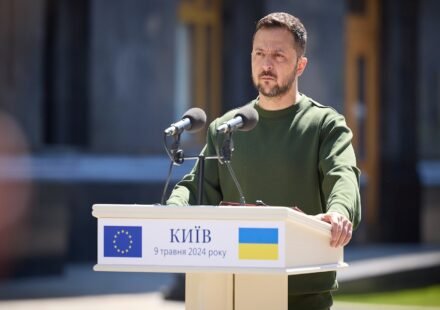
Zelenskyy Says Putin Has No Genuine Interest in Peace Talks, Calls Moscow’s Stance a ‘Parody’

Ukrainian President Volodymyr Zelenskyy has accused Russian President Vladimir Putin of showing no genuine willingness to end the war in Ukraine, describing Moscow’s approach to peace negotiations as a “parody” of a real desire to achieve peace.
Speaking to reporters on the sidelines of a European Union summit in Brussels on October 16, Zelenskyy said Russia was not interested in holding meaningful peace talks. His remarks came as European leaders discussed continued support for Ukraine amid persistent Russian attacks and uncertainty over the future of international assistance.
Zelenskyy Questions Putin’s Commitment to Peace
Zelenskyy said Putin was using words that suggested a response to diplomatic efforts without demonstrating a genuine intention to end the conflict.
“Putin does not want peace talks at the moment, in any form,” Zelenskyy said, according to Reuters.
He added that Moscow’s position appeared to be a “parody of a genuine desire to end the war.”
The Ukrainian president’s comments reflected Kyiv’s continuing doubts about Russia’s willingness to pursue a negotiated settlement. Moscow, meanwhile, has accused Ukraine of undermining the possibility of restarting peace negotiations.
Ukraine Seeks Continued European Support
Zelenskyy’s remarks came during a summit in Brussels where European leaders reaffirmed their support for Ukraine. Kyiv is seeking continued military and financial assistance as the war continues to put pressure on the country’s economy, infrastructure and energy system.
Addressing European leaders, Zelenskyy said Ukraine’s projected war-related costs for 2027 would reach €155 billion and called for at least €70 billion in additional support for defence, weapons and resilience.
The request highlights the financial challenge facing Ukraine as it prepares for another winter amid repeated attacks on energy infrastructure.
Russian Attacks Add to Concerns
The diplomatic discussions are taking place against the backdrop of continued Russian strikes on Ukrainian cities and infrastructure. Reuters reported that drone attacks in Kharkiv killed three people, while strikes elsewhere left large numbers of people without electricity.
Ukraine has repeatedly argued that sustained international support is necessary to defend its territory and protect civilians. European governments are also considering how to help Kyiv address its financial needs and maintain its defence capabilities.
Peace Prospects Remain Uncertain
Zelenskyy’s latest comments underline the continuing divide between Kyiv and Moscow over the prospects for negotiations. Russia has blamed Ukraine for obstructing efforts to resume talks, while the Ukrainian leadership says Moscow has not demonstrated a genuine commitment to ending the war.
There was no indication in Zelenskyy’s remarks that a new peace agreement had been reached. The future of negotiations will depend on whether the two sides can make progress on the central issues separating them.
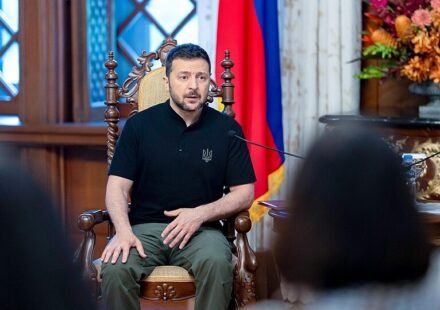
Zelenskyy Links Election Plan to Two Months of Peace
Ukrainian President Volodymyr Zelenskyy has said he is prepared to organise elections in Ukraine if Russian President Vladimir Putin agrees to a complete 60-day ceasefire, making a fresh proposal as tensions rise over Kyiv’s attacks on Russian oil infrastructure.
Speaking to ABC’s This Week on Sunday, Zelenskyy urged the United States to convey the proposal to Moscow. He said Ukraine could use the two-month pause in fighting to organise elections.
“Please tell Putin, give us two months, 60 days, of total ceasefire, and we will organise elections,” Zelenskyy said, according to Reuters.
His remarks come amid renewed pressure from US President Donald Trump, who has questioned Ukraine’s leadership and criticised its strikes on Russian oil refineries.
Trump Calls for New Ukrainian Leadership
Trump said on Saturday that it was time for Ukraine to get a new president, following criticism of Ukrainian attacks on Russian oil facilities.
The comments added to tensions between Washington and Kyiv as the US administration pursues efforts to end the war. Trump has also criticised the impact of attacks on Russian energy infrastructure amid concerns about fuel prices.
Zelenskyy responded that the decision over Ukraine’s leadership belongs to its people. He suggested that Russian leadership would also welcome a change in government in Kyiv, but insisted that Ukrainians must determine their own political future.
The exchange highlights the continuing disagreements over how to end the conflict and what conditions should accompany any political settlement.
Why a 60-Day Ceasefire Matters
A sustained ceasefire could provide a period of relative security for election preparations, campaigning and voting. However, any agreement would depend on both sides stopping military operations and maintaining the truce.
Ukraine has faced repeated Russian missile and drone attacks since Moscow launched its full-scale invasion in February 2022. Millions of Ukrainians have been displaced, while some territory remains under Russian occupation. These circumstances create major challenges for organising a nationwide vote.
A ceasefire would therefore be an important condition, but not necessarily enough on its own to resolve the security, legal and logistical difficulties surrounding elections.
Legal and Security Challenges Remain
Ukraine has been under martial law since Russia’s full-scale invasion began in February 2022. Ukrainian law prohibits holding national elections while martial law remains in force, meaning any election plan would need to address the applicable legal framework.
Authorities would also have to consider how to provide safe polling stations, enable military personnel and displaced citizens to vote, and organise voting for Ukrainians living abroad or in occupied areas.
The government would need to establish whether the proposed ceasefire could provide sufficient security for candidates, election workers and voters across the country.
These issues mean that a political commitment to hold elections would still require detailed planning and decisions by Ukraine’s institutions.
Ukraine Signals Conditional Willingness to Halt Energy Strikes
Zelenskyy also said Ukraine was prepared to stop attacks on Russian oil refineries if Moscow halted its strikes on Ukrainian energy infrastructure.
The proposal points to the possibility of a limited arrangement focused on energy facilities, although it is distinct from the broader 60-day ceasefire linked to elections.
Attacks on energy infrastructure have become a major feature of the conflict, affecting fuel supplies, electricity systems and wider economic conditions. Any agreement to stop such strikes would depend on reciprocal commitments and compliance by both sides.
What Happens Next?
Zelenskyy’s offer puts the responsibility for accepting a comprehensive ceasefire on Moscow while signalling that Kyiv is willing to consider elections under suitable conditions.
Whether the proposal leads to negotiations will depend on Russia’s response, the positions of Ukraine’s international partners and the ability of the parties to agree on enforceable terms.
For now, no election date has been announced as part of the 60-day proposal. The central question remains whether a ceasefire can be secured and whether Ukraine can establish the legal and practical conditions needed for a credible national vote.
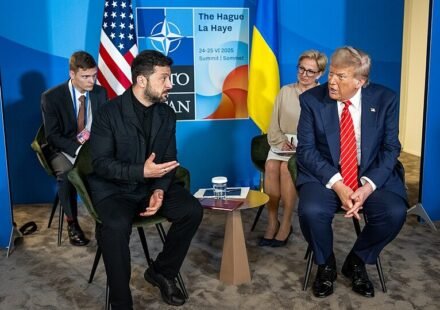
Trump Turns Up Heat on Zelenskyy: ‘Get a New President’ Remark Sparks Fresh Ukraine Row
US President Donald Trump has called for Ukraine to elect a new president, escalating tensions with Ukrainian President Volodymyr Zelenskyy after he criticised Washington’s decision to allow Russian diesel supplies amid the ongoing war.
Speaking to reporters at the White House on October 10, Trump argued that Ukraine needed a leader willing to reach an agreement to end the conflict with Russia. His remarks came a day after he announced a diesel supply arrangement with Russian President Vladimir Putin, a move that drew strong criticism from Kyiv and several European officials.
“I suggest they get a new leader who can make a deal,” Trump said, adding that he believed it was time for Ukraine to have a new president.
The comments marked another public dispute between Washington and Kyiv over how to end Russia’s full-scale invasion of Ukraine, which began in February 2022.
Zelenskyy Calls Russian Diesel Deal a Weak Decision
Zelenskyy strongly criticised the agreement, arguing that easing restrictions on Russian fuel exports could provide Moscow with additional revenue to sustain its military campaign.
The Ukrainian president described the decision as a weak move by Washington and warned that allowing Russia to sell petroleum products would help finance a war that should be brought to an end.
Zelenskyy also expressed frustration that the agreement was announced while Ukrainian officials were holding discussions with US representatives about possible ways to end the conflict.
Kyiv has consistently urged Washington and its allies to increase pressure on Moscow rather than relax restrictions on Russian energy exports.
The dispute has raised questions about coordination between the United States and Ukraine at a time when diplomatic efforts to end the war remain uncertain.
Trump Defends Deal to Ease Diesel Supply Restrictions
Trump has defended the agreement as a way to increase fuel supplies and address high energy costs affecting American consumers and businesses.
He announced that Russia would immediately provide more than 300,000 tonnes of diesel, followed by additional shipments. The White House presented the move as part of an effort to improve fuel availability as prices remain a concern ahead of the US midterm elections.
The US Treasury Department also issued a temporary licence easing sanctions on certain Russian diesel shipments. The precise commercial arrangements, payment terms and longer-term implications of the agreement were not fully clear in initial reports.
The decision represents a significant policy shift from the sanctions pressure Washington has applied to Russia over its invasion of Ukraine.
Critics argue that allowing additional Russian energy exports could undermine those efforts and provide Moscow with financial benefits. Supporters of the arrangement point to the need to address energy supply and domestic price pressures.
Trump Blames Ukraine’s Attacks on Russian Energy Infrastructure
Trump has also criticised Ukrainian attacks on Russian oil refineries and other energy infrastructure, arguing that they contribute to fuel-price pressures.
He said Zelenskyy should stop targeting Russian refineries, warning that the attacks could create further problems for global energy markets.
Ukraine has defended its strikes as part of its campaign against Russian military and energy infrastructure supporting the invasion. Kyiv has also accused Moscow of repeatedly attacking Ukrainian cities and critical infrastructure.
The two sides remain far apart over the conditions required for a ceasefire or broader peace agreement.
Ukrainian Officials Defend Zelenskyy
Ukraine’s Foreign Minister Andrii Sybiha defended Zelenskyy following Trump’s comments, saying the Ukrainian people had the right to decide who leads their country.
His response underlined Kyiv’s position that Ukraine’s political future should be determined domestically rather than through pressure from foreign governments.
The public exchange also highlights the delicate relationship between the two countries as US officials continue to explore diplomatic options for ending the war.
Peace Efforts Face Fresh Uncertainty
The dispute emerged as Ukrainian, European and US representatives continued discussions about a possible framework for ending the conflict. The diesel agreement has complicated those efforts by creating new disagreements over sanctions, Russian energy revenue and the strategy for securing peace.
Russia has maintained its military campaign while insisting that any settlement must address its demands. Ukraine, meanwhile, has called for security guarantees and measures to prevent further Russian attacks.
It remains uncertain whether the latest diplomatic discussions will produce a breakthrough. Trump’s call for new Ukrainian leadership adds another layer of political tension to negotiations already complicated by competing demands.
For Ukraine, the immediate challenge remains defending its territory while seeking international support. For Washington, the disagreement raises questions about how to balance energy costs, relations with Moscow and commitments to Kyiv.
Russian Missile and Drone Barrage Kills at Least 24 in Ukraine; Zelenskyy Condemns ‘Vile’ Strikes
At least 24 people were killed in Ukraine after Russia launched a major overnight barrage of missiles and drones across several regions, Ukrainian officials said. President Volodymyr Zelenskyy condemned the attacks as among Russia’s most “vile” strikes.
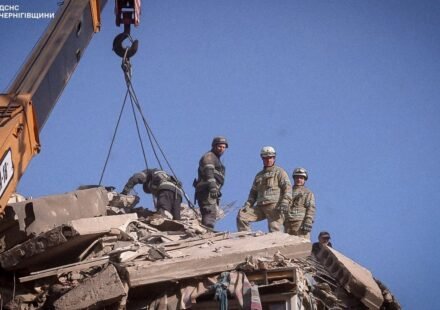
The heaviest casualties were reported in the northern city of Pryluky in Chernihiv region, where a Russian missile destroyed parts of a five-storey residential building. Local officials said at least 18 people, including four children, were killed there, while dozens more were injured.
The attacks also caused deaths in Kyiv, Oleksandria and Kremenchuk, according to Ukrainian authorities. AP later reported that the overall civilian death toll had reached at least 25, including five children, while around 100 people were wounded. The figures were continuing to be updated as rescue teams searched damaged buildings.
Russia launches large-scale overnight attack
According to Zelenskyy, Russia launched around 70 missiles along with dozens of Shahed attack drones during the overnight assault.
Ukraine’s Air Force said it intercepted more than 80% of 46 jet-powered drones involved in the attack. However, Ukrainian officials said ballistic missiles remained a major challenge for the country’s air-defence network.
The strikes hit multiple areas, including Kyiv, Chernihiv, Kirovohrad, Dnipropetrovsk, Poltava and Kharkiv regions. Industrial facilities, residential buildings and energy-related infrastructure were among the sites affected.
Russia’s Defence Ministry said its forces had carried out a “massive strike” against military-industrial facilities. Moscow said the targets included facilities connected to the production and storage of Ukrainian missiles and drones, as well as port and ship-repair infrastructure in the Odesa region.
Zelenskyy calls attacks ‘vile’
Zelenskyy described the bombardment as one of the most “vile” Russian attacks and said Moscow wanted to strike Ukraine “painfully and demonstratively.”
The Ukrainian president also renewed his appeal for additional air-defence systems, particularly Patriot interceptors, saying ballistic missiles remained one of the country's greatest threats.
Kyiv residents took shelter in underground metro stations during the overnight attack as explosions were heard across the capital.
Residential areas hit
The destruction in Pryluky was particularly severe. Rescue workers searched through the remains of the apartment building for survivors and victims.
AP reported that five children were among those killed in the residential building, including three who were just one year old and another who was eight. Ukrainian authorities said the rescue operation continued as emergency workers searched the rubble.
The attack came as Ukraine faces growing pressure on its air-defence capabilities. Ukrainian officials have repeatedly called for additional Western air-defence systems to protect cities and critical infrastructure from Russian missile and drone attacks.
Ukraine reports strikes inside Russia
Ukraine also carried out attacks against targets inside Russia, according to Zelenskyy.
The Ukrainian president said Ukrainian forces struck oil facilities and a military training site in Russia's Perm, Samara and Astrakhan regions. Russian officials did not immediately provide a detailed response to those claims.
The latest exchange of attacks highlights the continuing intensity of the war, with both sides increasingly targeting infrastructure and military-related facilities far from the main battlefield.
The casualty figures and damage assessment could change as emergency crews complete their work and authorities receive reports from affected areas.