US Forces Exit Iraq After Two Decades, Leaving Opening for Iran
 |
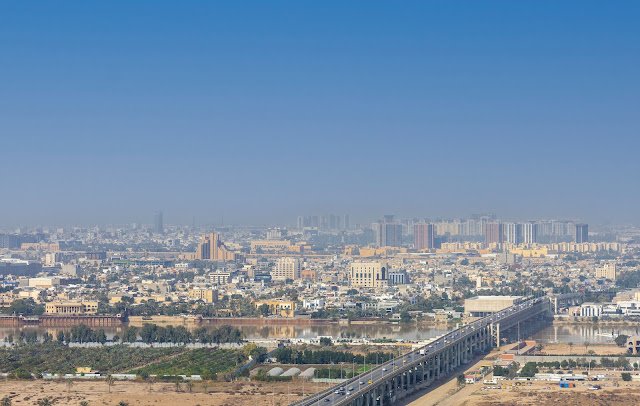
| US military personnel prepare to leave Iraq as Washington ends its two-decade military presence in the country. Photo credit: pexels. |
Baghdad, September 29, 2026: The United States is completing the withdrawal of its military forces from Iraq, bringing an end to a U.S. military presence that began with the 2003 invasion and continued through the fight against Islamic State militants.
The departure marks a major change in Iraq’s security landscape. While Washington and Baghdad have agreed to continue security cooperation, the end of the U.S. troop presence is raising questions about the balance of power in Iraq, particularly the influence of Iran-backed armed groups.
End of a 23-year US military presence
The U.S. invaded Iraq in March 2003 to remove Saddam Hussein’s government. American combat operations eventually ended, but U.S. forces returned in a different role after Islamic State captured large areas of Iraq and Syria in 2014.
Washington and Baghdad later agreed to wind down the U.S.-led military mission against Islamic State. Most U.S. forces had already left bases in central and southern Iraq, while a smaller contingent remained in the northern Kurdish region. The remaining troops are now being withdrawn, with the final deadline set for September 30.
The withdrawal was agreed during the previous U.S. administration and is being completed under President Donald Trump. Trump said in July that Washington did not believe a U.S. military presence in Iraq was still necessary, while emphasizing that economic and other relations between the two countries would continue.
Iran’s influence comes into focus
The U.S. departure is taking place in a country where several powerful political and armed groups have close ties to Iran.
Iran has maintained significant relationships with Iraqi political parties and Shiite armed factions for years. Some of those groups fought alongside Iraqi government forces against Islamic State, while others have also attacked U.S. personnel and bases.
Reuters reported that Iran and its allied militias have portrayed the American withdrawal as a strategic success. At the same time, some Iraqi officials and community leaders have expressed concern that the departure could increase the influence of Iran-aligned groups.
However, the withdrawal does not mean that the United States is ending its relationship with Iraq. Washington is expected to continue diplomatic, economic and security cooperation with Baghdad without maintaining the same military footprint.
Concerns over security and Islamic State
One of the key questions surrounding the withdrawal is whether Iraqi security forces can independently manage threats from Islamic State remnants and other armed groups.
The U.S. military has spent years training Iraqi forces and providing intelligence and logistical support. U.S. officials have argued that Iraqi forces have developed sufficient capabilities to take greater responsibility for counterterrorism operations.
But concerns remain. Islamic State no longer controls large territories in Iraq, yet sleeper cells and insurgent networks remain active.
Some Iraqi and Kurdish officials have warned that losing U.S. military support could complicate efforts to contain these threats. Kurdish authorities have been particularly concerned about their security position as American forces leave northern Iraq.
Iranian-backed militias remain armed
Another issue is the future of Iraq’s non-state armed groups.
The Iraqi government has sought to establish greater control over weapons held by militias, but several Iran-aligned factions have indicated that they do not intend to surrender their arms. The issue has become more significant as the U.S. withdrawal approaches.
This creates a complicated situation for Baghdad. The government wants to strengthen Iraqi sovereignty and maintain relations with both Washington and Tehran, while also managing powerful armed groups operating inside the country.
US troops moving to other locations
The withdrawal does not necessarily mean the end of American military activity in the broader region.
According to a U.S. military official cited by the Washington Post, many of the remaining troops in northern Iraq are expected to be redeployed to Jordan and other locations in the region. Military equipment, including air-defense systems, is also being removed from Iraq.
The United States and Iraq can also continue security cooperation through a bilateral arrangement rather than the previous coalition structure.
A new phase for Iraq
The U.S. departure represents a significant turning point for Iraq after more than two decades of American military involvement.
For Baghdad, the withdrawal provides an opportunity to exercise greater control over national security without a permanent foreign military presence. For Washington, it shifts the relationship toward diplomatic, economic and security cooperation without a large troop deployment.
For Iran, the end of the U.S. military presence removes an important source of American military power from a neighboring country where Tehran has built extensive political and security relationships.
The longer-term consequences will depend on how Iraq manages relations among the government, Iran-linked militias, Kurdish authorities and other political factions, as well as its ability to contain remaining Islamic State networks.
The U.S. military withdrawal is therefore not the end of American-Iraqi relations, but it does mark the end of a major chapter in the U.S. military presence that began with the 2003 invasion.