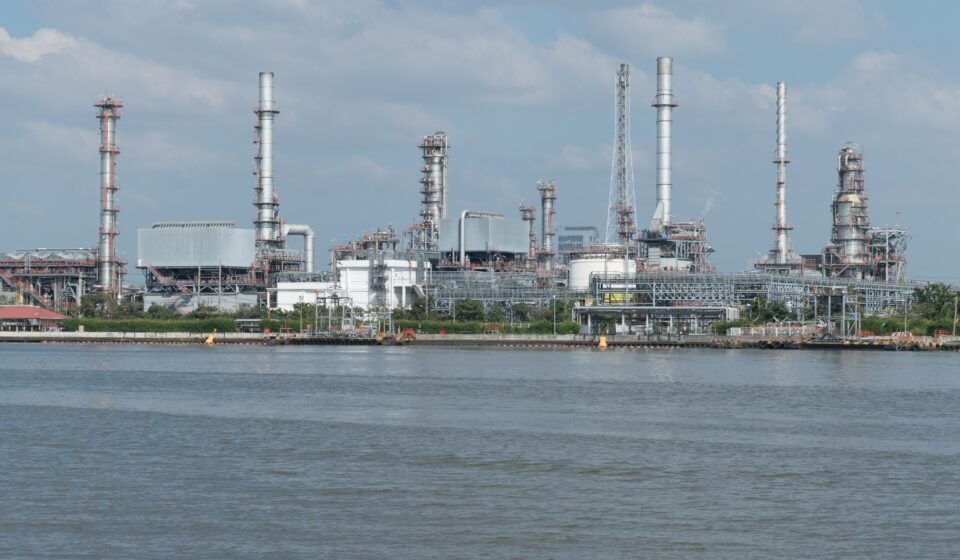

The Group of Seven (G7) has agreed to coordinate the release of 100 million barrels of crude oil and petroleum products, including a substantial amount of diesel, from emergency reserves as global fuel prices continue to rise.
The release will be coordinated through the International Energy Agency (IEA) and will begin immediately, continuing over a period of four months. G7 leaders said a significant portion of the diesel release would be brought forward within the first 20 days in an effort to ease pressure on fuel markets.
The G7 includes the United States, Canada, France, Germany, Italy, Japan and the United Kingdom, with the European Union also participating in the discussions.
Diesel Release to Be Front-Loaded
The G7 leaders’ statement did not specify how much of the 100 million barrels would consist of crude oil and how much would be refined products such as diesel.
However, the agreement specifically calls for a “frontloaded substantial diesel release” during the first 20 days. The IEA has been asked to monitor implementation and assess the effect of the measures on energy security and market stability.
The move comes as diesel prices have reached exceptionally high levels in the United States and Europe. In the US, the national average diesel price was reported at $6.37 per gallon on October 2, after reaching a record $6.52 in September, according to figures cited by the Associated Press.
Global Supply Disruptions Add to Price Pressure
The decision comes against the backdrop of severe disruption to global energy markets linked to the ongoing war involving Iran and damage to energy infrastructure in the Persian Gulf region.
Supply routes through the Strait of Hormuz, one of the world’s most important oil shipping corridors, have also faced disruption. European diesel supplies have been particularly affected, increasing the importance of alternative supplies and emergency stockpiles.
Russia has also restricted some fuel exports following attacks on its refineries, adding further pressure to the global market for refined petroleum products.
G7 Rules Out Energy Export Restrictions Among Members
Alongside the reserve release, G7 countries pledged to refrain from imposing export restrictions on energy and energy products between member countries.
The leaders also called on other energy producers to avoid export bans that could further tighten supplies and increase market volatility.
US President Donald Trump had previously raised the possibility of restricting US diesel exports if European countries did not take stronger action to address fuel prices. Following the G7 agreement, Trump said the United States would not impose the threatened diesel export ban. Reuters reported that the US had been pressing European countries to draw down their emergency diesel inventories.
What the Release Could Mean for Fuel Prices
The coordinated release is intended to increase available supplies and add liquidity to oil markets. French President Emmanuel Macron said the decision should help ease fuel prices.
However, the eventual effect on prices will depend on how quickly the reserves are released, the proportion of diesel and other refined products involved, and developments in global supply routes.
There is also uncertainty over whether all of the 100 million barrels represent additional stock releases or include portions of commitments made earlier in 2026. Reuters reported that the G7 statement did not provide a detailed breakdown of the volumes or participating countries.
The G7 has asked the IEA to provide a follow-up assessment within 20 days, including recommendations on future measures and the replenishment of emergency reserves.
Source attribution: G7 Leaders’ Statement, International Energy Agency references, Reuters, Associated Press and ABC News.