Indonesia Wildfire Smoke Blankets Southeast Asia as Malaysia Shuts Schools and Singapore Faces Severe Pollution

Thick smoke from wildfires in Indonesia has worsened air quality across parts of Southeast Asia, forcing school closures in Malaysia and pushing pollution in Singapore to alarming levels.
The haze has raised public-health concerns across the region, with authorities monitoring air quality and advising residents to take precautions as dry weather continues to increase the risk of fires.
Malaysia Closes Schools in Several Areas
Malaysia’s Education Ministry ordered schools to close on Friday, October 9, in several affected areas, including Selangor, Melaka, Negeri Sembilan, Kuala Lumpur and Putrajaya. Schools in Johor and the Rompin district of Pahang were also affected by the closures.
The decision followed deteriorating air quality readings. Malaysia’s Department of Environment recorded an Air Pollutant Index (API) reading of 186 in Seremban on Friday morning, among the highest readings in the country. Seven monitoring locations had readings above 180, according to local reports.
Authorities said affected schools would need to shift to home-based learning. The ministry also directed education officials to keep monitoring local conditions and respond if pollution worsened elsewhere.
The API is Malaysia’s national air-quality index. Higher readings indicate greater pollution and increasing health risks, particularly for children, older people and those with respiratory conditions.
Singapore Records Unhealthy Air Quality
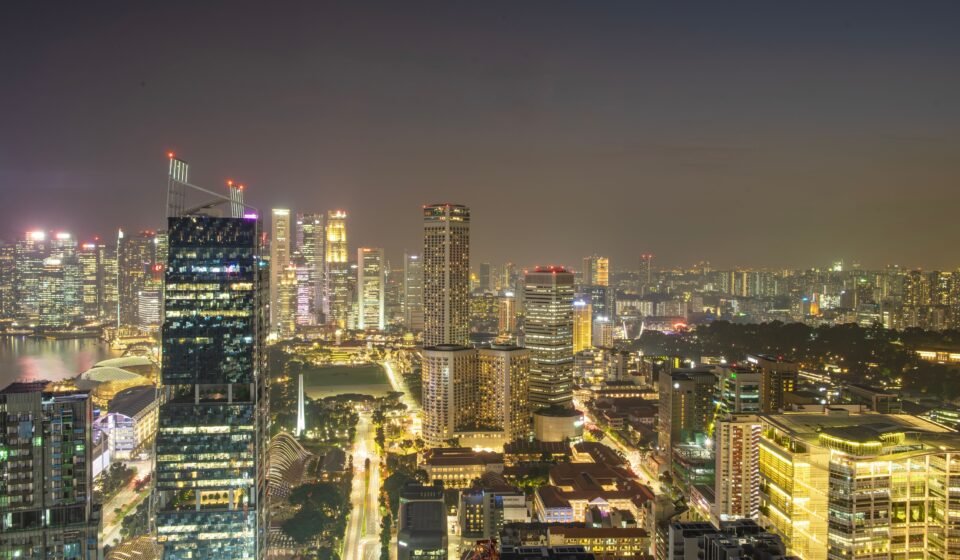
Singapore has also been affected by the regional haze. Air quality deteriorated sharply earlier in the week, with international air-quality monitor IQAir ranking the city among the world’s most polluted urban areas and reporting “very unhealthy” conditions at one point.
Singapore’s National Environment Agency reported unhealthy air-quality levels across the country’s five regions. Officials have urged people to follow updated air-quality advisories and reduce strenuous outdoor activity when pollution levels are high.
The haze has arrived just before Singapore’s Formula One Grand Prix weekend, raising concerns about outdoor activities and the exposure of spectators and workers. Organisers and authorities have been monitoring conditions and considering precautions if the situation deteriorates.
Indonesian Wildfires Behind the Regional Haze
The pollution has been linked to fires in Indonesia, including areas of Sumatra and Kalimantan. Smoke from vegetation and peatland fires can travel across national borders, affecting neighbouring countries even when the fires are far from major cities.
Hot, dry weather has contributed to the risk of fires, while peatland fires can be especially difficult to extinguish because they may smoulder beneath the surface and reignite.
The recurring haze problem has long challenged Southeast Asian governments. It can disrupt education, transport and outdoor events while increasing the risk of breathing difficulties and other health problems.
Health Risks and What Residents Can Do
Fine particles in wildfire smoke can penetrate deep into the lungs. Exposure may cause coughing, throat irritation, breathing difficulties and worsening symptoms for people with asthma or other respiratory illnesses.
Residents in affected areas should check official air-quality updates, limit prolonged outdoor exertion when pollution is high and follow local health advice. People who must spend time outdoors may consider a well-fitting particulate-filtering mask, such as an N95, where appropriate.
Schools and families should follow instructions from local authorities rather than relying on visibility alone, as harmful pollution may remain even when the haze does not look especially dense.
Regional Challenge Continues
The latest episode highlights how wildfires in one country can quickly become a cross-border public-health problem. Malaysia and Singapore are monitoring conditions, but the duration of the haze will depend partly on fire activity, wind direction, rainfall and changes in weather.
Authorities and environmental groups continue to face pressure to strengthen fire prevention and peatland protection to reduce the risk of similar pollution episodes in future dry seasons.