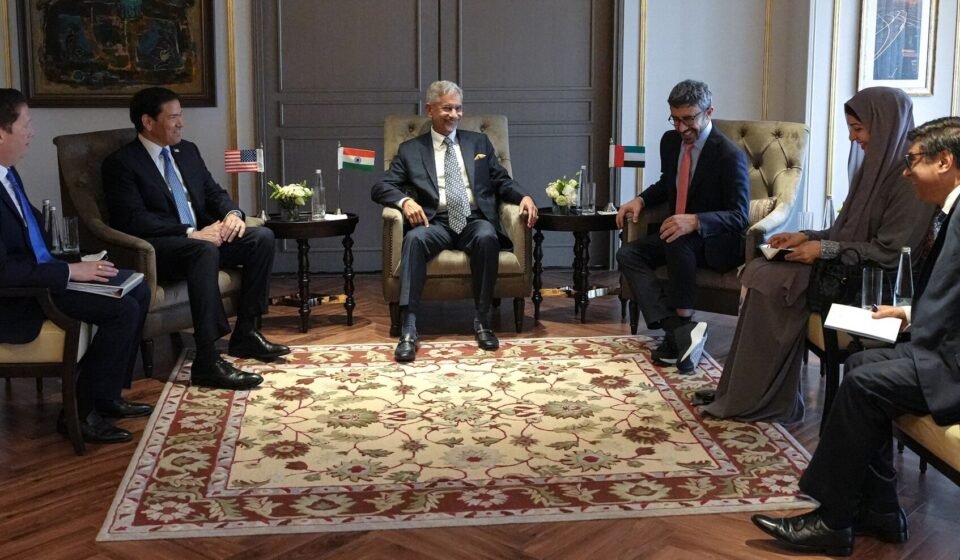

US Secretary of State Marco Rubio is scheduled to host foreign ministers from the Group of Twenty (G20) economies in Atlanta, Georgia, on October 30 and 31, bringing senior diplomats together to discuss economic pressures, international security and cooperation on issues affecting global trade.
The two-day meeting comes as geopolitical tensions, energy-market uncertainty and disruptions to international supply chains continue to create challenges for governments and businesses. Washington intends to use the gathering to encourage practical cooperation on shared economic and security concerns.
The meeting will also help prepare the ground for the G20 Leaders’ Summit scheduled for December in Miami, Florida, where heads of government are expected to consider broader priorities for the global economy.
What Will Be Discussed in Atlanta?
According to the US State Department, the discussions will focus on strengthening international cooperation, encouraging economic growth, supporting open markets and making supply chains more resilient.
Diplomats are also expected to address geopolitical crises that can disrupt economic activity. These include threats to freedom of navigation, energy and food security, and the movement of goods through international supply networks.
These subjects are closely connected. When shipping routes become less secure, transportation costs can rise and deliveries may be delayed. Energy disruptions can push up production and logistics expenses, while interruptions to food supplies can increase pressure on consumers and governments.
The meeting provides G20 members with an opportunity to discuss how they can respond to these shared challenges. However, the final outcomes will depend on the positions taken by participating countries and whether they can agree on practical measures.
Why the G20 Matters Beyond Diplomacy
The G20 brings together major advanced and emerging economies, including the United States, India, China, Japan, Germany, France, Brazil and Saudi Arabia, alongside other members and the European Union.
Its importance comes from the economic weight of its members. Decisions and policy coordination among these economies can influence international trade, investment, financial stability and the movement of essential goods.
The forum is not a world government and does not automatically impose binding policies on every member. Instead, it provides a platform where governments can exchange views, negotiate common priorities and coordinate responses to international problems.
For businesses, the discussions can offer signals about the direction of economic policy and international cooperation. For governments, they provide an opportunity to raise concerns about market access, supply disruptions and the economic consequences of geopolitical instability.
Energy Security and Shipping Routes in Focus
Energy security is expected to be an important subject during the Atlanta discussions. Oil and gas supplies depend on production levels, transport infrastructure and the security of routes used by tankers and other commercial vessels.
A disruption to a major shipping corridor can affect the availability and cost of energy, particularly for countries that depend heavily on imported fuel. Higher energy costs can then feed into transportation, manufacturing and electricity prices.
Freedom of navigation is therefore not only a military or diplomatic concern. It also affects the movement of commercial goods and the functioning of international markets.
G20 members have different energy needs and foreign-policy priorities. The Atlanta meeting could provide a forum for discussing these differences, although it remains uncertain whether the participating countries will announce specific joint measures on shipping security or energy supplies.
Supply Chains and the Global Economy
Resilient supply chains are another priority identified by Washington.
Modern manufacturing relies on components, raw materials and finished products sourced from several countries. Industries such as electronics, automobiles, pharmaceuticals and machinery can face production delays when even one essential input becomes difficult to obtain.
Governments and companies have increasingly examined ways to reduce excessive dependence on individual suppliers or vulnerable transport routes. These efforts may include diversifying sources, improving logistics and strengthening cooperation with trading partners.
Such changes can make supply networks less vulnerable to sudden disruptions, but they can also require additional investment and increase costs in the short term.
The G20 discussions could help governments compare their approaches to these challenges. Any lasting improvement, however, would depend on decisions made after the meeting and on cooperation between governments and private businesses.
What the Meeting Could Mean for India
India will have an interest in discussions covering trade, energy security, food supplies and international economic stability. As a major emerging economy, it has a stake in maintaining reliable export markets, securing essential imports and supporting investment.
Energy prices are particularly important for countries that import substantial quantities of crude oil. A sustained increase in international oil prices can raise import costs and put pressure on inflation, transportation expenses and public finances.
Stable shipping routes and dependable supply chains are also important for Indian manufacturers and exporters. Disruptions can affect the delivery of raw materials, raise freight charges and delay shipments to overseas customers.
The Atlanta meeting could therefore provide an opportunity for India and other participating economies to exchange views on these issues. However, the precise positions and commitments of individual delegations should not be assumed before official statements are released.
From Ministerial Talks to the December Summit
The foreign ministers’ meeting is part of the wider US-hosted G20 programme for 2026. The next major milestone is the Leaders’ Summit scheduled for December 14 and 15 at Trump National Doral in Miami, Florida, according to the State Department.
The Atlanta gathering will allow diplomats to discuss shared priorities before leaders meet to consider the broader economic agenda. Ministerial discussions can help identify areas of agreement and issues that require further negotiation.
The effectiveness of the process will depend on whether countries can move beyond broad statements and establish areas for practical cooperation. Differences over trade, geopolitical conflicts and national economic interests may limit the scope of agreement.
For now, the October 30–31 meeting is scheduled, but its final results remain unknown. Statements from participating governments and any agreed follow-up measures will help show whether the discussions produce concrete progress.