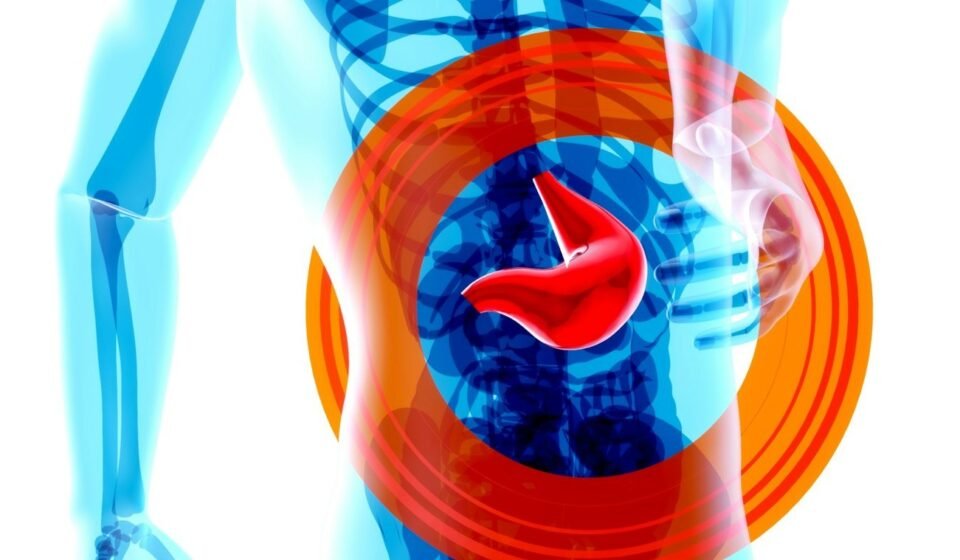

Avoiding alcohol is an important step towards protecting liver health, but it does not eliminate the risk of liver disease. Everyday lifestyle choices, including late-night eating, sugary drinks, prolonged sitting and insufficient sleep, may contribute to metabolic problems that increase the likelihood of fat building up in the liver.
Fatty liver disease can affect people who have never consumed alcohol. It is associated with metabolic factors such as excess body fat, insulin resistance, diabetes and abnormal cholesterol levels. The condition may develop without obvious symptoms, meaning some people discover it only during routine medical tests.
The good news is that sustainable changes to daily routines can help support liver health. Here are five habits worth reviewing.
1. Eating Late at Night and Going Straight to Bed
Eating dinner late does not automatically cause liver damage. However, regularly consuming large meals close to bedtime can be part of a wider pattern of irregular eating, frequent snacking and excess calorie intake.
Meals rich in refined carbohydrates, saturated fats and added sugars may contribute to weight gain and metabolic problems when consumed frequently in excessive amounts. Over time, these factors can increase the risk of fat accumulation in the liver.
People with busy schedules may find it difficult to eat early, but maintaining consistent meal times and choosing balanced portions can help. A dinner containing vegetables, whole grains and a suitable source of protein is generally a better everyday option than a large, heavy meal followed by immediate sleep.
The overall pattern of eating matters more than one late dinner.
2. Assuming Packaged Fruit Juice Is Always Healthy
Fruit juice is often considered a healthier alternative to fizzy drinks. However, packaged juices and fruit-based beverages can contain substantial amounts of sugar, depending on the product.
Juice also generally provides less fibre than whole fruit. Without the same amount of fibre, liquid calories may be less filling, making it easier to consume more energy than the body needs.
Excessive sugar intake can contribute to metabolic problems and fat accumulation in the liver, particularly when combined with an inactive lifestyle and an overall calorie surplus.
Choosing whole fruit more often is a practical alternative. Water and unsweetened drinks can also help reduce unnecessary sugar consumption. Checking nutrition labels is useful because products marketed as fruit drinks do not all have the same ingredients or nutritional value.
3. Exercising Briefly but Sitting for Most of the Day
A morning walk or gym session is beneficial, but remaining seated for long periods throughout the rest of the day can still contribute to a sedentary lifestyle.
Physical inactivity is associated with poorer insulin sensitivity and a higher risk of metabolic conditions. When the body does not respond effectively to insulin, managing blood glucose and fat becomes more difficult. These metabolic changes can contribute to fatty liver disease.
People who work at desks, study for extended periods or spend much of their free time sitting can introduce small changes without completely redesigning their schedules.
Standing up regularly, walking during breaks, taking the stairs when practical and incorporating consistent physical activity into the week can all help. The aim is to combine planned exercise with more movement throughout the day.
4. Regularly Sleeping Only Five Hours
Sleep affects several processes involved in appetite, blood sugar regulation and energy balance. Repeatedly getting too little sleep may make it harder to maintain healthy eating habits and manage weight.
Insufficient sleep is also associated with metabolic problems that can increase the risk of conditions linked to fatty liver disease. However, one poor night’s sleep does not mean that liver damage has occurred.
For most adults, aiming for around seven to nine hours of sleep each night is a useful general target. Maintaining a consistent bedtime, limiting late-night screen use and reducing caffeine consumption later in the day may help establish a healthier routine.
Anyone experiencing persistent sleep difficulties should consider discussing them with a healthcare professional.
5. Believing a Normal Body Weight Guarantees a Healthy Liver
A person does not have to appear overweight to develop fatty liver disease. Some people with a normal body mass index can still have excess fat around their internal organs or experience insulin resistance.
This is particularly relevant when assessing metabolic health in South Asian populations, where metabolic risks may occur at comparatively lower body weights.
A person’s weight alone cannot establish whether their liver is healthy. Blood sugar, cholesterol, waist measurements, medical history and other clinical factors may also be important.
Because fatty liver disease can remain silent during its early stages, people with diabetes, high cholesterol or other metabolic risk factors should discuss appropriate assessment with a healthcare professional. Not everyone requires the same tests, so screening decisions should be based on individual circumstances.
How to Protect Your Liver Through Everyday Changes
Protecting liver health does not necessarily require expensive products or complicated routines. Practical steps include eating a balanced diet, choosing whole fruit instead of sugary drinks more often, remaining physically active, getting sufficient sleep and managing conditions such as diabetes.
People should also avoid taking unnecessary medicines, herbal products or supplements without appropriate advice. Some substances can injure the liver, and products marketed as natural are not automatically safe.
It is equally important to remember that not all liver diseases are caused by lifestyle. Viral hepatitis, inherited conditions, certain medicines and other medical problems can also affect the liver.
The bottom line: Avoiding alcohol is beneficial, but liver health depends on more than drinking habits alone. Consistent lifestyle choices, awareness of metabolic risk factors and timely medical advice can help people protect their health before serious problems develop.