Court Draws a Line on Election Control as Trump Administration Faces New Setback in California

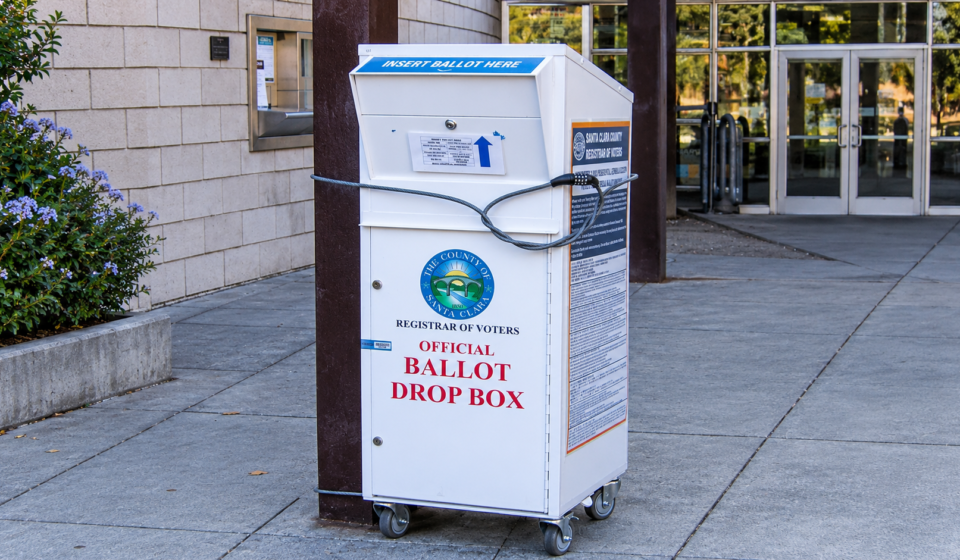
A US federal judge has ordered the Trump administration to stop pressuring California election officials to set aside ballots from registered voters identified on federal lists as suspected noncitizens. The ruling marks another legal setback for the administration’s efforts to intervene in California’s election procedures just one day before the November 3 midterm elections.
US District Chief Judge James Boasberg ruled that the federal government could not unilaterally require California officials to change how they verify voter eligibility or handle ballots based on lists compiled by federal agencies. He found that the government’s approach likely exceeded the executive branch’s constitutional authority and raised serious concerns about the accuracy of the information being used.
The dispute centres on more than 20,000 registered California voters whom the Trump administration has identified as likely non-US citizens. Federal officials have argued that ballots associated with these individuals should be separated while their eligibility is checked. California officials, however, have challenged the reliability of the lists and warned that following the demands could interfere with lawful voting.
The ruling does not prevent federal authorities from investigating suspected illegal voting. Instead, it limits the administration’s ability to dictate how California election officials administer elections and process ballots.
Why the Judge Intervened
The Justice Department has been seeking action against California over its handling of voters flagged by federal citizenship checks. The administration argues that election officials must ensure that ballots cast by ineligible voters are not counted.
Federal law prohibits non-US citizens from voting in federal elections. The legal dispute, however, is not about whether that prohibition exists. It concerns whether the executive branch can compel state officials to change established election procedures based on a federal list of suspected ineligible voters.
Judge Boasberg concluded that the administration’s demands raised constitutional concerns because responsibility for administering elections is divided between the states and the federal government under the law.
The judge’s order prevents the Justice Department and the Department of Homeland Security from demanding that California officials set aside ballots or depart from existing state election procedures based on the federal lists.
The decision came as election officials were preparing for the final stages of voting in the 2026 midterm elections. With ballots already being processed, a last-minute change could have required election workers to identify and separate thousands of envelopes while attempting to maintain normal counting procedures.
The timing made the dispute especially consequential. Any confusion over which ballots could be counted might have affected election administration and public confidence in the process.
Dispute Over the Federal Voter List
The Trump administration says it identified more than 20,000 people on California’s voter rolls who were likely not US citizens. It has argued that the information justifies additional scrutiny before ballots associated with those voters are counted.
California officials have disputed the reliability of the list, warning that federal databases may contain outdated or mismatched information. A person’s appearance on a government list does not, by itself, establish that the individual is not a citizen or is legally ineligible to vote.
In a related court proceeding, an expert who examined the federal data identified significant discrepancies. The analysis found that at least 22 members of the Coalition for Humane Immigrant Rights were known US citizens but had been wrongly included on the list. The expert also identified another 66 members who appeared likely to be included.
The findings strengthened concerns that inaccurate records could lead officials to question the eligibility of legitimate voters.
California has more than 23 million registered voters. Election officials have argued that reviewing the federal list and manually separating ballots on a compressed timeline could create substantial administrative difficulties.
The administration has maintained that its process was intended to protect election integrity. However, the central legal question remains whether its methods and demands comply with constitutional limits and established election law.
Supreme Court Also Rejects Emergency Request
The legal setback extended beyond the district court. On November 2, the US Supreme Court rejected the Trump administration’s emergency request to require California to separate mail ballots associated with more than 20,000 registered voters whom federal officials alleged were likely noncitizens.
The administration had turned to the Supreme Court after earlier efforts failed to secure the relief it wanted from lower courts.
The Supreme Court’s decision was a separate development from Boasberg’s order. Together, the rulings left California officials without the federal mandate the administration had sought to impose on the disputed ballots ahead of Election Day.
The Supreme Court’s action addressed the request for emergency relief rather than resolving every possible legal issue surrounding voter eligibility or election administration.
The administration can continue pursuing investigations into suspected violations of federal voting law, but the decisions underscore that those investigations do not automatically give federal officials authority to rewrite state ballot-handling procedures.
Election Authority and Federal-State Relations
The dispute highlights a longstanding tension in American politics: elections are governed by a combination of federal and state laws, with states carrying out many of the practical responsibilities involved in registering voters, distributing ballots and counting votes.
The federal government has an important role in enforcing national election laws, including prohibitions on noncitizen voting in federal elections. States, meanwhile, establish and administer many of the procedures used to determine voter eligibility and conduct elections.
The courts have been asked to decide where those responsibilities meet and whether the administration’s demands cross the constitutional boundary.
For California, the rulings mean election officials can continue following the state’s existing procedures rather than carrying out the specific ballot-segregation demands challenged in court. For the federal government, the decisions limit the immediate options available to force a change before voting concludes.
The broader implications may extend beyond California if similar disputes arise in other states. Election officials and federal agencies may face additional legal scrutiny over how voter data is compiled, shared and used to make decisions that could affect citizens’ voting rights.
What the Ruling Means for Voters
Analysis: The most immediate effect is to reduce the risk that ballots will be separated solely because a voter appears on a disputed federal list, without the state’s established verification process being followed.
That does not mean every person identified by federal authorities is necessarily eligible to vote. Nor does it prevent investigations or prosecutions where evidence establishes that someone knowingly violated the law. The key distinction is between an allegation based on a database match and a verified determination of ineligibility.
The controversy also demonstrates why accurate records and transparent verification procedures are important. Errors in citizenship data can create serious consequences if they lead to eligible voters being challenged or their ballots being delayed.
As the midterm elections approach, the legal fight has become part of a wider national debate about election security, federal authority and protection of voting rights. The courts’ decisions indicate that efforts to prevent illegal voting must still comply with constitutional limits and lawful election procedures.
For now, California officials can proceed under the state’s existing rules. The administration’s broader efforts to challenge suspected noncitizen voting may continue through other legal channels, but the latest rulings make clear that federal demands cannot automatically override state election administration.