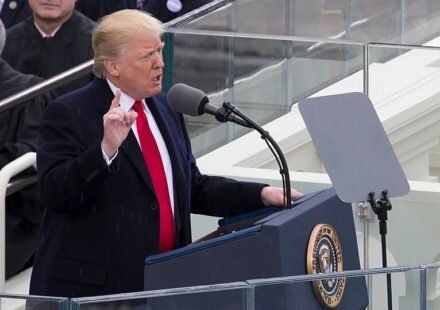
Trump Puts New Russia Sanctions on Hold, Citing US National Interest

US President Donald Trump has suspended the implementation of several major sanctions, restrictions and tariffs targeting Russia and countries involved in its energy trade, just days before the measures were due to take effect. The decision, announced in an executive order dated October 16, has raised questions about Washington’s strategy for pressuring Moscow over its war against Ukraine.
Trump said he had certified to Congress that granting the waivers at this time was in the national interest of the United States. The measures were part of the Lindsey O. Graham Sanctioning Russia and Iran Act of 2026, which Trump signed into law on September 18.
The legislation was designed to increase economic pressure on Russia and limit the revenue available to support its war effort. However, the president’s latest order provides exemptions from several provisions, leaving the administration with the option of reconsidering its approach later.
What did the new Russia sanctions law propose?
The legislation authorised significant trade penalties against Russia and certain countries purchasing Russian energy or helping Moscow evade sanctions.
Among its provisions were additional tariffs of up to 100% on goods imported from the five largest buyers of Russian crude oil and natural gas if they continued specified purchases after the law’s deadline. It also provided for tariffs and other measures against countries identified as major facilitators of Russian oil-related sanctions evasion.
The law included provisions for steep duties on certain Russian imports, alongside sanctions targeting individuals and entities associated with Russia.
These measures were intended to make continued purchases of Russian energy more costly and increase pressure on President Vladimir Putin’s government.
Trump’s executive order waived the application of several duties, restrictions and sanctions provisions under the law. It also established a monitoring process through which US officials can report on Russian energy purchases and possible sanctions evasion. The administration retains the ability to revisit the waivers.
Why did Trump suspend the measures?
Trump’s stated justification was that the waivers served US national interests. However, the executive order did not provide a detailed public explanation of why suspending the measures was considered preferable at this stage.
The decision comes amid concerns over energy prices and a recent announcement by Trump that the United States had reached an arrangement with Russia involving diesel supplies.
According to the Associated Press, Trump said Russia would supply more than 300,000 tonnes of diesel initially, followed by additional deliveries. The arrangement has attracted criticism from lawmakers who argue that closer energy cooperation could provide Moscow with revenue while its war against Ukraine continues.
The timing has also drawn attention because the sanctions law was backed by lawmakers seeking stronger economic pressure on Russia. Trump signed the legislation last month but moved to waive several of its provisions before their implementation deadline.
India could be affected by the wider sanctions debate
India is among the major buyers of Russian crude oil, making the potential impact of Washington’s sanctions policy particularly relevant for New Delhi.
The legislation had raised concerns among countries that import Russian energy because its proposed tariffs could affect their exports to the United States. The waiver reduces the immediate risk posed by the covered measures, although it does not eliminate the possibility of future action.
For India, the broader implications depend on how the US administration interprets future Russian oil purchases, which countries it identifies under the law and whether the waivers remain in place.
Energy trade is important to India’s economy because crude oil imports influence fuel costs, inflation, the current account balance and the wider business environment. Any renewed threat of tariffs could complicate trade planning for Indian exporters and energy companies.
The order does not, by itself, establish that all existing US sanctions against Russia have been lifted. Earlier sanctions imposed under separate authorities remain outside the specific waivers described in the executive order.
Ukraine and Russia policy under renewed scrutiny
The decision comes as the United States continues to navigate its position on the war in Ukraine. The sanctions legislation was intended to increase pressure on Moscow, while the latest waiver signals that the administration wants to retain flexibility over how those economic tools are applied.
Critics have argued that easing the measures could weaken efforts to restrict Russia’s access to international markets. Supporters of greater presidential flexibility may argue that exemptions give Washington additional room to pursue energy, trade and diplomatic objectives.
The full political impact will depend on whether the administration later activates any of the suspended measures, changes the exemptions or uses the threat of sanctions in negotiations with Moscow.
What happens next?
US officials are expected to monitor Russian energy purchases and potential efforts to evade existing sanctions. The executive order allows the administration to reconsider the waivers if it determines that further action is appropriate.
For now, Trump’s move marks a significant adjustment to the new sanctions framework, rather than a blanket cancellation of US sanctions against Russia.
The decision will be closely watched by Ukraine, European allies, Russia and major energy-importing countries, including India. It could also influence future discussions about how Washington balances economic pressure on Moscow with domestic energy costs and broader diplomatic priorities.

US Budget Deficit Hits $1.99 Trillion in 2026, Highest in Five Years
The United States federal budget deficit climbed to $1.99 trillion in fiscal year 2026, marking the largest annual shortfall in five years as government spending rose faster than revenue. Higher debt-servicing costs and refunds linked to President Donald Trump’s tariffs contributed to the widening gap, according to US Treasury figures reported by Reuters.
The deficit increased by $217 billion from the $1.78 trillion recorded in fiscal year 2025. The 2026 fiscal year ended on September 30 and covered the first full budget year of Trump’s second presidential term.
The latest figure represents the largest annual deficit since fiscal year 2021, when pandemic-related relief spending pushed the shortfall to $2.77 trillion. It is also the third-largest annual deficit in US history.
Government Spending Rises Faster Than Revenue
Federal government spending reached a record $7.40 trillion in fiscal year 2026, an increase of $386 billion, or 6%, compared with the previous year.
Government revenue also reached a record, rising by $169 billion, or 3%, to $5.40 trillion. However, the increase in receipts was not enough to offset the faster growth in expenditure.
The difference between government spending and revenue resulted in a deficit of nearly $2 trillion, highlighting the continuing pressure on US public finances.
The Congressional Budget Office had also estimated the fiscal 2026 deficit at approximately $2 trillion in its budget review published on October 8.
Rising Debt-Servicing Costs Add to the Pressure
One of the major contributors to the deficit was the growing cost of servicing the federal government’s debt.
According to Treasury figures cited by Reuters, debt-service outlays reached a record $1.36 trillion during fiscal year 2026, rising by $144 billion, or 12%, from the previous year.
The cost of servicing debt increases when the government has to finance a large stock of outstanding borrowing and refinance maturing obligations at prevailing interest rates.
Debt servicing has become one of the largest items in the federal budget, behind Social Security and combined spending on Medicare and Medicaid, according to the Reuters report.
The United States’ total national debt also passed the $40 trillion milestone earlier in 2026, adding to concerns about the long-term cost of government borrowing.
Tariff Refunds Contribute to the Wider Deficit
Tariff-related refunds were another factor behind the deterioration in the federal budget balance.
A US Supreme Court ruling invalidated a substantial portion of the tariffs imposed by Trump during his first year back in office. The ruling led to tariff refunds during fiscal year 2026, reducing the government’s net tariff income.
Reuters reported that the refunds totalled approximately $145 billion during the fiscal year. Net tariff receipts declined by $22 billion, or 11%, to around $173 billion.
Although tariff collections remained a source of revenue, the refunds reduced the amount the government retained from customs duties. The development illustrates how changes in trade policy and court decisions can affect federal revenue.
Deficit Reaches 6.2% of GDP
A Treasury official estimated that the federal budget deficit amounted to 6.2% of gross domestic product (GDP) in fiscal year 2026. That compares with an actual deficit-to-GDP ratio of 5.8% in fiscal year 2025.
The deficit-to-GDP ratio measures the annual budget shortfall relative to the size of the economy. It helps economists and policymakers assess the scale of government borrowing in relation to national economic output.
A larger deficit does not automatically mean a financial crisis is imminent. However, persistent borrowing can increase interest costs and leave governments with less flexibility to respond to future economic downturns or emergencies.
September Records a Smaller Deficit
In September, the final month of fiscal year 2026, the federal government recorded a $27 billion deficit, according to Treasury figures reported by Reuters.
That contrasted with a $198 billion surplus in September 2025. Monthly budget balances can fluctuate because of the timing of tax receipts, benefit payments and other government transactions, so the annual figures provide a broader view of the government’s financial position.
What the Deficit Means for the US Economy
The latest figures highlight the challenge of balancing federal spending, tax revenue and borrowing costs. Revenue increased during fiscal year 2026, but expenditure grew at twice the percentage rate, leaving the government with a larger shortfall.
If large deficits continue, rising interest payments could absorb a greater share of federal resources. The effect on the economy will depend on future growth, interest rates, tax collections, spending decisions and the government’s ability to manage its debt.
For now, the Treasury figures show that the US budget deficit has returned to nearly $2 trillion, underscoring the scale of the country’s fiscal challenge.
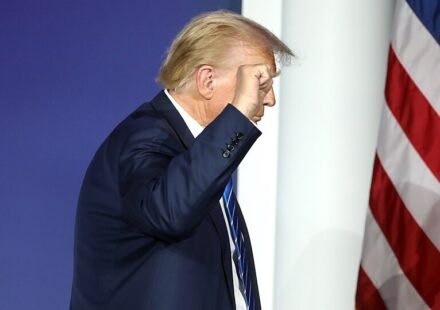
Trump Calls Ukraine’s Renewed Strikes on Russian Oil Refineries a ‘Disgrace’
US President Donald Trump has criticised Ukraine’s renewed attacks on Russian oil refineries, calling the strikes a “disgrace” and arguing that they could push global energy prices higher.
In an interview with Newsmax that aired on Thursday, Trump said Ukraine’s attacks on facilities producing diesel fuel were not helping global energy markets. His comments came after Ukrainian forces struck an oil refinery in Russia’s Ryazan region, southeast of Moscow, according to reports by Reuters.
The latest developments have added to tensions between Washington and Kyiv as the Trump administration attempts to negotiate an end to Russia’s war against Ukraine, which began with Moscow’s full-scale invasion in February 2022.
Trump Links Refinery Attacks to Global Fuel Prices
Trump argued that targeting Russian refineries could affect the international supply of petroleum products, particularly diesel. He said Ukraine had other potential military targets and questioned the decision to strike facilities that contribute to fuel production.
The US president has repeatedly emphasised the need to lower energy costs. In his Newsmax interview, he blamed Ukraine’s renewed refinery attacks for contributing to higher global oil prices.
However, the extent to which individual refinery strikes affect international prices depends on factors including the scale of the damage, available supplies, market expectations and wider geopolitical developments. Trump’s comments represent his assessment of the impact of the attacks.
Ukraine Resumes Attacks After Energy Ceasefire Dispute
The strikes followed a dispute over an energy ceasefire that Trump had announced over the weekend. The proposed arrangement was intended to halt attacks on energy infrastructure.
Ukraine initially suspended attacks on Russian refineries but later said it would no longer observe the pause after continued Russian strikes on Ukrainian infrastructure, including energy facilities.
Ukrainian President Volodymyr Zelenskyy said Kyiv’s patience had run out. In comments reported by Reuters, he indicated that restrictions on attacks against Russian refineries had been lifted.
Russia, meanwhile, continued missile and drone attacks against Ukraine. Reuters reported that Russian strikes on energy infrastructure had disrupted electricity supplies to hundreds of thousands of people.
The disagreement highlights a key challenge in efforts to establish even a limited ceasefire: both sides accuse the other of continuing attacks, while the scope and enforcement of the proposed arrangement remain disputed.
Russian Refinery in Ryazan Targeted
The latest reported Ukrainian target was a refinery in the Ryazan region, southeast of Moscow. The facility is owned by Russian state oil company Rosneft and plays a role in supplying fuel to the Russian capital.
Russian regional authorities reported a fire at the refinery following a drone attack. Moscow’s Defence Ministry described the incident as a large-scale Ukrainian attack.
The strike’s full impact was not immediately clear. Russian President Vladimir Putin played down the damage caused by recent Ukrainian attacks on refineries, saying they had not caused anything particularly significant, according to Reuters.
Ukraine has used long-range drones to attack Russian oil-processing facilities and logistics infrastructure during the war. Kyiv has argued that these operations are part of its response to Russia’s sustained attacks on Ukrainian cities and infrastructure.
Trump Criticises Zelenskyy as Tensions Grow
Trump also expressed dissatisfaction with Zelenskyy’s approach to negotiations, saying he found the Ukrainian leader more difficult to deal with than Putin. The remarks underline the continuing strain in US-Ukrainian relations over how to end the war and what concessions, if any, should be considered.
The US administration has been seeking a ceasefire and a broader diplomatic settlement. Ukraine, however, has raised concerns about continued Russian attacks and the consequences of restrictions on its military support.
The dispute over refinery strikes is unfolding alongside concerns about Ukraine’s reliance on US-provided military technology and intelligence. Reuters separately reported that access to the military satellite communications service Starshield had been limited, affecting some Ukrainian battlefield operations. The circumstances and responsibility for the decision were not fully disclosed in the initial report.
What Happens Next?
The collapse of the energy pause raises questions about whether Washington can persuade Moscow and Kyiv to agree on a workable arrangement to protect energy infrastructure.
For global energy markets, the consequences will depend on whether attacks intensify, how much refining capacity is disrupted and whether the conflict affects fuel exports and transport routes. A single strike does not automatically translate into a sustained rise in global oil prices.
Neither a durable energy ceasefire nor a comprehensive peace agreement had been confirmed in the reports available at publication time.
Trump Says US Is in Talks With Russia and China on Nuclear Disarmament
US President Donald Trump has said that Washington is discussing nuclear disarmament with Russia and China, raising the prospect of renewed efforts to address the world's largest nuclear arsenals. However, he has not announced any agreement, specific reduction targets or a formal timetable for negotiations.
Trump made the remarks during an interview with Newsmax on Thursday, October 15. He said he would like to see nuclear weapons reduced and indicated that the United States was talking to both Moscow and Beijing about the issue.
“The whole thing is a shame, because I’d love to denuclearize if possible,” Trump said, according to Reuters. He added that Washington was discussing denuclearization with Russia and China.
Trump raises concerns about China's nuclear capabilities
During the interview, Trump said he expected China to catch up with the United States in nuclear capabilities within the next five years. His comments reflect Washington's concerns about China's expanding nuclear arsenal and the challenge of bringing all three major nuclear powers into arms-control discussions.
The three countries possess the world's largest nuclear arsenals. According to the Stockholm International Peace Research Institute, Russia has the largest stockpile of stored nuclear warheads, followed by the United States and China. The ranking differs when deployed warheads are considered, with the United States having more deployed warheads than Russia.
Bringing the three countries into a common framework would be a complex diplomatic task because their nuclear capabilities, security priorities and positions on arms control are different.
New START treaty expiry adds urgency
Trump's comments come after the expiration of the New Strategic Arms Reduction Treaty, commonly known as New START, in February 2026. The agreement, signed by the United States and Russia in 2010, placed limits on the two countries' deployed strategic nuclear warheads and delivery systems.
The treaty was extended once for five years under former US President Joe Biden and Russian President Vladimir Putin. Its expiry removed the treaty's binding limits and established monitoring framework, increasing concerns about transparency and the risk of a renewed nuclear arms race.
Any replacement arrangement would require fresh negotiations and agreement on issues such as limits, verification and compliance.
China’s participation remains a key challenge
A major obstacle is whether China would agree to formal trilateral nuclear-arms negotiations with Washington and Moscow. Beijing has previously argued that its nuclear arsenal is much smaller than those of the United States and Russia and has resisted joining negotiations on the same terms.
An October 2026 analysis published by Arms Control Today also noted that China had not joined the proposed trilateral arms-control process. A White House readout of a September meeting between Trump and Chinese President Xi Jinping said Trump advocated negotiations involving all three countries, while China's public account did not mention arms control.
Newsmax reported that Trump had spoken with Xi about denuclearization, but the latest remarks do not establish that China has agreed to formal negotiations or accepted specific limits on its arsenal.
What happens next?
The immediate question is whether the reported discussions will lead to formal negotiations and concrete proposals. Any meaningful agreement would likely need to address the size of nuclear arsenals, verification mechanisms and the security concerns of all participating countries.
For now, Trump's statement signals an expressed interest in pursuing nuclear disarmament discussions with Russia and China. It does not, by itself, confirm that negotiations have formally begun or that the three countries are close to an agreement.

Trump Rules Out Livestream of Fort Hood Shooter’s Planned Military Execution
US President Donald Trump has said the planned military execution of former Army psychiatrist Nidal Malik Hasan will not be livestreamed. He added that immediate family members of the victims would be allowed to witness the execution in person if they wished.
Execution Scheduled for December
Hasan was convicted for the 2009 shooting at Fort Hood, Texas, that killed 13 people and wounded 32 others. His execution by firing squad is scheduled for December 3 at the same military base.
The Pentagon had previously announced plans to livestream the execution, prompting criticism from lawmakers, religious leaders and human rights advocates. The decision not to broadcast it marks a change from the military’s earlier position.
Debate Over Public Broadcast
Supporters of the livestream proposal argued that broadcasting the execution could demonstrate the consequences of mass violence. Critics warned that showing an execution publicly could be exploitative or used as propaganda.
Trump’s latest announcement means the execution will not be shown live to the general public, although eligible immediate family members may attend in person.
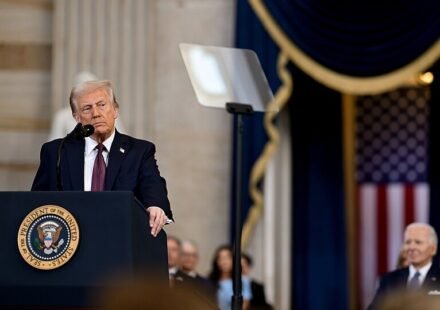
Trump to Visit Manila in November for ASEAN Summit as US Seeks Stronger Asian Ties
US President Donald Trump will visit Manila in November to attend the Association of Southeast Asian Nations (ASEAN) summit, the office of Philippine President Ferdinand Marcos Jr. announced on Wednesday, October 14. The visit is expected to place Washington’s engagement with Southeast Asia in focus amid continuing economic and strategic competition in the region.
The Philippine presidential office confirmed Trump’s participation, while officials said further details of his itinerary would be announced separately. The ASEAN summit is scheduled to take place in the Manila area from November 16 to 18.
Why Is Trump’s Visit Important?
ASEAN brings together 11 Southeast Asian countries and serves as a major forum for regional cooperation, economic integration and diplomatic dialogue.
The United States maintains extensive trade, investment and security relationships across Southeast Asia. Trump’s attendance will provide an opportunity for discussions with regional leaders on economic cooperation, maritime security and wider geopolitical developments.
The visit also comes as Southeast Asian governments seek to balance their economic relationships with both Washington and Beijing.
Trade and Economic Cooperation in Focus
Trade is likely to be an important subject during discussions surrounding the summit. The United States has been negotiating trade arrangements with several Southeast Asian economies, including Thailand.
Thailand’s prime minister said earlier this month that negotiations on a trade agreement with Washington were approaching completion. He expressed hope that the agreement could be signed during Trump’s upcoming Asia trip, although a final deal had not been announced in the reporting available on October 14.
Trump’s participation could provide an opportunity for leaders to discuss tariffs, market access, supply chains and investment. However, no specific bilateral agreement with the Philippines or other ASEAN members has been confirmed as part of his visit.
Regional Security and US-China Competition
Security in the Indo-Pacific is another significant issue for ASEAN members and their international partners. Maritime disputes, freedom of navigation and regional stability remain important concerns, particularly as the United States and China compete for influence.
Trump’s presence at the summit may allow regional leaders to discuss these issues directly with the US president. The precise agenda for his meetings has not yet been fully disclosed.
ASEAN countries have different economic and security priorities, meaning that discussions are likely to involve a range of perspectives rather than a single common position.
What Happens Next?
The Philippine government has confirmed Trump’s attendance, but details of his schedule and planned bilateral meetings remain subject to further announcements.
The summit will be watched for signs of progress on trade, investment and regional security. Any agreements or policy commitments will need to be confirmed by the participating governments.
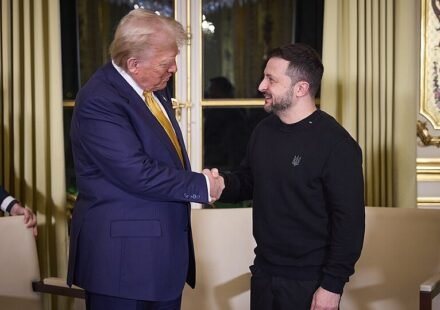
Trump Says Energy Ceasefire Is Effective Immediately
US President Donald Trump has announced an immediate energy ceasefire between Russia and Ukraine, saying both sides have agreed to stop attacks on energy infrastructure. The announcement, however, surprised Ukrainian President Volodymyr Zelenskyy, who said he was waiting for details and stressed that Russia must also honour the proposed truce.
Trump made the announcement on his Truth Social platform on Sunday, October 11, without explaining the agreement’s terms or describing how compliance would be monitored.
“Both parties have agreed,” Trump said in his post, urging Russia and Ukraine not to violate the ceasefire.
Neither Moscow nor Kyiv had publicly confirmed a mutually agreed arrangement at the time of the initial announcement. Zelenskyy subsequently said Ukraine supported the ceasefire but was awaiting further information from the US side.
Zelenskyy Says Russia Must Stop Its Attacks
Zelenskyy’s response highlighted uncertainty over whether the announcement had translated into an operational agreement. He said Ukraine was prepared to support a halt to attacks on energy facilities, provided Russia also stopped targeting Ukrainian infrastructure.
The Ukrainian president discussed the announcement with NATO Secretary-General Mark Rutte, Canadian Prime Minister Mark Carney and Finnish President Alexander Stubb, according to reports.
In his nightly address, Zelenskyy said Russian attacks were continuing after Trump’s announcement. Ukrainian officials reported strikes affecting energy infrastructure, including a heating and power facility in the Kharkiv region.
The reports raised questions about whether the proposed ceasefire was being observed and whether both governments had agreed on its scope.
An energy ceasefire would be narrower than a comprehensive truce. It would focus on attacks against facilities such as power plants, electricity networks, oil refineries and other infrastructure essential to civilian life and energy supplies. It would not necessarily end fighting elsewhere along the front line.
Trump’s Pressure on Kyiv and Moscow
The announcement came after days of tension between Trump and Zelenskyy over Ukraine’s attacks on Russian oil refineries.
Trump had urged Kyiv to stop targeting Russian refineries, linking the issue to rising fuel prices. His administration has faced domestic pressure over energy costs ahead of the US midterm elections scheduled for November.
Zelenskyy, meanwhile, has maintained that Ukraine should not be expected to stop its attacks unilaterally while Russian forces continue striking Ukrainian energy facilities. Kyiv has argued that any arrangement must apply to both sides.
The disagreement has added another layer of strain to relations between Washington and Kyiv as diplomatic efforts to end the war continue.
Russia’s Response Remains Crucial
Moscow’s position is central to whether the announced ceasefire can take effect in practice. Without a clear confirmation from Russia and an agreed mechanism for monitoring attacks, it remains uncertain how the arrangement would be implemented.
The episode also follows an earlier Trump announcement in September about an energy ceasefire that was not confirmed by both sides. Continued attacks after the latest declaration have therefore intensified doubts about whether the new initiative will produce a lasting pause.
For Ukraine, protecting energy infrastructure is particularly important as the country continues to face Russian strikes during the war. For international energy markets, any reduction in attacks on oil and power facilities could ease some supply concerns, although the effect would depend on the scale and duration of the truce.
For now, the key test is whether Russia and Ukraine can establish clear, reciprocal commitments and stop attacks on the energy facilities covered by the proposed arrangement. Until both sides confirm the terms and demonstrate compliance, the announcement should not be treated as proof that a functioning ceasefire is in place.
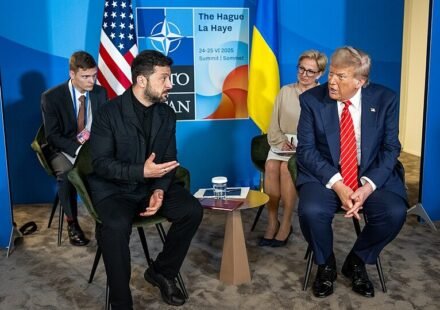
Trump Turns Up Heat on Zelenskyy: ‘Get a New President’ Remark Sparks Fresh Ukraine Row
US President Donald Trump has called for Ukraine to elect a new president, escalating tensions with Ukrainian President Volodymyr Zelenskyy after he criticised Washington’s decision to allow Russian diesel supplies amid the ongoing war.
Speaking to reporters at the White House on October 10, Trump argued that Ukraine needed a leader willing to reach an agreement to end the conflict with Russia. His remarks came a day after he announced a diesel supply arrangement with Russian President Vladimir Putin, a move that drew strong criticism from Kyiv and several European officials.
“I suggest they get a new leader who can make a deal,” Trump said, adding that he believed it was time for Ukraine to have a new president.
The comments marked another public dispute between Washington and Kyiv over how to end Russia’s full-scale invasion of Ukraine, which began in February 2022.
Zelenskyy Calls Russian Diesel Deal a Weak Decision
Zelenskyy strongly criticised the agreement, arguing that easing restrictions on Russian fuel exports could provide Moscow with additional revenue to sustain its military campaign.
The Ukrainian president described the decision as a weak move by Washington and warned that allowing Russia to sell petroleum products would help finance a war that should be brought to an end.
Zelenskyy also expressed frustration that the agreement was announced while Ukrainian officials were holding discussions with US representatives about possible ways to end the conflict.
Kyiv has consistently urged Washington and its allies to increase pressure on Moscow rather than relax restrictions on Russian energy exports.
The dispute has raised questions about coordination between the United States and Ukraine at a time when diplomatic efforts to end the war remain uncertain.
Trump Defends Deal to Ease Diesel Supply Restrictions
Trump has defended the agreement as a way to increase fuel supplies and address high energy costs affecting American consumers and businesses.
He announced that Russia would immediately provide more than 300,000 tonnes of diesel, followed by additional shipments. The White House presented the move as part of an effort to improve fuel availability as prices remain a concern ahead of the US midterm elections.
The US Treasury Department also issued a temporary licence easing sanctions on certain Russian diesel shipments. The precise commercial arrangements, payment terms and longer-term implications of the agreement were not fully clear in initial reports.
The decision represents a significant policy shift from the sanctions pressure Washington has applied to Russia over its invasion of Ukraine.
Critics argue that allowing additional Russian energy exports could undermine those efforts and provide Moscow with financial benefits. Supporters of the arrangement point to the need to address energy supply and domestic price pressures.
Trump Blames Ukraine’s Attacks on Russian Energy Infrastructure
Trump has also criticised Ukrainian attacks on Russian oil refineries and other energy infrastructure, arguing that they contribute to fuel-price pressures.
He said Zelenskyy should stop targeting Russian refineries, warning that the attacks could create further problems for global energy markets.
Ukraine has defended its strikes as part of its campaign against Russian military and energy infrastructure supporting the invasion. Kyiv has also accused Moscow of repeatedly attacking Ukrainian cities and critical infrastructure.
The two sides remain far apart over the conditions required for a ceasefire or broader peace agreement.
Ukrainian Officials Defend Zelenskyy
Ukraine’s Foreign Minister Andrii Sybiha defended Zelenskyy following Trump’s comments, saying the Ukrainian people had the right to decide who leads their country.
His response underlined Kyiv’s position that Ukraine’s political future should be determined domestically rather than through pressure from foreign governments.
The public exchange also highlights the delicate relationship between the two countries as US officials continue to explore diplomatic options for ending the war.
Peace Efforts Face Fresh Uncertainty
The dispute emerged as Ukrainian, European and US representatives continued discussions about a possible framework for ending the conflict. The diesel agreement has complicated those efforts by creating new disagreements over sanctions, Russian energy revenue and the strategy for securing peace.
Russia has maintained its military campaign while insisting that any settlement must address its demands. Ukraine, meanwhile, has called for security guarantees and measures to prevent further Russian attacks.
It remains uncertain whether the latest diplomatic discussions will produce a breakthrough. Trump’s call for new Ukrainian leadership adds another layer of political tension to negotiations already complicated by competing demands.
For Ukraine, the immediate challenge remains defending its territory while seeking international support. For Washington, the disagreement raises questions about how to balance energy costs, relations with Moscow and commitments to Kyiv.
Trump Announces Russian Diesel Deal; Zelensky Warns It Could Prolong Ukraine War
US President Donald Trump has announced an agreement for Russia to supply diesel to the United States and global markets, drawing sharp criticism from Ukrainian President Volodymyr Zelensky, who warned that easing pressure on Moscow could help prolong the war in Ukraine.
Trump announced the arrangement on October 9 following a telephone conversation with Russian President Vladimir Putin. He said the Russian side would begin supplying more than 300,000 tons of diesel immediately, followed by additional shipments in the coming weeks and months.
The announcement comes as Washington faces pressure to address high fuel prices and continues diplomatic efforts aimed at ending Russia’s war against Ukraine.
Trump Says Lower Fuel Prices Are a Priority
Trump said the planned supplies would help increase the availability of diesel in the American and international markets. He highlighted lower prices for American consumers, farmers, ranchers and truckers as a major priority.
According to the Associated Press, Trump outlined an initial shipment of more than 300,000 tons, followed by another 500,000 tons in November and further deliveries thereafter. He also referred to an additional three million tons within a short period.
However, details about the payment arrangements, the precise delivery schedule and the overall implementation of the agreement were not immediately clear.
The announcement follows a period of elevated energy prices and disruption in global fuel markets. Additional supplies could help improve availability, although the actual effect on prices will depend on delivery volumes, refining capacity, transportation costs and broader market conditions.
Zelensky Criticises the Decision
Zelensky strongly criticised the arrangement, describing it as a gift to Putin and arguing that allowing Russia to sell petroleum products could provide Moscow with additional revenue while its war against Ukraine continues.
In a statement shared on social media, the Ukrainian president said easing sanctions without a clear and lasting de-escalation agreement was a sign of weakness. He argued that the move could enable Russia to continue its military campaign rather than encourage a meaningful reduction in hostilities.
Zelensky also questioned the timing of the announcement, which came as Ukrainian, American and European representatives were holding discussions in Miami about possible steps towards ending the conflict.
The Ukrainian government has repeatedly called for stronger pressure on Moscow and continued international support for Kyiv. Its position is that economic concessions should be linked to concrete steps towards reducing the fighting.
A Shift in US Pressure on Moscow
The diesel announcement raises questions about the direction of US policy towards Russia. Washington has imposed extensive restrictions on Russian energy-related trade since Moscow launched its full-scale invasion of Ukraine in February 2022, seeking to limit revenues that help finance the war.
The new arrangement appears to mark a shift in that approach. The Associated Press reported that the US Treasury issued a temporary licence easing restrictions on Russian diesel sales.
The move also comes after Trump signed additional Russia-related sanctions legislation in September, according to the AP report. The relationship between those measures and the new fuel arrangement could become an important issue as the administration explains how the policy will operate.
The agreement does not, by itself, establish that broader sanctions have been permanently removed. The scope and duration of any exemptions, along with the conditions attached to them, remain important details to watch.
Diesel Prices and the Global Energy Market
Diesel is a critical fuel for freight transport, agriculture, construction and industrial activity. Changes in its supply can affect the cost of moving goods and operating heavy machinery, making fuel prices an important economic issue.
Additional Russian supplies could contribute to market availability if shipments are delivered as announced. However, it is too early to conclude that the agreement will substantially reduce prices for American consumers or have a major effect on the wider global market.
Prices are influenced by several factors, including crude oil costs, refinery operations, transport infrastructure, geopolitical tensions and demand. The volume of fuel that actually reaches buyers—and when it arrives—will therefore be crucial in determining the deal’s impact.
Diplomacy Continues Amid Disagreements
The diesel announcement coincided with diplomatic discussions involving US and Ukrainian representatives, alongside European participants, in Miami. The talks focused on developing proposals intended to move negotiations towards a possible end to the war.
The disagreement over Russian fuel highlights the different priorities facing Washington and Kyiv. The Trump administration has emphasised fuel availability and prices, while Ukraine has warned that easing restrictions without reciprocal steps from Russia could weaken efforts to end the conflict.
Putin has said Russia is prepared to supply oil and petroleum products to American and global markets. However, the announcement has not resolved the wider disagreements over the war, sanctions or the conditions required for a lasting settlement.
For now, attention will focus on whether the proposed diesel shipments proceed, how US sanctions exemptions are applied and whether the energy arrangement has any connection to progress in peace negotiations.
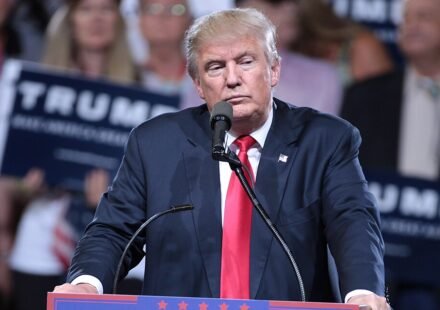
Trump Rules Out New US Strike on Iran Before November Vote as Talks Continue
US President Donald Trump has said Washington will not launch a new attack on Iran before the United States holds its midterm congressional elections on November 3, adding that discussions between the two countries are currently making progress.
Trump made the announcement on Thursday in a post on his social media platform, saying the United States was engaged in “productive discussions” with Iran. He also reiterated that Iran would not be allowed to acquire a nuclear weapon.
Trump sets November 3 as a pause point
The president's statement represents a clear public commitment to avoid launching new military strikes against Iran before the midterm vote.
Trump said the United States would not attack Iran at any time before the November 3 elections. His comments came after reports that US officials had been examining possible military options as tensions with Tehran continued.
The announcement does not necessarily mean the broader confrontation has ended. The United States continues to maintain military forces in the region, while Washington's blockade of Iranian oil shipments remains in place.
US-Iran talks remain uncertain
Trump's announcement came amid renewed diplomatic activity between Washington and Tehran.
The two sides have exchanged proposals aimed at reducing tensions and addressing the situation around the Strait of Hormuz, one of the world's most important energy-shipping routes. Iran has indicated that it is reviewing a US response to an earlier proposal, with a formal reply expected in the coming days.
However, major disagreements remain. Iran has continued to reject demands that it give up its uranium stockpile or abandon enrichment, while the Trump administration has insisted that Tehran must make significant changes to its nuclear programme.
Why the midterm elections matter
The Iran conflict has become an important domestic political issue because the war has contributed to higher energy prices and increased economic pressure on US households. Reuters reported that the conflict has also weighed on Trump's domestic approval and created challenges for Republican candidates seeking to protect their congressional majorities.
Oil markets reacted to Trump's statement as investors assessed the possibility of a near-term US attack. Brent crude had earlier risen sharply amid concerns about military escalation and disruptions to energy supplies before retreating from its session highs following Trump's comments.
Military pressure remains
Despite Trump's pledge to avoid a new attack before the election, the US military presence in the Middle East remains significant.
Reports indicate that additional naval forces are being prepared for deployment to the region, giving Washington the ability to respond if the situation deteriorates. The continued military presence means that the possibility of renewed fighting after the election cannot be ruled out.
For now, however, Trump's latest statement puts diplomacy ahead of another major US military operation before November 3.
The immediate focus will be on whether Washington and Tehran can turn their ongoing discussions into a broader arrangement covering the conflict, Iran's nuclear programme and the Strait of Hormuz.