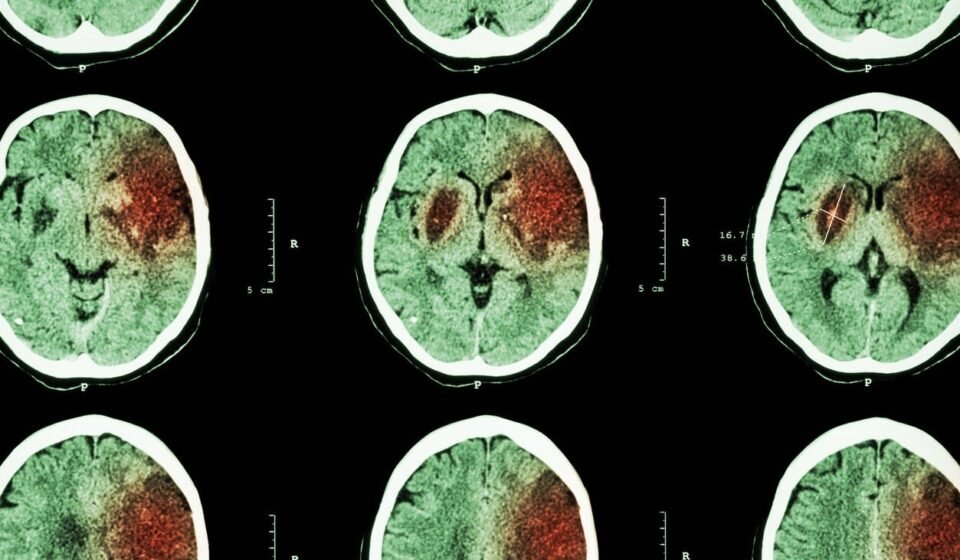

A reported 28% increase in stroke cases in Ahmedabad over four years has renewed concerns about a major health risk that often goes unnoticed until serious complications develop: high blood pressure.
Medical experts have identified undetected hypertension as an important factor behind the reported rise, highlighting the need for regular blood pressure checks, timely treatment and greater public awareness of stroke symptoms.
The warning, reported around World Stroke Day on October 29, comes as doctors continue to stress that stroke is not exclusively a condition affecting older people. Younger adults can also experience strokes, particularly when underlying risk factors such as hypertension, diabetes and unhealthy lifestyle habits remain unmanaged.
The reported 28% increase is a concerning signal, although the available report does not provide a detailed breakdown of the patient numbers, data collection methods or the types of stroke included. The figure should therefore be understood in the context of the reported local trend rather than as a complete measure of stroke prevalence across Ahmedabad’s entire population.
Why Undetected High Blood Pressure Is a Serious Risk
Hypertension, commonly known as high blood pressure, occurs when the force of blood against artery walls remains consistently elevated. The condition can damage blood vessels over time and increase the risk of several serious health problems, including heart disease, kidney disease and stroke.
One of its biggest dangers is that it often produces no obvious symptoms. A person may feel healthy, continue working and carry on with daily activities while their blood pressure remains dangerously high.
Without regular screening, hypertension can go undiagnosed for years. Some people discover the problem only after a medical emergency or during a routine health check.
High blood pressure can increase stroke risk by damaging blood vessels supplying the brain. It can contribute to conditions in which a blood vessel becomes blocked, cutting off blood supply to part of the brain. It can also increase the risk of a blood vessel rupturing and causing bleeding in or around the brain.
This makes early detection particularly important. Checking blood pressure is a relatively simple step, but it can identify a risk that may otherwise remain hidden.
Doctors also caution that hypertension is not the only factor behind stroke. Diabetes, smoking, high cholesterol, obesity, physical inactivity, certain heart conditions and other medical factors can also contribute to risk.
Stroke Can Affect Younger Adults Too
Stroke is often associated with older age, but younger people are not immune. Medical reporting from Ahmedabad has previously highlighted concern about stroke among adults below 40 and 50 years of age.
The reasons can vary from person to person. Some patients may have previously undiagnosed hypertension or diabetes, while others may have heart-related conditions, inherited risk factors or other medical problems.
Stroke is a medical emergency. When blood flow to part of the brain is interrupted, brain cells can begin to suffer damage rapidly. The chances of recovery often depend on the type of stroke, its severity and how quickly appropriate treatment begins.
A useful way to recognise common warning signs is the FAST approach:
• F — Face: One side of the face may droop, particularly when the person tries to smile.
• A — Arms: One arm may become weak or drift downward when both arms are raised.
• S — Speech: Speech may suddenly become slurred, confused or difficult to understand.
• T — Time: Seek emergency medical help immediately if any of these signs appear.
Other possible symptoms include sudden vision problems, loss of balance, difficulty walking, confusion or a severe headache that begins abruptly.
Symptoms may occur suddenly and can sometimes improve after a short period. Even if they disappear, urgent medical assessment is necessary because temporary symptoms may indicate a serious risk.
People should not wait to see whether the symptoms go away or attempt to manage a suspected stroke at home. They should contact emergency medical services and note the time the symptoms began, if known. Rapid assessment helps clinicians determine the appropriate treatment.
What Ahmedabad Residents Can Do to Reduce Their Risk
The reported increase underlines the importance of prevention alongside emergency treatment. Regular health checks can help identify hypertension, diabetes and other conditions before they lead to serious complications.
Residents can take several practical steps:
Check blood pressure regularly. Do not rely on symptoms to determine whether blood pressure is normal. Follow a healthcare professional’s advice about how often to check it, particularly if previous readings have been high.
Follow prescribed treatment. People diagnosed with hypertension should take medication as directed and attend follow-up appointments. They should not stop or change prescribed medicines without consulting a qualified healthcare professional.
Maintain a balanced diet. A diet rich in vegetables, fruit, whole grains and other nutritious foods, with reduced excess salt, can support blood pressure control.
Stay physically active. Regular physical activity appropriate to a person’s health and ability can improve cardiovascular health. Anyone with existing medical conditions should seek advice about a suitable exercise routine.
Avoid tobacco. Smoking and other tobacco use increase cardiovascular risk. Stopping tobacco use can improve overall health.
Manage related conditions. Diabetes, high cholesterol, excess weight and certain heart conditions require appropriate assessment and treatment.
These measures cannot eliminate every stroke risk, but they can help reduce preventable risks and support long-term health.
Why Screening and Public Awareness Matter
Ahmedabad’s reported trend points to a broader public-health challenge: identifying people who have hypertension before it leads to serious complications.
Screening programmes, accessible primary healthcare and better public awareness can help people understand their blood pressure readings and seek treatment when necessary. Workplace health checks and community-level screening may also help reach people who rarely visit a doctor unless they become unwell.
However, screening alone is not enough. People who receive a diagnosis need access to medical advice, prescribed medicines and follow-up care. Healthcare professionals must also help patients understand that hypertension management is generally a long-term process rather than a one-time intervention.
For families, knowing the warning signs of stroke is equally important. A person experiencing sudden weakness or difficulty speaking may be unable to explain what is happening. Recognising the symptoms and seeking emergency care promptly can make a critical difference.
What the Reported Increase Could Mean for the City
Analysis: If the reported increase reflects a sustained rise in the number of stroke patients requiring treatment, Ahmedabad could face additional pressure on emergency departments, neurological services and rehabilitation facilities.
Stroke can have consequences that extend well beyond the initial hospital admission. Depending on the severity, survivors may need physiotherapy, speech therapy, occupational therapy and long-term assistance with daily activities. These needs can place financial and emotional pressure on patients and their families.
A stronger emphasis on blood pressure screening, treatment adherence and rapid stroke recognition could help address some preventable risks. However, the size of the potential benefit would depend on how effectively these measures are implemented and which factors are contributing to the reported increase.
The available reporting does not establish the precise causes of the 28% rise or quantify how many cases could have been prevented through better hypertension management. Those questions require more detailed local data.
For residents, the immediate lesson is practical: do not wait for symptoms to check your blood pressure, and do not delay emergency care if stroke warning signs appear.
Ahmedabad’s reported increase is a reminder that a condition that often goes unnoticed can have life-changing consequences. Early detection, consistent treatment and timely medical attention remain essential tools for reducing the risks associated with stroke.